
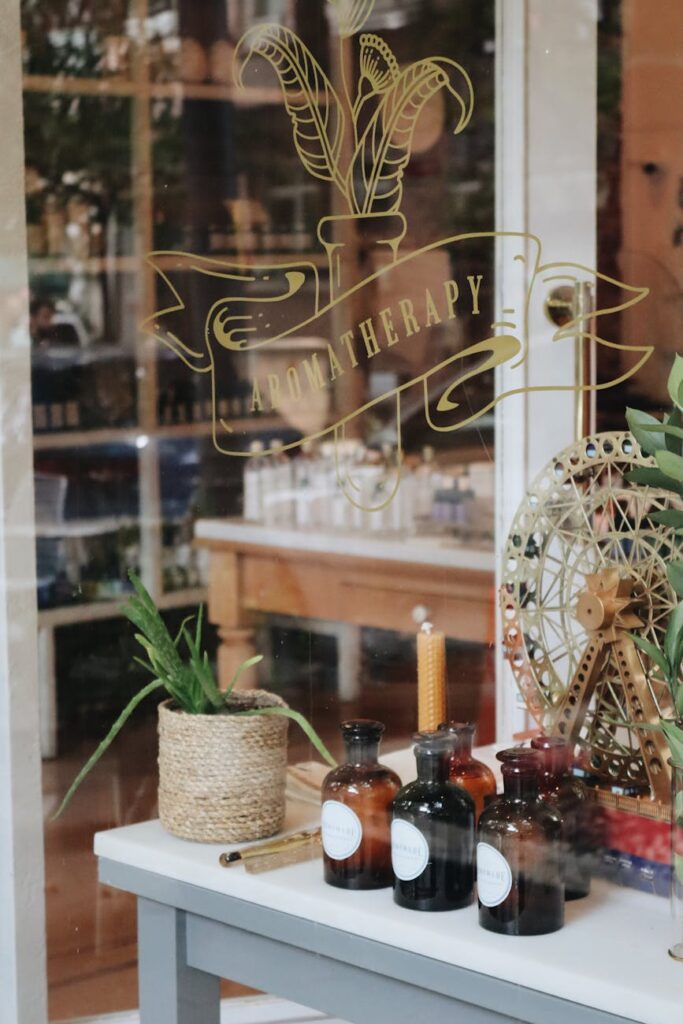
Health Benefits of Aromatherapy for Emotional Release Blends
Introduction
Aromatherapy is a holistic practice that utilizes the natural fragrances of essential oils to enhance physical and emotional well-being. Among its many applications, one of the most profound is the use of essential oils for emotional release. Emotional release blends are specifically formulated to help alleviate feelings of stress, anxiety, sadness, and other emotional imbalances. This article delves into the intricacies of aromatherapy for emotional release, exploring its benefits, common uses, and safety considerations.
What Is Aromatherapy for Emotional Release Blends?
Aromatherapy for emotional release blends involves the use of specific essential oils that are believed to possess properties conducive to emotional healing and balance. These blends may include a combination of oils known for their calming, uplifting, or grounding effects. The practice is rooted in the understanding that scent has a significant influence on mood and psychological states.
Essential oils such as lavender, chamomile, bergamot, and frankincense are frequently included in these blends, as they are known for their ability to evoke a sense of calm, promote relaxation, and facilitate emotional release. The therapeutic properties of these oils are often enhanced when combined, creating synergistic effects that can amplify their individual benefits.
Key Benefits and Properties
The benefits of using aromatherapy for emotional release blends are both varied and significant. Some of the most notable advantages include:
1. Stress Reduction
Many essential oils are recognized for their ability to reduce stress levels. Oils like lavender and chamomile are often used in blends designed to create a calming atmosphere. These oils can help lower cortisol levels, the hormone associated with stress.
2. Enhanced Mood
Certain essential oils, such as citrus oils like bergamot and sweet orange, are known to uplift mood and instill a sense of happiness. These oils can help combat feelings of sadness or despair, promoting a more positive emotional state.
3. Emotional Balance
Essential oils can assist in achieving emotional equilibrium. Oils like sandalwood and ylang-ylang are often included in blends aimed at balancing emotions, helping individuals navigate feelings of anger, frustration, or sadness.
4. Improved Sleep Quality
Many emotional release blends contain sedative oils that can promote better sleep. Oils like lavender and vetiver are known for their calming properties, which can help ease the mind and prepare the body for a restful night’s sleep.
5. Facilitation of Self-Reflection
Aromatherapy can create a conducive environment for introspection and self-reflection. Certain oils, such as frankincense and myrrh, are traditionally used in meditative practices and can help individuals connect with their inner thoughts and feelings.
Common Uses
Aromatherapy for emotional release blends can be utilized in a variety of ways, depending on individual preferences and circumstances. Some common applications include:
1. Diffusion
Using an essential oil diffuser is one of the most popular methods for dispersing the aromatic compounds into the air. This method allows the fragrance to fill a room, creating a calming environment that can help alleviate stress and promote emotional release.
2. Inhalation
Direct inhalation of essential oils is another effective method. Individuals can place a few drops of an emotional release blend on a cotton ball or in the palms of their hands, then cup their hands over their nose and inhale deeply.
3. Topical Application
Essential oils can be diluted in a carrier oil and applied to the skin. Common applications include pulse points, such as the wrists and temples, or areas of tension, like the neck and shoulders. This method allows for both the inhalation of the aroma and the absorption of the oils into the skin.
4. Bathing
Adding essential oils to a warm bath can create a soothing experience. The combination of warm water and aromatic oils can facilitate relaxation and emotional release, making it an ideal practice for self-care.
5. Meditation and Yoga
Incorporating aromatherapy into meditation or yoga practices can enhance the overall experience. Specific emotional release blends can help create a serene atmosphere, promoting deeper relaxation and emotional insights.
Aromatherapy Applications
The application of aromatherapy for emotional release blends can be tailored to suit individual needs. Here are a few specific blends and their intended effects:
1. Calming Blend
- Ingredients: Lavender, chamomile, and sandalwood
- Purpose: To alleviate anxiety and promote relaxation
- Ingredients: Bergamot, sweet orange, and rosemary
- Purpose: To enhance mood and combat feelings of sadness
- Ingredients: Frankincense, cedarwood, and vetiver
- Purpose: To encourage emotional balance and grounding
- Ingredients: Lavender, marjoram, and ylang-ylang
- Purpose: To facilitate restful sleep and ease tension
2. Uplifting Blend
3. Grounding Blend
4. Sleep Support Blend
Safety Considerations
While aromatherapy is generally considered safe, there are several important safety considerations to keep in mind:
1. Skin Sensitivity
Some essential oils can cause skin irritation or allergic reactions. It is advisable to conduct a patch test by applying a diluted mixture to a small area of the skin before full application.
2. Dilution
Essential oils should be diluted in a carrier oil (such as almond, jojoba, or coconut oil) before topical application. A common dilution ratio is 2-3 drops of essential oil per teaspoon of carrier oil.
3. Pregnancy and Nursing
Certain essential oils may not be suitable for pregnant or nursing individuals. It is best to consult with a healthcare professional before using essential oils during these times.
4. Medical Conditions
Individuals with specific medical conditions, such as asthma or epilepsy, should exercise caution. It is advisable to consult with a healthcare professional if there are any concerns regarding the use of essential oils.
5. Quality of Oils
Choosing high-quality, pure essential oils is crucial. Synthetic or adulterated oils may not provide the desired therapeutic benefits and could even pose health risks.
Storage and Shelf Life
Proper storage of essential oils is essential for maintaining their potency and effectiveness. Here are some guidelines:
1. Storage Conditions
Essential oils should be stored in a cool, dark place, away from direct sunlight and heat sources. A cabinet or a dark glass container is ideal.
2. Container Type
Dark glass containers (amber or cobalt blue) are preferred for storage, as they help protect the oils from light degradation. Avoid plastic containers, which can leach chemicals into the oils.
3. Shelf Life
The shelf life of essential oils varies depending on the type of oil. Most oils can last anywhere from 1 to 5 years if stored properly, while citrus oils may have a shorter shelf life. It is advisable to check for signs of degradation, such as changes in color, odor, or viscosity before use.
Frequently Asked Questions
1. Can aromatherapy help with emotional release?
Yes, aromatherapy can be a helpful tool for emotional release. The therapeutic properties of essential oils can promote relaxation, uplift mood, and assist in achieving emotional balance.
2. How often should I use emotional release blends?
The frequency of use can vary based on individual needs. Some may find daily use beneficial, while others may prefer to use them during particularly stressful moments or situations.
3. Are there any essential oils to avoid?
Certain essential oils may not be suitable for everyone. It is advisable to research specific oils and consult with a healthcare professional if there are any concerns regarding their use.
4. Can I create my own emotional release blends?
Absolutely! Creating custom blends allows for personalization based on individual preferences and emotional needs. Always follow proper dilution guidelines when formulating blends.
5. Can children use aromatherapy blends?
Children can benefit from aromatherapy, but it is essential to use child-safe essential oils and to consult with a healthcare professional for appropriate dilution ratios and oil choices.
Conclusion
Aromatherapy for emotional release blends offers a unique and effective approach to emotional healing and well-being. By harnessing the power of essential oils, individuals can create a supportive environment for emotional balance, stress reduction, and self-reflection. While aromatherapy is a holistic practice, it is important to approach it with mindfulness and caution, ensuring the safe and effective use of essential oils. Whether used in meditation, self-care routines, or daily life, emotional release blends can serve as valuable tools in the journey towards emotional well-being.