
Health Benefits of Aromatherapy for Immune System Support Blends
Introduction
In an era where holistic health practices are gaining traction, aromatherapy has emerged as a popular complementary approach to bolster overall well-being. Among its various applications, blends specifically designed to support the immune system are of particular interest. This article delves into the principles of aromatherapy, its benefits for immune system support, and practical applications to encourage a healthier lifestyle.
What Is Aromatherapy for Immune System Support Blends?
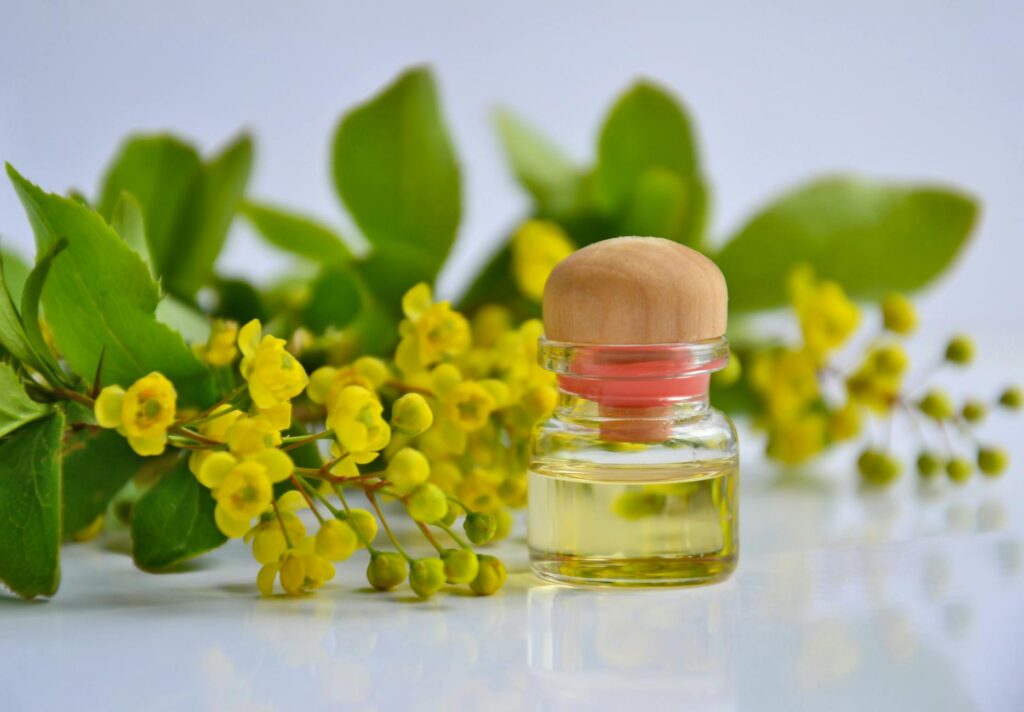
Aromatherapy is the therapeutic use of essential oils derived from plants to promote physical and emotional well-being. These oils are extracted from various parts of plants, including leaves, flowers, stems, and roots, capturing their natural scents and beneficial properties.
Immune system support blends are formulated combinations of essential oils that aim to enhance the body’s natural defenses. These blends leverage the unique properties of different oils to promote health, reduce stress, and potentially enhance immune function. Common essential oils used in these blends include eucalyptus, tea tree, lavender, and citrus oils, each known for their distinct therapeutic benefits.
Key Benefits and Properties
The benefits of aromatherapy for immune system support are multifaceted and can be categorized into several key areas:
1. Antimicrobial Properties
Essential oils such as tea tree and eucalyptus exhibit antimicrobial properties that can inhibit the growth of bacteria and viruses. This quality makes them particularly useful during cold and flu seasons.
2. Stress Reduction
Chronic stress can negatively impact immune function. Oils like lavender and bergamot are known for their calming effects on the mind and body, helping to alleviate stress and anxiety. By promoting relaxation, these oils may contribute to a more balanced immune response.
3. Respiratory Support
Certain essential oils, including peppermint and eucalyptus, can support respiratory function. When used in a blend, they may help clear the airways and facilitate easier breathing, which is beneficial during respiratory infections.
4. Anti-Inflammatory Effects
Inflammation can compromise immune function. Essential oils such as rosemary and ginger possess anti-inflammatory properties, which may aid in reducing inflammation in the body and supporting overall immune health.
5. Mood Enhancement
Aromatherapy can also uplift mood, creating an environment that fosters well-being. Citrus oils, like lemon and orange, are often used for their invigorating and uplifting effects, promoting a positive mindset conducive to overall health.
Common Uses
Aromatherapy blends for immune support can be utilized in various settings and methods, enhancing their versatility:
1. Inhalation
One of the simplest ways to experience the benefits of essential oils is through inhalation. This can be done using an essential oil diffuser, inhaler, or simply by adding a few drops of oil to a bowl of hot water and inhaling the steam.
2. Topical Application
When diluted with a carrier oil, essential oils can be applied directly to the skin. This method allows for targeted support, such as applying a blend to the chest to aid in respiratory health.
3. Bathing
Adding essential oils to bathwater can create a relaxing environment, simultaneously promoting skin absorption of the oils. This method offers both physical and emotional benefits.
4. Household Products
Essential oils can also be incorporated into cleaning products, enhancing their effectiveness while providing a pleasant aroma. Oils with antimicrobial properties can help purify the air and surfaces.
Aromatherapy Applications
1. Diffusion
Using a diffuser is one of the most popular methods to disperse essential oils into the air. This method allows for the entire room to be filled with the therapeutic scent, making it effective for both physical and emotional benefits.
2. Massage
Blending essential oils with a carrier oil for massage can provide both relaxation and targeted relief. When massaged into the skin, the oils are absorbed, delivering their properties directly to the tissues.
3. Steam Inhalation
Adding essential oils to hot water for steam inhalation can help clear sinuses and promote respiratory health. This method is particularly effective during cold and flu season.
4. Aromatic Baths
Creating an aromatic bath by mixing essential oils with Epsom salts or carrier oils can provide a soothing experience, allowing the body to absorb the oils while promoting relaxation.
Safety Considerations
While aromatherapy can be beneficial, it is essential to approach its use with caution:
1. Dilution
Essential oils are potent and should be diluted in a carrier oil before topical application to avoid skin irritation. Common carrier oils include coconut, jojoba, and sweet almond oil.
2. Patch Test
Before using a new essential oil, it is advisable to perform a patch test. Apply a small amount of diluted oil to a small area of skin and monitor for any adverse reactions.
3. Quality of Oils
Choosing high-quality, pure essential oils is crucial. Look for reputable brands that provide information on sourcing and extraction methods to ensure purity.
4. Consultation
Individuals with specific health conditions, pregnant or nursing women, and children should consult with a qualified professional before using essential oils to ensure safety and appropriateness.
Storage and Shelf Life
Proper storage of essential oils is vital to maintain their potency and effectiveness:
1. Keep Away from Light
Essential oils should be stored in dark glass bottles to protect them from light, which can degrade their quality.
2. Cool, Dry Place
Storing oils in a cool, dry location away from heat and humidity will help preserve their therapeutic properties.
3. Shelf Life
The shelf life of essential oils varies by type. Most oils have a shelf life of one to two years, while some citrus oils may have a shorter life span due to their chemical composition.
Frequently Asked Questions
1. Can aromatherapy really support the immune system?
While aromatherapy can provide various benefits, it should be viewed as a complementary approach rather than a substitute for medical treatment.
2. What are the best essential oils for immune support?
Popular choices include tea tree, eucalyptus, lavender, and citrus oils, each offering unique properties beneficial for immune health.
3. How do I use essential oils safely?
Always dilute essential oils before topical application, perform patch tests, and consult with a healthcare professional if you have specific health concerns.
4. Can I use essential oils around pets?
Some essential oils can be harmful to pets. It is essential to research specific oils and consult a veterinarian before using them around animals.
5. Is there a difference between aromatherapy and essential oils?
Aromatherapy is the practice of using essential oils for therapeutic benefits, while essential oils are the concentrated plant extracts that are used in this practice.
Conclusion
Aromatherapy for immune system support blends offers a holistic approach to enhancing health and well-being. By understanding the properties and applications of essential oils, individuals can incorporate these natural solutions into their daily routines. However, it is essential to approach aromatherapy with care, ensuring proper use and storage for optimal benefits. As the interest in natural remedies continues to grow, further research may illuminate even more advantages of integrating aromatherapy into our wellness practices.