
Health Benefits of Aromatherapy for Meditation and Mindfulness Blends
Introduction
Aromatherapy, a holistic healing practice that utilizes the therapeutic properties of essential oils, has gained popularity in recent years, especially in the realms of meditation and mindfulness. With the fast-paced nature of modern life, individuals are increasingly seeking ways to find balance, reduce stress, and cultivate a deeper connection with themselves. This article explores the benefits of aromatherapy specifically tailored for meditation and mindfulness practices, providing readers with insights into its applications, safety considerations, and storage guidelines.
What Is Aromatherapy for Meditation and Mindfulness Blends?
Aromatherapy involves the use of essential oils extracted from plants, flowers, and herbs to enhance physical and emotional well-being. When integrated into meditation and mindfulness practices, essential oils can create an environment conducive to relaxation and focus. Meditation blends typically consist of carefully selected essential oils that promote tranquility, clarity, and emotional stability, enhancing the overall meditation experience.
Essential Oils in Aromatherapy
Essential oils are concentrated plant extracts that capture the natural fragrance and beneficial properties of the source material. Commonly used in aromatherapy for meditation and mindfulness include:
- Lavender: Known for its calming effects.
- Frankincense: Often used for grounding and spiritual connections.
- Sandalwood: Known for promoting mental clarity.
- Bergamot: Helps alleviate anxiety and uplift mood.
- Ingredients: Lavender, chamomile, and frankincense
- Intended Effect: To promote relaxation and reduce anxiety
- Ingredients: Rosemary, peppermint, and lemon
- Intended Effect: To enhance concentration and clarity
- Ingredients: Bergamot, sweet orange, and ylang-ylang
- Intended Effect: To elevate mood and foster emotional balance
- Ingredients: Cedarwood, sandalwood, and vetiver
- Intended Effect: To promote grounding and spiritual connection
When combined into specific blends, these oils can work synergistically, enhancing their individual benefits and creating a powerful tool for achieving a mindful state.
Key Benefits and Properties
Aromatherapy offers numerous benefits that support meditation and mindfulness practices:
1. Stress Reduction
Many essential oils, such as lavender and chamomile, possess calming properties that can help reduce stress and anxiety levels. The scent of these oils can trigger the body’s relaxation response, making them ideal for creating a peaceful meditation environment.
2. Enhanced Focus
Certain essential oils, like rosemary and peppermint, have been shown to improve mental clarity and focus. Utilizing these oils during meditation can help practitioners maintain concentration and deepen their mindfulness practice.
3. Emotional Stability
Essential oils can evoke emotional responses and help individuals process feelings. For instance, bergamot and ylang-ylang are known to uplift mood and promote emotional balance, making them excellent choices for meditation blends.
4. Improved Sleep Quality
Incorporating calming essential oils into meditation routines can promote better sleep by reducing racing thoughts and anxiety. Oils like lavender and cedarwood are often used in evening mindfulness practices to prepare the mind and body for restful sleep.
5. Spiritual Connection
Certain essential oils, such as frankincense and sandalwood, have been used for centuries in spiritual practices. These oils are believed to help individuals connect with their inner selves and foster a deeper sense of spirituality during meditation.
Common Uses
Aromatherapy for meditation can be applied in various ways to suit individual preferences and practices. Below are some common uses:
1. Diffusion
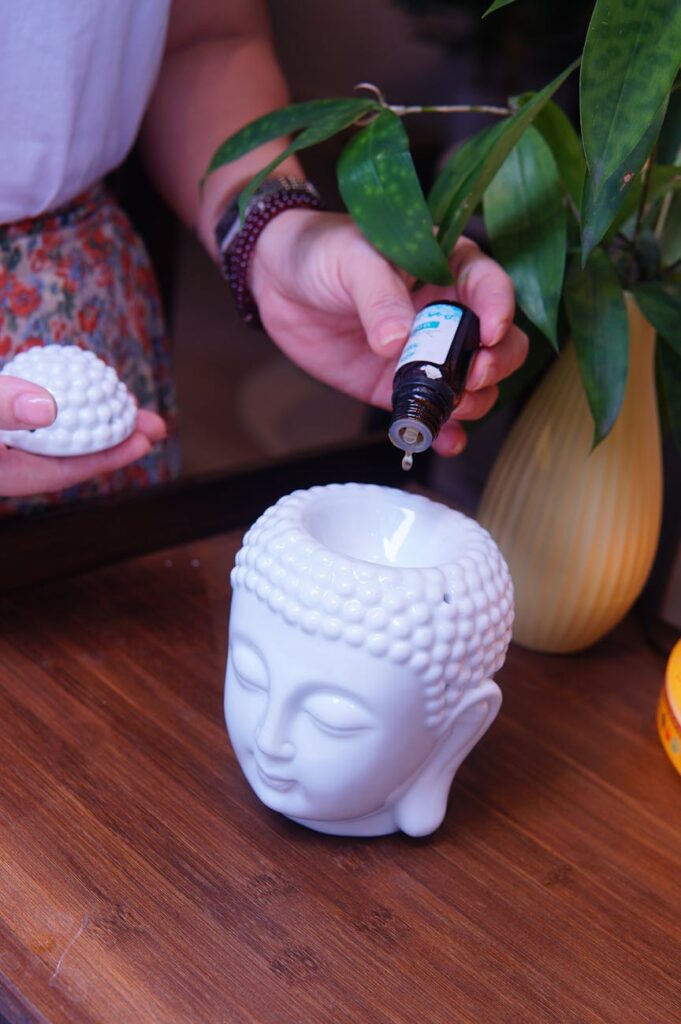
Using an essential oil diffuser is one of the most popular methods for incorporating aromatherapy into meditation. Diffusers disperse essential oils into the air, creating an aromatic environment that enhances the meditation experience.
2. Topical Application
Diluting essential oils with a carrier oil (such as coconut or jojoba oil) and applying them to pulse points can provide a direct and intimate method of experiencing their benefits. Common application sites include the wrists, temples, and neck.
3. Inhalation
Direct inhalation involves placing a few drops of essential oil on a cotton ball or in the palms and inhaling deeply. This method allows for immediate access to the oil’s therapeutic properties, making it ideal for quick stress relief or focus enhancement.
4. Bathing
Adding essential oils to a warm bath can create a soothing atmosphere for meditation or relaxation. This method not only benefits the mind but also nourishes the skin.
5. Meditation Accessories
Incorporating aromatherapy into meditation tools, such as incense, candles, or meditation cushions, can enhance the sensory experience and create a calming space.
Aromatherapy Applications
When creating meditation and mindfulness blends, it is important to consider the desired outcome and select oils accordingly. Here are some popular blends and their intended effects:
1. Calming Blend
2. Focus Blend
3. Uplifting Blend
4. Grounding Blend
Safety Considerations
While aromatherapy is generally safe, it is important to adhere to certain guidelines to ensure safety and efficacy:
1. Dilution
Essential oils are highly concentrated and should be diluted with a carrier oil before topical application. A common dilution ratio is 2-3 drops of essential oil per teaspoon of carrier oil.
2. Allergies and Sensitivities
Individuals should conduct a patch test before using a new essential oil to check for potential allergic reactions. If any irritation occurs, discontinue use immediately.
3. Pregnant or Nursing Individuals
Certain essential oils may not be safe for pregnant or nursing individuals. It is advisable to consult a qualified healthcare professional before using essential oils in these circumstances.
4. Children and Pets
Extra caution should be exercised when using essential oils around children and pets. Some oils may be toxic or irritating to them.
Storage and Shelf Life
Proper storage of essential oils is crucial to preserving their potency and effectiveness. Here are some tips:
1. Store in Dark Glass Containers
Essential oils should be kept in dark glass bottles to protect them from light, which can degrade their quality over time.
2. Keep in a Cool, Dry Place
Avoid storing essential oils in areas with fluctuating temperatures or high humidity. A cool, dry cupboard is ideal.
3. Shelf Life
Most essential oils have a shelf life of 1 to 3 years, depending on the type. Citrus oils tend to have a shorter shelf life, while oils like sandalwood and patchouli can last much longer.
Frequently Asked Questions
1. Can I use essential oils for meditation if I have no prior experience with aromatherapy?
Absolutely! Aromatherapy is accessible to everyone, regardless of experience level. Start with a few oils that resonate with you and experiment with different blends.
2. How do I choose the right essential oils for my meditation practice?
Consider your intentions for meditation. If you seek relaxation, opt for calming oils like lavender. For focus, try oils such as rosemary or peppermint. Trust your instincts and choose scents that appeal to you.
3. Is it safe to use essential oils in a diffuser while meditating?
Yes, using a diffuser can enhance your meditation experience by creating a calming atmosphere. Ensure you follow the manufacturer’s instructions and use oils that are safe for diffusion.
4. How often can I use essential oils for meditation?
You can use essential oils as often as you like. However, it is wise to listen to your body and take breaks if you experience any discomfort.
5. Can I mix different essential oils together for my meditation blends?
Yes, blending different essential oils can create unique and personalized experiences. Experiment with combinations that resonate with your intentions and preferences.
Conclusion
Aromatherapy is a valuable tool for enhancing meditation and mindfulness practices. With its ability to reduce stress, improve focus, and promote emotional stability, essential oils can create a supportive environment for self-discovery and inner peace. By understanding the benefits, common uses, and safety considerations associated with aromatherapy, individuals can cultivate a more enriching and fulfilling meditation experience. Whether you are a seasoned practitioner or a newcomer to the world of mindfulness, the integration of aromatherapy can provide an added layer of depth to your practice.