
Health Benefits of Aromatherapy for Meditation Enhancement Blends
Introduction
Aromatherapy is a holistic practice that utilizes the fragrant properties of essential oils to promote physical, emotional, and spiritual well-being. In recent years, it has gained recognition for its role in enhancing meditation practices. By integrating specific essential oils into meditation routines, practitioners can foster deeper relaxation, focus, and emotional clarity. This article delves into the concept of aromatherapy blends designed specifically for meditation enhancement, exploring their benefits, common applications, and essential safety considerations.
What Is Aromatherapy for Meditation Enhancement Blends?
Aromatherapy for meditation enhancement blends involves the use of carefully selected essential oils to create a calming and centering environment during meditation. These blends are typically crafted to evoke specific emotional responses or to promote mental clarity. Essential oils are extracted from various parts of plants, including flowers, leaves, bark, and roots, and are known for their distinct aromatic properties.
When combined with meditation practices, these essential oils can enhance the overall experience, encouraging deeper relaxation and mindfulness. Popular essential oils for meditation include lavender, frankincense, sandalwood, and bergamot, each offering unique properties that can aid in achieving a meditative state.
Key Benefits and Properties
The benefits of using aromatherapy blends for meditation enhancement can be grouped into several key categories:
1. Stress Reduction
Many essential oils possess calming properties that can help reduce stress and anxiety. For instance, lavender oil is widely recognized for its soothing effects, promoting relaxation and tranquility. This can be particularly beneficial during meditation, allowing practitioners to let go of distractions and focus on the present moment.
2. Enhanced Focus and Concentration
Certain essential oils, such as rosemary and peppermint, are known to stimulate mental clarity and boost concentration. When used in meditation, these oils can help practitioners maintain focus on their breath or meditation object, deepening their practice.
3. Emotional Balance
Aromatherapy blends can evoke specific emotional responses, helping to balance mood and promote emotional well-being. Oils like bergamot and ylang-ylang can uplift spirits and alleviate feelings of sadness, making them excellent choices for meditation focused on emotional healing.
4. Spiritual Connection
Many practitioners believe that certain essential oils can enhance spiritual experiences during meditation. Frankincense, often used in religious and spiritual practices, is thought to connect the mind and spirit, fostering a deeper sense of inner peace and connection to a higher self.
5. Improved Sleep Quality
For those who meditate as part of their nighttime routine, essential oils like chamomile and cedarwood can promote restful sleep. Incorporating these oils into evening meditation can help ease the transition into a restful night.
Common Uses
Aromatherapy blends for meditation enhancement can be used in various ways, including:
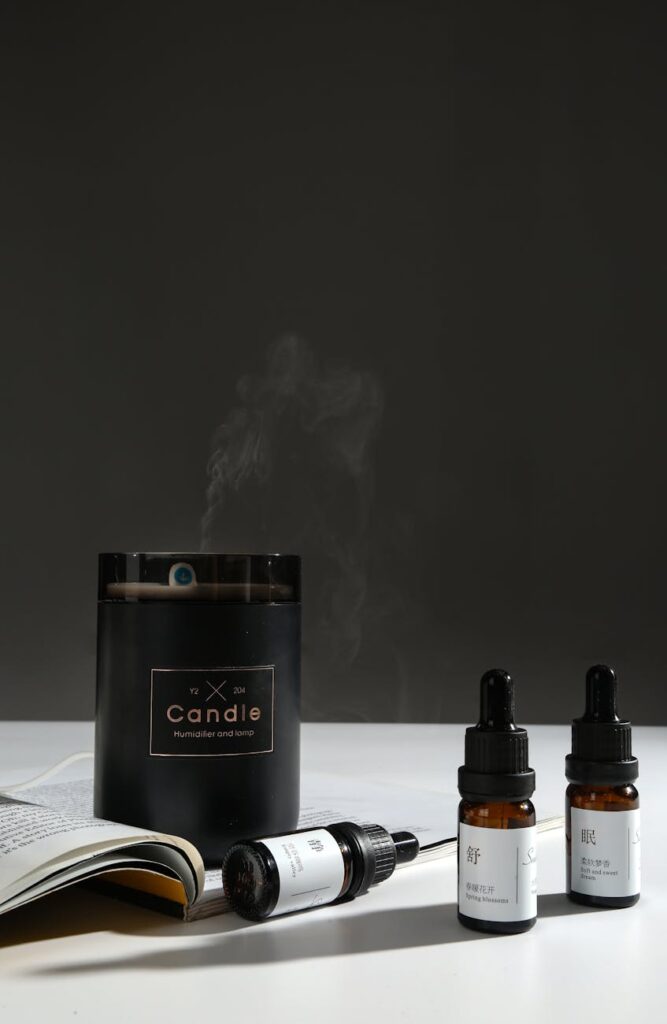
- Diffusion: Using an essential oil diffuser allows the oils to disperse into the air, creating an aromatic environment that enhances the meditation experience.
- Topical Application: Diluting essential oils with a carrier oil and applying them to pulse points or the skin can create a personal aromatic experience during meditation.
- Inhalation: Directly inhaling essential oils from the bottle or a cotton ball can provide immediate olfactory benefits, helping to center the mind before meditation.
- Bathing: Adding essential oils to a warm bath can create a serene atmosphere, making it a perfect preparation for meditation.
- Lavender
- Chamomile
- Frankincense
- Peppermint
- Rosemary
- Lemon
- Bergamot
- Sweet Orange
- Ylang-Ylang
- Cedarwood
- Sandalwood
- Patchouli
- Dilution: Always dilute essential oils with a carrier oil before applying them to the skin to avoid irritation. A common dilution ratio is 2-3 drops of essential oil per teaspoon of carrier oil.
- Allergy Testing: Before using a new essential oil, perform a patch test by applying a small amount to a discreet area of skin to check for any allergic reactions.
- Consultation: If you are pregnant, nursing, or have underlying health conditions, consult with a qualified professional before using essential oils.
- Quality: Use high-quality, pure essential oils from reputable sources. Synthetic fragrances may not offer the same benefits and could cause adverse reactions.
- Storage Conditions: Store essential oils in a cool, dark place, away from direct sunlight and heat sources. Amber or cobalt glass bottles are preferred, as they protect the oils from light degradation.
- Shelf Life: Most essential oils have a shelf life of 1-3 years, depending on the oil type. Citrus oils tend to have shorter shelf lives compared to woody or resinous oils. Always check for any changes in aroma or consistency before use.
Aromatherapy Applications
Blending essential oils for meditation requires careful consideration of their properties and how they interact with one another. Here are some popular blends that can enhance meditation practices:
1. Calming Blend
Ingredients:
Use: This blend promotes relaxation and stress relief, making it ideal for unwinding during meditation.
2. Focus Blend
Ingredients:
Use: This invigorating blend enhances mental clarity and focus, perfect for guided meditations or mindfulness practices.
3. Uplifting Blend
Ingredients:
Use: This blend is designed to elevate mood and promote feelings of joy, suitable for meditations aimed at emotional healing.
4. Grounding Blend
Ingredients:
Use: This earthy blend encourages a sense of grounding and stability, ideal for practices focused on mindfulness and presence.
Safety Considerations
While aromatherapy can be a beneficial addition to meditation practices, it is essential to observe safety precautions. Here are some key points to consider:
Storage and Shelf Life
Proper storage is crucial for maintaining the integrity and efficacy of essential oils. Here are some guidelines:
Frequently Asked Questions
1. Can I use any essential oil for meditation?
While many essential oils can support meditation practices, it is best to choose oils specifically known for their calming or focusing properties. Popular choices include lavender, frankincense, and sandalwood.
2. How do I choose the right blend for my meditation practice?
Consider your meditation goals and emotional needs. For relaxation, choose calming oils. For focus, opt for invigorating oils. Experiment with different blends to find what resonates best with you.
3. Are there any oils I should avoid during meditation?
Some essential oils, like those that are overly stimulating (e.g., cinnamon or clove), may detract from relaxation during meditation. It is advisable to avoid these if your goal is to calm the mind.
4. How can I integrate essential oils into my meditation practice?
You can diffuse the oils, apply them topically, inhale them directly, or incorporate them into your bath before meditation. Find the method that enhances your experience the most.
5. How often should I use aromatherapy during meditation?
The frequency of use is entirely personal. Some practitioners may choose to use aromatherapy with every session, while others might incorporate it periodically based on their needs or preferences.
Conclusion
Aromatherapy blends hold significant potential for enhancing meditation practices. By selecting the right essential oils and employing them thoughtfully, practitioners can deepen their experience, fostering relaxation, focus, and emotional balance. As with any holistic practice, individual preferences and responses may vary, so it is essential to explore and discover what works best for you on your meditation journey.