
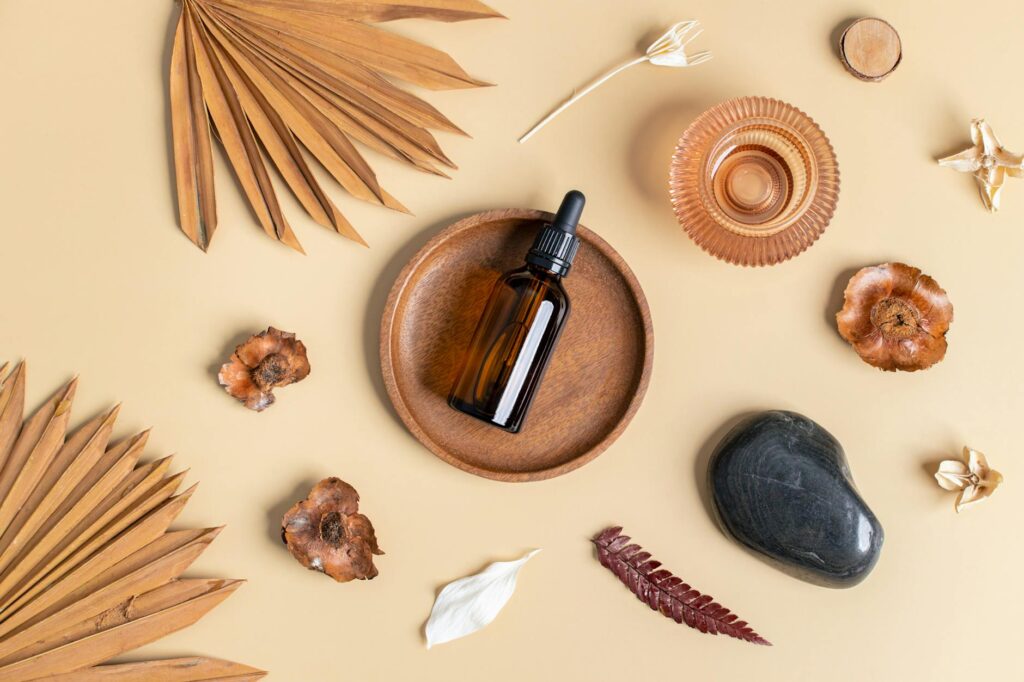
Health Benefits of Aromatherapy for Mindfulness and Presence Blends
Introduction
Aromatherapy, the practice of using essential oils extracted from plants, has gained significant popularity in recent years for its potential benefits in promoting well-being, relaxation, and mindfulness. Among the various applications of aromatherapy, blends designed for mindfulness and presence have emerged as a focal point for individuals seeking to enhance their mental clarity, emotional balance, and overall mindfulness. This article explores the intricacies of aromatherapy for mindfulness and presence blends, shedding light on their benefits, common uses, and practical applications.
What Is Aromatherapy for Mindfulness and Presence Blends?
Aromatherapy for mindfulness and presence blends involves the use of specific essential oils that are known to enhance mental focus, emotional stability, and a sense of being present in the moment. Mindfulness, defined as the intentional and non-judgmental awareness of the present, can be significantly enhanced through olfactory stimulation. The sense of smell is directly linked to the brain’s limbic system, which plays a key role in emotion and memory. By harnessing the power of essential oils, individuals can create an atmosphere conducive to mindfulness and a deeper sense of presence.
These blends typically include a combination of oils that are chosen for their specific properties. Common ingredients may include lavender for relaxation, peppermint for clarity, and bergamot for mood enhancement. When used thoughtfully, these blends can facilitate a deeper connection to oneself and the surrounding environment.
Key Benefits and Properties
The benefits of aromatherapy for mindfulness and presence blends extend beyond mere fragrance. Here are some key properties associated with commonly used essential oils in these blends:
1. Promotes Relaxation: Oils such as lavender and chamomile are well-known for their calming effects. They can help reduce anxiety and promote a sense of tranquility, which can be especially beneficial when practicing mindfulness.
2. Enhances Focus: Essential oils like rosemary and peppermint have been shown to improve concentration and mental clarity. Their invigorating scents can stimulate the mind and enhance cognitive performance.
3. Balances Emotions: Oils such as bergamot and ylang-ylang are renowned for their mood-lifting properties. They can help regulate emotions and create a balanced emotional state conducive to mindfulness.
4. Facilitates Grounding: Grounding oils like vetiver and cedarwood provide a sense of stability and connection to the earth. They can help individuals feel more centered and present.
5. Supports Breathing: Oils like eucalyptus and tea tree are known for their respiratory benefits. Improved breathing can enhance relaxation and facilitate deeper meditation practices.
Common Uses
Mindfulness and presence blends can be used in a variety of settings and practices. Here are some common applications:
- Meditation: Incorporating aromatherapy into meditation can deepen the experience, allowing individuals to focus on their breath and the present moment.
- Yoga: Many practitioners use essential oils during yoga sessions to enhance their practice. Diffusing or applying oils can create an environment of calm and focus.
- Daily Rituals: Whether during morning routines or evening wind-downs, incorporating these blends into daily rituals can enhance mindfulness throughout the day.
- Stress Relief: Using these blends in stressful situations can provide immediate emotional support, helping individuals regain composure and clarity.
- Sleep Aid: Certain blends can be beneficial before bedtime, promoting relaxation and preparing the mind for restful sleep.
- Dilution: Essential oils are highly concentrated and should be diluted with a carrier oil before topical application to prevent skin irritation.
- Patch Test: Conduct a patch test before applying a new oil to the skin to check for allergic reactions.
- Pregnancy and Health Conditions: Certain essential oils may not be safe for pregnant individuals or those with specific health conditions. Consult with a qualified practitioner for guidance.
- Children and Pets: Some essential oils can be harmful to children and pets. Always use caution and do thorough research before using oils in households with young children or animals.
- Store in Dark Glass Containers: Essential oils should be kept in dark glass bottles to protect them from light, which can degrade their quality.
- Keep in a Cool, Dry Place: Avoid exposing oils to heat or humidity, as these factors can impact their properties.
- Check Expiration Dates: Essential oils typically have a shelf life of 1 to 3 years, depending on the oil type. Regularly check expiration dates and discard any oils that have exceeded their shelf life.
Aromatherapy Applications
There are several methods to apply aromatherapy for mindfulness and presence blends. Each method offers unique advantages, and individuals may choose the one that best fits their lifestyle:
1. Diffusion: Using an essential oil diffuser allows the scent to fill a room, creating a calming atmosphere. This is particularly effective during meditation or yoga sessions.
2. Topical Application: Essential oils can be diluted with a carrier oil and applied directly to the skin, particularly pulse points like wrists or behind the ears. This method allows for a more personalized experience.
3. Inhalation: Simply inhaling the scent directly from the bottle or placing a drop on a tissue can provide immediate benefits, making it a convenient option for on-the-go mindfulness.
4. Bathing: Adding essential oils to bathwater can create a luxurious and soothing experience, promoting relaxation and mindfulness.
5. Room Sprays: Creating a room spray with essential oils can provide an instant boost of calm and focus in any environment.
Safety Considerations
While aromatherapy is generally safe for many individuals, it is essential to take certain precautions:
Storage and Shelf Life
Proper storage of essential oils is crucial for maintaining their potency and effectiveness. To extend the shelf life of oils:
Frequently Asked Questions
1. Can I create my own mindfulness and presence blends?
Yes, creating your own blends can be a rewarding experience. Experiment with different oils to find combinations that resonate with you. Start with one or two base oils and gradually add others to create a blend that suits your preferences.
2. How often should I use these blends?
There is no specific frequency for using mindfulness and presence blends. However, incorporating them into your daily routine or during meditation and yoga can enhance their effectiveness. Listen to your body and use them as needed.
3. Are there any essential oils to avoid?
Certain oils, such as those that are highly irritating or potentially toxic, should be avoided. Oils like cinnamon and clove can be irritating to the skin, while others like wintergreen should be used with caution. Always research any oil before use.
4. Can aromatherapy replace traditional mindfulness practices?
Aromatherapy is a complementary practice and should not be viewed as a replacement for traditional mindfulness techniques. It can enhance the experience but is most effective when used alongside other mindfulness practices such as meditation or yoga.
5. Is it safe to use essential oils around pets?
Some essential oils can be harmful to pets, especially cats. Always consult a veterinarian before using essential oils in homes with pets, and consider using pet-safe options.
Conclusion
Aromatherapy for mindfulness and presence blends offers a unique approach to enhancing mental clarity, emotional balance, and overall well-being. By harnessing the power of essential oils, individuals can create an environment conducive to mindfulness and a deeper connection to the present moment. Whether used in meditation, yoga, or daily rituals, these blends can provide valuable support in navigating the complexities of modern life. As with any holistic practice, it is essential to approach aromatherapy with caution, awareness, and respect for the potency of nature’s offerings.