
Health Benefits of Aromatherapy for Mood Stabilization Blends
Introduction
Aromatherapy is a holistic practice that utilizes the therapeutic properties of essential oils to enhance physical and emotional well-being. Among its various applications, mood stabilization blends have gained significant attention for their potential to support emotional balance and mental clarity. This article explores the concept of aromatherapy for mood stabilization, examining its benefits, applications, and safety considerations.
What Is Aromatherapy for Mood Stabilization Blends?
Aromatherapy involves the use of essential oils derived from plants, flowers, and herbs to promote psychological and physical well-being. Mood stabilization blends specifically target emotional health, utilizing the aromatic properties of essential oils to influence mood and emotional states. These blends can be created using various combinations of oils, each with unique characteristics that cater to different emotional needs.
Common essential oils used for mood stabilization include lavender, bergamot, frankincense, and ylang-ylang. These oils are often combined to create synergistic blends that enhance their effects. The inhalation or topical application of these oils can stimulate the olfactory system, which is closely linked to the brain’s limbic system—the center of emotions.
Key Benefits and Properties
1. Stress Reduction: Many essential oils possess calming properties that can help reduce stress and anxiety. Oils like lavender and chamomile are well-known for their relaxing effects.
2. Mood Elevation: Certain oils can uplift the spirit and promote feelings of happiness. Citrus oils, such as bergamot and sweet orange, are often included in mood stabilization blends for their brightening effects.
3. Emotional Balance: Essential oils like frankincense and ylang-ylang can help stabilize emotions, making them useful for individuals who experience mood swings or emotional fluctuations.
4. Improved Sleep Quality: Essential oils can promote relaxation and improve sleep quality, which in turn can stabilize mood. Oils such as vetiver and marjoram are frequently used for this purpose.
5. Cognitive Clarity: Some oils, including rosemary and peppermint, can enhance mental clarity and focus, providing support during times of stress or overwhelm.
6. Holistic Support: Aromatherapy blends can provide a holistic approach to emotional health, addressing both psychological and physiological aspects of well-being.
Common Uses
Aromatherapy for mood stabilization can be employed in various settings and methods, including:
- Personal Care: Incorporating essential oils into daily routines, such as in bath products or skin care, can provide ongoing emotional support.
- Home Environment: Diffusing essential oils in living spaces can create a calming atmosphere conducive to emotional balance.
- Workplace: Using portable diffusers or inhalers can help reduce stress and enhance focus during work hours.
- Meditation and Mindfulness: Essential oils can enhance meditation practices, helping individuals to achieve a deeper state of relaxation and emotional clarity.
- Massage Therapy: Incorporating essential oils into massage oils can facilitate a deeper emotional release during physical therapy sessions.
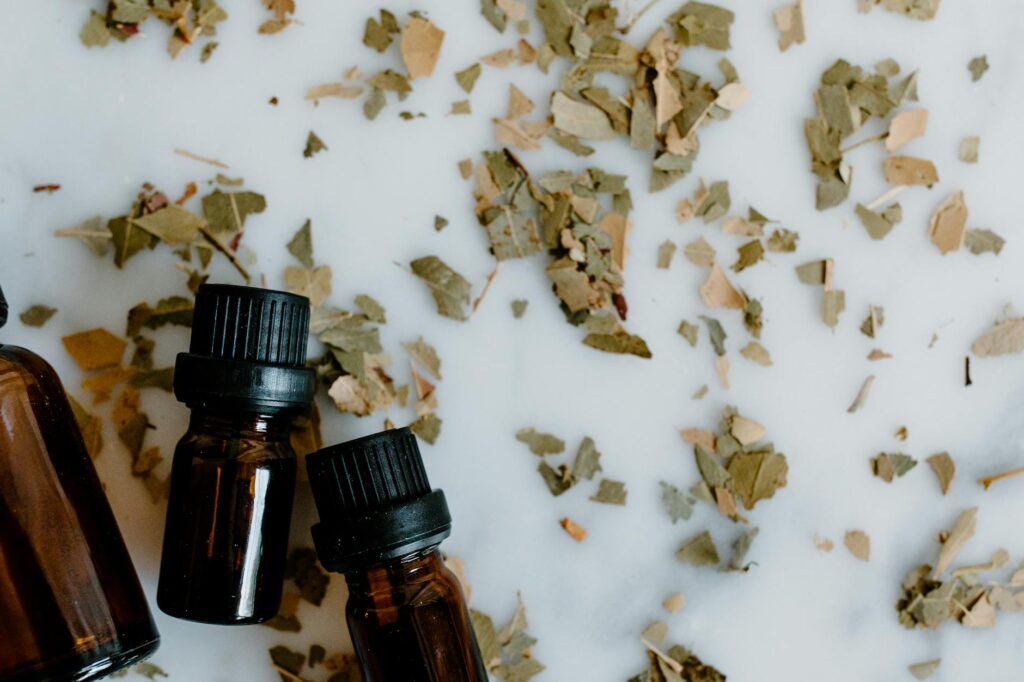
- Dark Glass Containers: Store essential oils in dark glass bottles to protect them from light, which can degrade their quality.
- Cool, Dry Place: Keep essential oils in a cool, dry environment, away from heat sources and direct sunlight.
- Seal Tightly: Ensure that bottles are sealed tightly to prevent oxidation and evaporation.
Aromatherapy Applications
The application of aromatherapy for mood stabilization can be performed through various methods:
1. Diffusion: Using an essential oil diffuser can disperse aromatic molecules into the air, allowing for inhalation. This method is ideal for creating an overall calming environment.
2. Topical Application: Essential oils can be diluted in carrier oils (such as jojoba or sweet almond oil) and applied to pulse points, such as wrists or behind the ears. This method allows for direct interaction with the skin and olfactory system.
3. Inhalation: Direct inhalation of essential oils from the bottle or via a personal inhaler can offer immediate effects. This method is beneficial for quick mood adjustments.
4. Bathing: Adding essential oils to bathwater can create a soothing and immersive experience. Epsom salts can be used in conjunction to enhance relaxation.
5. Emotional Aromatherapy: Creating roller blends or personal inhalers allows individuals to customize their mood stabilization approach, tailoring specific blends to their emotional needs.
Safety Considerations
While aromatherapy is generally safe, it is important to follow certain precautions:
1. Dilution: Essential oils should be properly diluted in carrier oils before topical application to prevent skin irritation.
2. Skin Sensitivity: Conduct a patch test before using a new essential oil to identify any potential allergic reactions.
3. Pregnancy and Nursing: Certain essential oils may not be safe during pregnancy or while nursing. It is advisable to consult with a qualified practitioner for guidance.
4. Medical Conditions: Individuals with certain medical conditions or those taking medications should consult healthcare professionals prior to using essential oils.
5. Children and Pets: Special care should be taken when using essential oils around children and pets, as some oils may be toxic to them.
Storage and Shelf Life
Proper storage of essential oils can extend their shelf life and maintain their efficacy. Here are some tips for storage:
The shelf life of essential oils can vary, typically ranging from 1 to 5 years depending on the oil. Citrus oils tend to have a shorter shelf life compared to heavier oils like sandalwood or patchouli.
Frequently Asked Questions
1. Can aromatherapy replace traditional therapy?
While aromatherapy can be a valuable complementary practice, it should not replace professional mental health treatment. It is best used as a supportive tool alongside conventional therapies.
2. How do I choose the right essential oil for my needs?
Choosing the right essential oil depends on your emotional needs. Research the properties of different oils and consider conducting a sensory evaluation to find the scents that resonate with you.
3. Are there any side effects of using essential oils?
Essential oils are generally safe when used appropriately. However, some individuals may experience allergic reactions or skin irritations. Always perform a patch test before widespread use.
4. How often can I use aromatherapy for mood stabilization?
Aromatherapy can be used daily, depending on individual preference and sensitivity. Listen to your body’s responses and adjust usage accordingly.
5. Can I create my own blends?
Absolutely! Creating your own essential oil blends allows for personalization. Start with a few oils that you enjoy and experiment with different ratios to find what works best for you.
Conclusion
Aromatherapy for mood stabilization blends offers a holistic approach to enhancing emotional well-being. By understanding the properties and applications of various essential oils, individuals can create personalized experiences that support their mental and emotional health. While aromatherapy is not a substitute for professional medical advice or treatment, it serves as a valuable tool for those seeking to cultivate emotional balance and stability in their lives.