
Health Benefits of Aromatherapy for Pain Management Blends
Introduction
Aromatherapy, an age-old practice rooted in the use of essential oils derived from plants, has gained significant attention in contemporary wellness practices. Among its many applications, aromatherapy for pain management blends has emerged as a popular method for alleviating discomfort associated with various conditions. This article explores the principles of aromatherapy, the benefits of specific essential oils, common applications, and essential safety considerations.
What Is Aromatherapy for Pain Management Blends?
Aromatherapy involves the inhalation and topical application of essential oils to promote physical and emotional well-being. For pain management, essential oils are selected for their analgesic, anti-inflammatory, and muscle-relaxing properties. Blends can be customized according to individual preferences and specific types of pain, making aromatherapy a versatile tool in holistic health practices.
Essential oils are extracted from various parts of plants, including flowers, leaves, stems, and roots. These concentrated extracts carry the plant’s aroma and therapeutic benefits, which can influence both the mind and body when used in aromatherapy.
Key Benefits and Properties
The health benefits of aromatherapy for pain management are attributed to the unique properties of various essential oils. Here are some of the key benefits and properties associated with common essential oils used in pain management blends:
1. Analgesic Properties
Certain essential oils contain compounds that can help alleviate pain. For instance:
- Lavender: Known for its calming effects, lavender oil can help reduce headaches and muscle pain.
- Peppermint: Contains menthol, which provides a cooling sensation and can help relieve tension headaches and sore muscles.
- Eucalyptus: Often used for respiratory issues, eucalyptus oil can also help reduce inflammation and pain in sore muscles and joints.
- Ginger: Known for its warming qualities, ginger oil can help reduce inflammation, making it beneficial for arthritis and muscle pain.
- Marjoram: Known for its calming effects, marjoram oil is often used in blends for muscle spasms and tension relief.
- Roman Chamomile: This oil can help soothe muscle tension and promote relaxation.
- Bergamot: This citrus oil is known for its mood-lifting properties and can help alleviate stress-related pain.
- Frankincense: Revered for its calming effects, frankincense can help reduce anxiety and promote a sense of well-being.
- Chronic Pain: Individuals with conditions like fibromyalgia or arthritis may find relief through targeted essential oil blends.
- Muscle Soreness: Athletes often use aromatherapy to soothe sore muscles after strenuous activity.
- Headaches and Migraines: Inhalation or topical application of specific oils can help alleviate headache symptoms.
- Menstrual Cramps: Certain oils can help ease menstrual discomfort when applied to the lower abdomen.
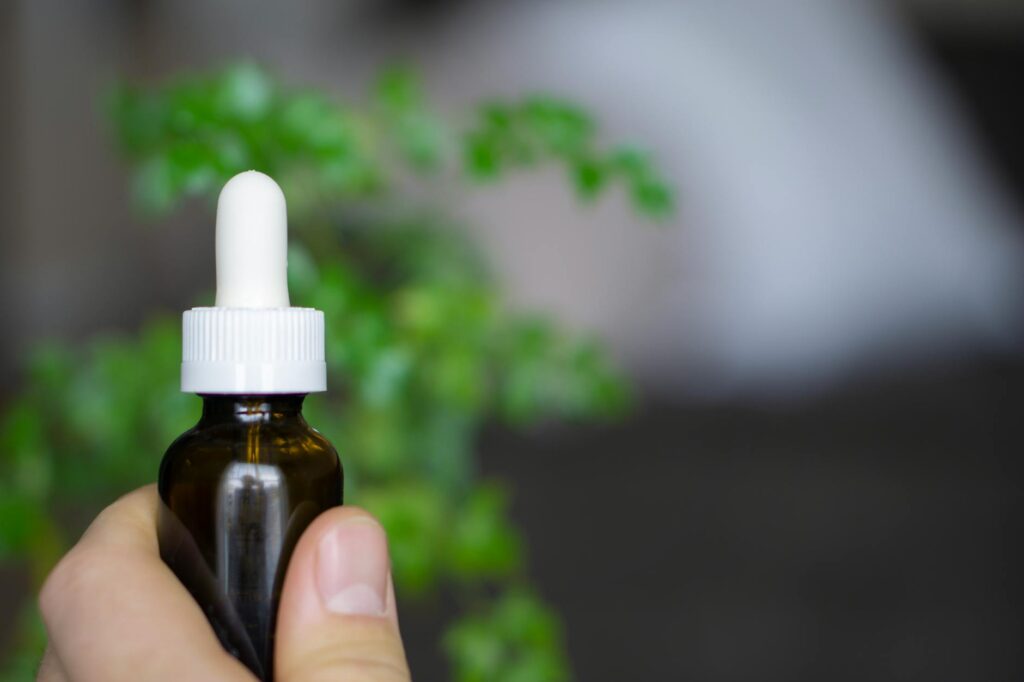
- Keep Away from Light: Essential oils should be stored in dark glass bottles to protect them from light, which can degrade their quality.
- Cool Temperature: Store them in a cool, dry place, away from direct heat sources.
- Shelf Life: While most essential oils have a shelf life of 1-3 years, some oils (like citrus oils) may have shorter shelf lives. Check for any changes in scent or consistency before use.
2. Anti-inflammatory Effects
Inflammation is often a contributing factor to pain. Essential oils with anti-inflammatory properties can help reduce swelling and discomfort. Examples include:
3. Muscle Relaxation
Essential oils that promote muscle relaxation can ease tension and discomfort. Key oils include:
4. Stress and Anxiety Reduction
Pain is often exacerbated by stress and anxiety. Essential oils that promote relaxation can indirectly help with pain management. Notable oils include:
Common Uses
Aromatherapy blends for pain management are widely used for various conditions, including:
Aromatherapy Applications
Aromatherapy can be applied in various ways to maximize its benefits for pain management:
1. Diffusion
Using an essential oil diffuser allows the aroma to fill the space, promoting relaxation and pain relief through inhalation. Popular blends for diffusion include lavender, eucalyptus, and peppermint.
2. Topical Application
When diluted with a carrier oil (such as coconut oil, jojoba oil, or sweet almond oil), essential oils can be applied directly to the skin. Common areas include the temples for headaches or sore muscles for localized pain relief.
3. Bath Soaks
Adding essential oils to a warm bath can create a soothing experience. Oils like lavender, chamomile, and marjoram can enhance relaxation and help with muscle tension.
4. Inhalation
Direct inhalation of essential oils can provide immediate relief. Placing a few drops on a tissue or in the palm of your hand and inhaling deeply can be effective, especially for headaches or stress-related pain.
Safety Considerations
While aromatherapy is generally considered safe, certain precautions should be taken:
1. Dilution
Essential oils are highly concentrated and should be diluted with a carrier oil before topical application to avoid skin irritation.
2. Allergies and Sensitivities
Individuals should conduct a patch test before using a new essential oil to check for allergies or sensitivities. If irritation occurs, discontinue use.
3. Pregnancy and Nursing
Pregnant or nursing individuals should consult a healthcare professional before using essential oils, as certain oils may not be safe during these periods.
4. Medical Conditions
Individuals with certain medical conditions, such as asthma or epilepsy, should consult a healthcare provider before using essential oils, as some may trigger symptoms.
Storage and Shelf Life
Proper storage of essential oils is crucial to maintain their integrity and effectiveness. Here are some tips:
Frequently Asked Questions
1. Can aromatherapy completely eliminate pain?
Aromatherapy may help alleviate pain, but it is not a substitute for medical treatment. It is best used as a complementary approach.
2. How can I create my own pain management blend?
To create a blend, select 2-3 essential oils known for their pain-relieving properties, dilute them with a carrier oil, and test the blend for scent and efficacy.
3. How often can I use aromatherapy for pain management?
The frequency of use can vary based on individual needs. Many people use aromatherapy several times a day, especially for acute pain.
4. Are there any essential oils I should avoid?
Certain essential oils may not be suitable for everyone, particularly during pregnancy, or for those with specific medical conditions. Always consult with a healthcare provider if uncertain.
5. Can children use aromatherapy?
Aromatherapy can be beneficial for children, but it is essential to use appropriate oils and diluted concentrations. Consult a healthcare professional for guidance.
Conclusion
Aromatherapy for pain management blends offers a holistic approach to alleviating discomfort through the therapeutic properties of essential oils. While it is not a replacement for conventional medical treatment, it can serve as a valuable complementary method for enhancing overall well-being. By understanding the benefits, common applications, and safety considerations, individuals can make informed choices about incorporating aromatherapy into their pain management routines.