
Health Benefits of Aromatherapy for Respiratory Health Blends
Introduction
Aromatherapy, the practice of using essential oils to promote physical and emotional well-being, has gained recognition for its potential benefits in various aspects of health. Among these, respiratory health is a significant area of focus. Essential oils derived from plants possess properties that may help support respiratory function and overall lung health. This article delves into the characteristics, benefits, and applications of aromatherapy blends specifically aimed at enhancing respiratory health.
What Is Aromatherapy for Respiratory Health Blends?
Aromatherapy for respiratory health involves using specific essential oils to alleviate symptoms associated with respiratory conditions and to promote a healthier respiratory system. Essential oils are concentrated extracts from plants that capture their natural fragrance and therapeutic properties. When inhaled or absorbed through the skin, these oils can influence physical, emotional, and mental health.
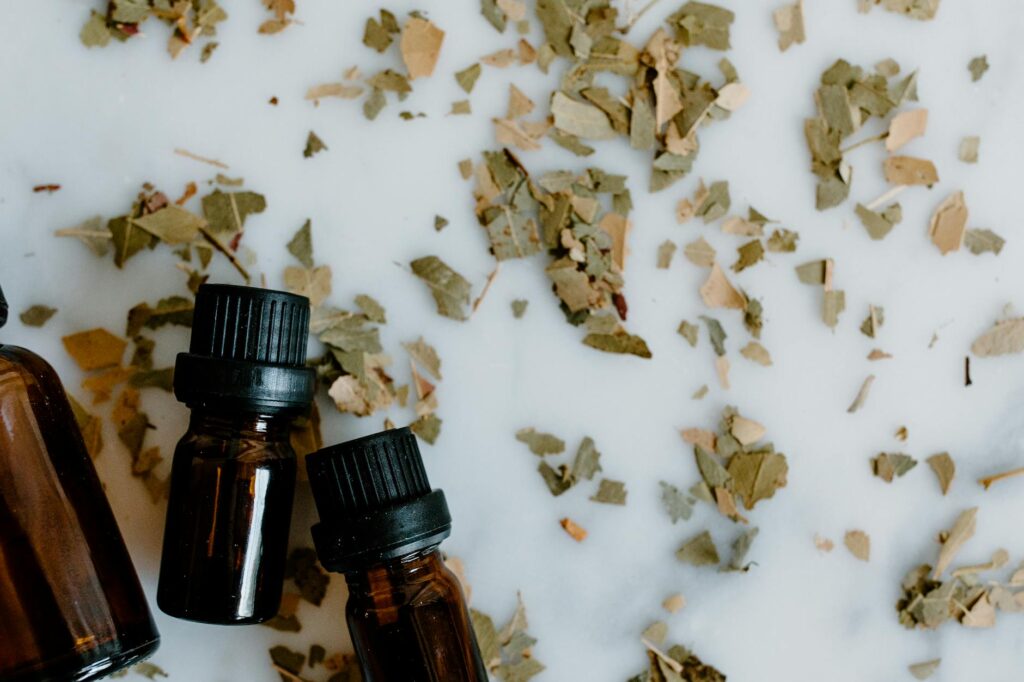
Blends designed for respiratory health typically include oils known for their beneficial properties, such as antimicrobial, anti-inflammatory, and expectorant effects. Common essential oils used in these blends include eucalyptus, peppermint, tea tree, and lavender, among others. Together, these oils can create a synergistic effect that may enhance their individual benefits.
Key Benefits and Properties
1. Antimicrobial Properties
Many essential oils possess natural antimicrobial properties, making them effective against bacteria and viruses. Oils like tea tree and eucalyptus have been studied for their ability to combat pathogens, potentially aiding in the prevention of respiratory infections.
2. Anti-Inflammatory Effects
Inflammation is a common factor in respiratory conditions such as asthma and bronchitis. Essential oils like lavender and chamomile may help reduce inflammation, promoting easier breathing and overall respiratory comfort.
3. Expectorant Qualities
Certain essential oils are known for their expectorant qualities, which can help to clear mucus from the airways. Oils such as peppermint and rosemary promote the expulsion of mucus, which can be beneficial during colds or allergies.
4. Relaxation and Stress Relief
Stress can exacerbate respiratory issues. Aromatherapy promotes relaxation through the inhalation of soothing scents. Oils like lavender and bergamot are known for their calming effects, which can help reduce anxiety and improve overall breathing patterns.
5. Improved Air Quality
Inhalation of essential oils can help purify the air and eliminate airborne pathogens. Diffusing oils in a room can contribute to a healthier environment, potentially benefiting respiratory health.
Common Uses
Aromatherapy blends targeting respiratory health can be used in various ways, including:
- Inhalation: Directly inhaling the scent of essential oils from a bottle or through steam inhalation.
- Diffusion: Using a diffuser to disperse essential oils into the air, creating an aromatic environment.
- Topical Application: Diluting essential oils in a carrier oil and applying them to the chest, throat, or back to promote respiratory comfort.
- Bathing: Adding essential oils to a warm bath can provide a relaxing experience while benefiting respiratory health.
- 3 drops of eucalyptus oil
- 2 drops of peppermint oil
- 1 drop of tea tree oil
- 2 tablespoons of a carrier oil (such as coconut or sweet almond oil)
- 4 drops of lavender oil
- 2 drops of rosemary oil
- 2 drops of peppermint oil
- Boil water in a bowl.
- Remove from heat and add 2–3 drops of eucalyptus or peppermint oil.
- Place a towel over your head and lean over the bowl, inhaling deeply for several minutes.
- Add 5–10 drops of eucalyptus or lavender oil to a warm bath.
- Mix with a dispersing agent, such as milk or honey, to help incorporate the oils into the water.
- Dilution: Always dilute essential oils before applying them to the skin to prevent irritation.
- Allergies: Conduct a patch test to check for potential allergic reactions.
- Pregnancy and Health Conditions: Consult a qualified healthcare professional if pregnant, nursing, or dealing with chronic health issues.
- Children and Pets: Some essential oils can be harmful to children and pets. Use caution and consult guidelines specific to their needs.
- Storage: Keep essential oils in dark glass bottles to protect them from light and heat. Store them in a cool, dark place away from direct sunlight.
- Shelf Life: Most essential oils have a shelf life of 1–3 years, though this may vary by oil. Citrus oils tend to have a shorter shelf life. Regularly check for changes in aroma or consistency, which may indicate spoilage.
Aromatherapy Applications
1. Diffusion Blends
Creating a diffusion blend can be a simple yet effective way to harness the power of essential oils. A popular blend for respiratory health might include:
Combine these oils in a diffuser with water according to the manufacturer’s instructions. Inhaling the aromatic vapors can help clear the airways and promote easier breathing.
2. Topical Applications
For topical applications, it is essential to dilute essential oils with a carrier oil. A typical blend for respiratory health might include:
Mix the oils in a small glass container and apply a small amount to the chest or back, massaging gently to enhance absorption.
3. Steam Inhalation
A steam inhalation treatment can provide immediate relief for congested airways. To create a steam inhalation blend:
4. Bath Additive
Adding essential oils to a bath can create a soothing experience. For a respiratory health bath:
Safety Considerations
While aromatherapy is generally considered safe, certain precautions should be observed:
Storage and Shelf Life
To maintain the quality and potency of essential oils, proper storage is crucial:
Frequently Asked Questions
1. Can aromatherapy completely cure respiratory conditions?
Aromatherapy should not be viewed as a cure for respiratory conditions. Rather, it can be a complementary approach to support overall respiratory health.
2. How often can I use aromatherapy for respiratory health?
Aromatherapy can be used daily, but it is essential to listen to your body and adjust usage based on personal comfort and response to the oils.
3. Are there any essential oils to avoid for respiratory health?
Certain oils, such as those with strong fragrances or potential irritants, may not be suitable for everyone. Always conduct a patch test and consult with a professional if unsure.
4. Can children use essential oils for respiratory health?
Some essential oils can be used safely with children, but it is vital to dilute them appropriately and consult specific guidelines or a healthcare professional.
5. Is it safe to use essential oils around pets?
Many essential oils can be harmful to pets, particularly cats and dogs. Always check specific oils for safety around animals and consult a veterinarian if unsure.
In summary, while aromatherapy for respiratory health offers a range of potential benefits, it is crucial to approach its use with informed care and consideration. Understanding the properties of essential oils and their applications can help individuals incorporate these natural remedies into their wellness routines safely and effectively.