
Health Benefits of Aromatherapy for Seasonal Affective Disorder (SAD) Blends
Introduction
Seasonal Affective Disorder (SAD) is a type of depression that typically occurs during specific seasons, most commonly in the winter months when daylight hours are shorter. Individuals suffering from SAD often experience symptoms such as low energy, irritability, difficulty concentrating, and changes in sleep patterns. While traditional treatments may include therapy and medication, many people are turning to natural remedies, such as aromatherapy, to help mitigate symptoms. This article explores the health benefits of aromatherapy blends specifically designed for individuals experiencing SAD.
What Is Aromatherapy for Seasonal Affective Disorder (SAD) Blends?
Aromatherapy is a holistic healing practice that utilizes essential oils extracted from plants to promote physical and emotional well-being. Different essential oils possess unique properties, making them suitable for various applications. When it comes to SAD, aromatherapy blends may include oils known for their uplifting, calming, or balancing effects on mood. Common oils used in these blends often include citrus oils, floral oils, and grounding oils, which are believed to help alleviate symptoms associated with SAD.
Key Benefits and Properties
1. Mood Enhancement
Many essential oils have been studied for their ability to improve mood. Citrus oils, such as orange and lemon, are known for their uplifting properties. They can stimulate the production of serotonin, a neurotransmitter that contributes to feelings of happiness and well-being.
2. Stress Relief
Stress is a common trigger for SAD symptoms. Oils like lavender and bergamot possess calming effects that can help reduce anxiety and promote relaxation. These oils may also help to lower cortisol levels, which is associated with stress.
3. Energy Boost
Certain essential oils can help combat the fatigue often associated with SAD. Peppermint and eucalyptus, for example, are invigorating oils that may provide a refreshing boost of energy and mental clarity.
4. Improved Sleep
Individuals with SAD often experience sleep disturbances. Oils like chamomile and vetiver are known for their sedative properties, making them useful in promoting restful sleep and improving overall sleep quality.
5. Emotional Balance
Essential oils such as frankincense and ylang-ylang are considered grounding and balancing. These oils can help stabilize emotions, providing a sense of peace during challenging times.
Common Uses
Aromatherapy blends for SAD can be used in various ways, depending on individual preferences and circumstances. Some common applications include:
- Diffusion: Using an essential oil diffuser allows the scent to permeate a room, creating an uplifting atmosphere. This method is particularly effective for larger spaces and can be used during the day or night.
- Topical Application: Blending essential oils with a carrier oil (such as jojoba or coconut oil) and applying it to pulse points can provide localized benefits. This method is often favored for its quick absorption into the skin.
- Inhalation: Direct inhalation of essential oils can offer immediate relief. A few drops can be placed on a cotton ball or tissue and inhaled as needed.
- Bathing: Adding essential oils to bathwater can create a soothing environment, allowing for relaxation and stress relief. This method can be particularly beneficial during self-care routines.
- 5 drops Sweet Orange essential oil
- 3 drops Lavender essential oil
- 2 drops Bergamot essential oil
- 1 drop Peppermint essential oil
- 10mL carrier oil (e.g., jojoba, coconut)
- Dilution: Always dilute essential oils with a carrier oil before applying them to the skin to prevent irritation or allergic reactions.
- Patch Test: Conduct a patch test on a small area of skin before using any new essential oil blend to check for sensitivity.
- Consultation: If you are pregnant, nursing, or have specific health conditions, consult with a healthcare professional before using essential oils.
- Quality of Oils: Choose high-quality, pure essential oils from reputable sources to ensure safety and efficacy.
- Keep Away from Light: Store essential oils in dark glass bottles to protect them from light, which can degrade their quality.
- Cool Environment: Keep oils in a cool, dry place, away from heat sources or direct sunlight.
- Tightly Sealed: Ensure bottles are tightly sealed to prevent evaporation and contamination.
Aromatherapy Applications
Creating Your Own SAD Blend
When creating an aromatherapy blend for SAD, consider the following essential oils and their properties:
1. Sweet Orange (Citrus sinensis): Known for its uplifting qualities, sweet orange can help improve mood and reduce anxiety.
2. Lavender (Lavandula angustifolia): This oil promotes relaxation and aids in sleep, making it a great addition to a SAD blend.
3. Bergamot (Citrus bergamia): Bergamot is renowned for its ability to alleviate stress and improve mood, contributing to emotional balance.
4. Peppermint (Mentha piperita): With its invigorating scent, peppermint can provide a burst of energy and mental clarity.
5. Frankincense (Boswellia carterii): Often used for its grounding properties, frankincense can help stabilize emotions and promote a sense of calm.
Sample SAD Blend Recipe
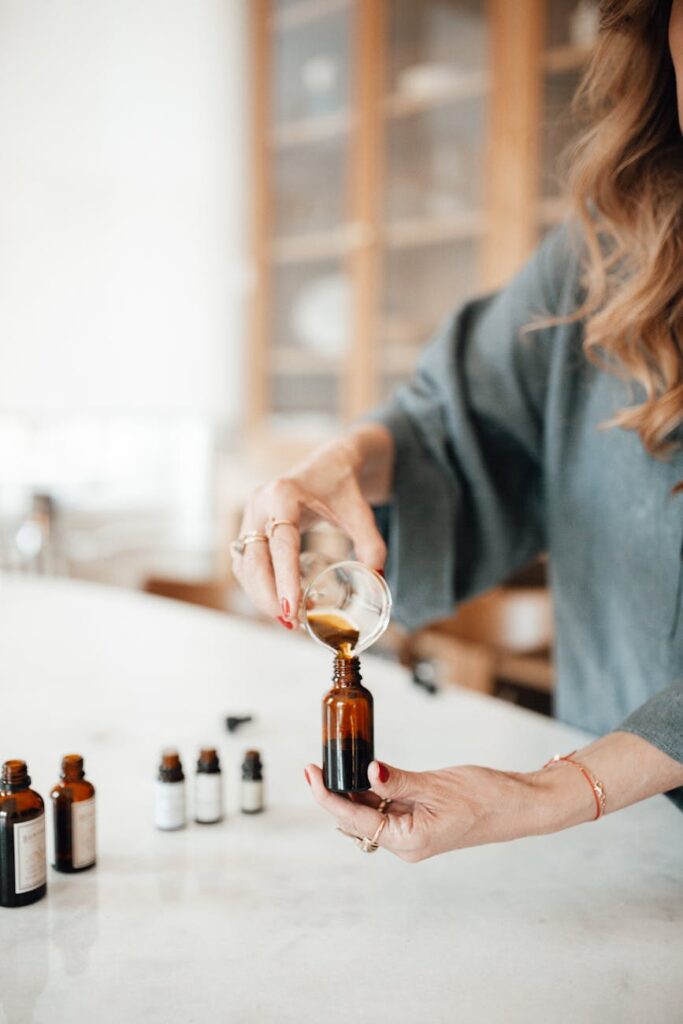
Here’s a simple recipe to create a 10mL roller bottle blend for SAD:
1. Combine the essential oils in a roller bottle.
2. Add the carrier oil and roll the bottle gently to mix.
3. Apply to pulse points as needed.
Safety Considerations
While aromatherapy is generally considered safe, it is important to keep the following safety guidelines in mind:
Storage and Shelf Life
Proper storage is essential for maintaining the potency and effectiveness of essential oils. Here are some tips for storage:
The shelf life of essential oils varies depending on the type of oil and storage conditions. Generally, citrus oils have a shorter shelf life (1-2 years), while other oils can last 3-5 years or more when stored properly.
Frequently Asked Questions
1. Can aromatherapy completely cure SAD?
Aromatherapy can be a supportive tool for managing symptoms of SAD, but it is not a substitute for professional medical treatment. It is best used in conjunction with other therapies.
2. How often can I use aromatherapy blends for SAD?
Frequency of use depends on individual preferences. Many people find benefit from using their blends multiple times a day, particularly during times of heightened symptoms.
3. Are there any essential oils I should avoid?
Some oils may not be suitable for everyone. For example, certain oils can cause allergic reactions or skin irritation. Always conduct a patch test and consult a professional if unsure.
4. Can children use aromatherapy blends?
Children can benefit from aromatherapy, but essential oils should be diluted more than for adults. Consult a qualified aromatherapist for guidance specific to children.
5. How do I choose the right essential oils for my SAD blend?
Consider your personal preferences and the specific symptoms you are experiencing. Research the properties of various oils, and select those that resonate with you or have been shown to help with your symptoms.
Conclusion
Aromatherapy offers a complementary approach to managing Seasonal Affective Disorder (SAD) by harnessing the natural properties of essential oils. While it may not replace traditional treatments, many individuals find comfort and relief through the use of thoughtfully crafted blends. By understanding the benefits, applications, and safety considerations, those suffering from SAD can explore this holistic practice as part of their self-care routine.