
Health Benefits of Aromatherapy for Seasonal Affective Disorder (SAD) Prevention Blends
Introduction
Seasonal Affective Disorder (SAD) is a type of depression that occurs at specific times of the year, most commonly during the fall and winter months when daylight hours are shorter. This condition can lead to feelings of sadness, fatigue, and a general lack of motivation. While various treatments exist, aromatherapy offers a natural approach that harnesses the healing properties of essential oils. This article explores the health benefits of aromatherapy for SAD prevention blends, providing insights into their properties, applications, and safety considerations.
What Is Aromatherapy for Seasonal Affective Disorder (SAD) Prevention Blends?
Aromatherapy is a holistic healing practice that utilizes the aromatic properties of essential oils extracted from plants. These oils are believed to have therapeutic effects that can enhance physical and emotional well-being. For individuals experiencing SAD, specific aromatherapy blends can help mitigate symptoms by promoting relaxation, boosting mood, and enhancing energy levels.
SAD prevention blends often include a combination of essential oils known for their uplifting properties. Commonly used oils include citrus varieties like bergamot and orange, as well as herbal oils such as rosemary and lavender. The goal of these blends is to create an aromatic environment that can alleviate feelings of sadness and enhance overall mood.
Key Benefits and Properties
Aromatherapy blends for SAD prevention can provide several key benefits, including:
Mood Enhancement
Certain essential oils have been shown to elevate mood and promote feelings of happiness. For example, citrus oils like lemon and grapefruit are known for their invigorating properties, which can help combat feelings of lethargy associated with SAD.
Stress Reduction
Many essential oils possess calming properties that can reduce stress and anxiety. Oils such as lavender and chamomile are renowned for their ability to promote relaxation, making them effective in reducing the emotional toll of SAD.
Energy Boosting
Some oils, such as peppermint and rosemary, are known to stimulate the mind and body, providing a natural energy boost. This can be particularly beneficial for those struggling with fatigue during the darker months.
Cognitive Support
Certain essential oils may improve focus and concentration, helping individuals stay engaged in daily activities. Oils like basil and lemon balm can enhance cognitive function, making them valuable additions to SAD prevention blends.
Common Uses
Aromatherapy blends for SAD prevention can be used in various ways, depending on individual preferences. Some common uses include:
Diffusion
Using an essential oil diffuser allows the fragrances to permeate a room, creating a calming and uplifting atmosphere. Diffusion is one of the most popular methods for experiencing the benefits of aromatherapy.
Inhalation
For a quick mood boost, inhaling essential oils directly from the bottle or using an inhaler can provide immediate relief. This method is particularly effective for oils known for their energizing properties.
Topical Application
Diluting essential oils with a carrier oil and applying them to the skin can offer localized benefits. This method is often used for massage or as part of a self-care routine.
Bathing
Adding essential oils to a warm bath can create a relaxing environment that helps alleviate stress and enhance mood. This method combines the therapeutic properties of aromatherapy with the soothing effects of warm water.
Aromatherapy Applications
Creating effective aromatherapy blends for SAD prevention typically involves the careful selection of essential oils based on their properties. Below are several popular blends:
Citrus Bliss Blend
- Oils: Bergamot, Lemon, and Sweet Orange
- Properties: Uplifting, energizing, and refreshing.
- Application: Diffuse in the morning to start the day with a positive mindset.
- Oils: Lavender, Chamomile, and Frankincense
- Properties: Soothing, calming, and relaxing.
- Application: Use in the evening to promote relaxation and prepare for restful sleep.
- Oils: Peppermint, Spearmint, and Rosemary
- Properties: Stimulating, refreshing, and energizing.
- Application: Inhale during midday slumps to enhance focus and energy levels.
- Oils: Basil, Lemon Balm, and Sage
- Properties: Clarifying, focusing, and uplifting.
- Application: Diffuse while working or studying for improved concentration.
- Dilution: Essential oils should be diluted with a carrier oil before topical application to avoid skin irritation.
- Sensitivity Testing: Always perform a patch test on a small area of skin to check for allergic reactions.
- Pregnancy and Nursing: Pregnant or nursing individuals should consult with a healthcare professional before using essential oils.
- Children and Pets: Some essential oils can be harmful to children and pets, so caution is advised when using around them.
- Quality of Oils: Use high-quality, pure essential oils from reputable sources to ensure safety and efficacy.
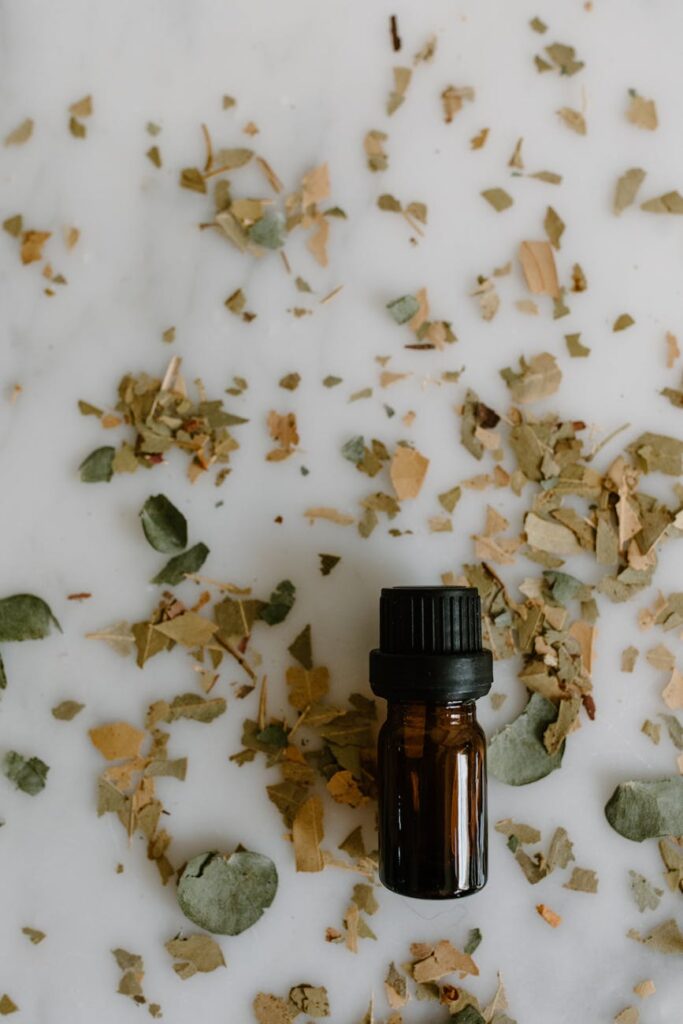
- Dark Glass Containers: Store essential oils in dark glass bottles to protect them from light, which can degrade their quality.
- Cool, Dry Place: Keep oils in a cool, dry environment away from direct sunlight and heat sources.
- Shelf Life: Most essential oils have a shelf life of 1 to 3 years, but this can vary. Citrus oils tend to have a shorter shelf life, while oils like patchouli can last longer.
Calming Comfort Blend
Invigorating Mint Blend
Herbaceous Focus Blend
Safety Considerations
While aromatherapy is generally considered safe, certain precautions should be observed:
Storage and Shelf Life
Proper storage of essential oils is crucial to maintain their efficacy. Here are some guidelines:
Frequently Asked Questions
What is the best way to use essential oils for SAD?
The best method varies by individual preference. Diffusion, inhalation, and topical application are all effective. Experimenting with different methods can help find the most beneficial approach.
Are there any essential oils to avoid for SAD?
While most oils are safe, some may not be suitable for everyone. Oils like wintergreen and eucalyptus can be irritating to the skin or respiratory system. Always conduct a patch test and consult with a healthcare professional if unsure.
How long does it take to feel the effects of aromatherapy?
The effects can be felt almost immediately with inhalation or diffusion. However, consistent use over time may yield more significant benefits, particularly in mood enhancement and stress reduction.
Can aromatherapy replace traditional treatments for SAD?
Aromatherapy can be a complementary approach but should not replace medical treatment. Individuals experiencing severe symptoms should consult with a healthcare provider for comprehensive care.
Conclusion
Aromatherapy offers a natural and holistic approach to supporting emotional well-being, particularly for those affected by Seasonal Affective Disorder. By harnessing the power of essential oils, individuals can create personalized blends that promote mood enhancement, stress reduction, and energy boosting. While aromatherapy is not a substitute for professional medical advice, it can serve as a valuable tool in a broader strategy for managing symptoms and enhancing overall well-being during the challenging months of winter.