
Health Benefits of Aromatherapy for Seasonal Change Support Blends
Introduction
Aromatherapy, the practice of using aromatic plant extracts and essential oils for therapeutic purposes, has gained traction in recent years as a holistic approach to wellness. One specific area of interest is its application in supporting individuals through seasonal changes. As the seasons transition, many people experience shifts in mood, energy levels, and overall well-being. This article explores how aromatherapy can aid in navigating these fluctuations through carefully crafted seasonal change support blends, examining their benefits, common uses, and safety considerations.
What Is Aromatherapy for Seasonal Change Support Blends?
Aromatherapy for seasonal change support blends involves the amalgamation of various essential oils to create a synergistic effect that helps individuals cope with the physical and emotional challenges posed by the changing of the seasons. Seasonal transitions can lead to various symptoms, such as fatigue in winter, allergies in spring, or stress in autumn. By leveraging the properties of essential oils, aromatherapy aims to enhance mood, alleviate discomfort, and promote balance and harmony within the body and mind.
Key Benefits and Properties
1. Mood Enhancement
Certain essential oils, such as citrus oils (e.g., orange, lemon) and floral oils (e.g., lavender, bergamot), are known for their uplifting properties. These oils can help alleviate feelings of sadness or lethargy often associated with seasonal affective disorder (SAD) or the winter blues.
2. Immune Support
As seasons change, the body’s immune system may be challenged. Oils like eucalyptus, tea tree, and peppermint have antiviral and antibacterial properties, which can promote respiratory health and bolster the immune response.
3. Stress Reduction
With the arrival of new seasons, stressors such as allergies or seasonal work demands can increase. Essential oils like chamomile, frankincense, and ylang-ylang are renowned for their calming effects, helping to reduce anxiety and promote relaxation.
4. Energy Boosting
During periods of transition, many individuals may experience fatigue or lethargy. Oils such as rosemary and peppermint are stimulating and can help invigorate the mind and body, making them ideal for combating seasonal fatigue.
5. Respiratory Relief
Seasonal changes often bring about respiratory issues, particularly in spring and autumn due to pollen and temperature fluctuations. Essential oils like eucalyptus, lavender, and lemon are commonly used for their ability to support respiratory function and ease congestion.
Common Uses
1. Seasonal Blends for Diffusion
Diffusing essential oils is a popular method of aromatherapy. Blends designed to support seasonal transitions can be used in diffusers to fill spaces with therapeutic aromas, creating an inviting atmosphere that promotes emotional and physical well-being.
2. Topical Applications
Creating topical blends that can be applied to the skin is another common practice. Oils diluted with a carrier oil can be massaged into pulse points or areas of tension, offering localized relief and support.
3. Bath Soaks
Adding essential oils to bath water can create a soothing experience that promotes relaxation and rejuvenation. Blends for seasonal changes can enhance the bathing experience, making it a ritual for self-care.
4. Inhalation
Inhalation of essential oils directly from the bottle or through steam inhalation can provide immediate relief for respiratory issues or emotional distress during seasonal transitions.
5. Aromatherapy Products
Many commercial products, such as candles, sprays, and lotions, incorporate essential oils designed to support seasonal well-being. These products offer convenient and accessible methods to enjoy the benefits of aromatherapy.
Aromatherapy Applications
1. Essential Oil Blends for Winter
- Ingredients: Cedarwood, Frankincense, Sweet Orange, and Clary Sage.
- Properties: This blend can help uplift mood, reduce stress, and promote a sense of warmth and comfort during the cold months.
- Ingredients: Lemon, Lavender, Eucalyptus, and Rosemary.
- Properties: This refreshing blend can help clear the mind, invigorate the spirit, and support respiratory health as allergies may arise.
- Ingredients: Peppermint, Grapefruit, Tea Tree, and Bergamot.
- Properties: This blend can provide cooling effects, enhance energy levels, and support emotional balance during the hot summer months.
- Ingredients: Cinnamon, Clove, Orange, and Ginger.
- Properties: This warm and spicy blend can help ground emotions, support digestive health, and evoke feelings of coziness as the days grow shorter.
- Dilution: Always dilute essential oils with a carrier oil when applying them topically. This helps prevent skin irritation and enhances absorption.
- Sensitivity Testing: Conduct a patch test on a small area of skin before widespread use to check for allergic reactions.
- Quality of Essential Oils: Choose high-quality, pure essential oils from reputable sources to ensure safety and efficacy.
- Pregnancy and Medical Conditions: Individuals who are pregnant, nursing, or have pre-existing medical conditions should consult a healthcare professional before using essential oils.
- Children and Pets: Exercise caution when using essential oils around children and pets, as certain oils can be toxic to them.
- Store in a Cool, Dark Place: Essential oils should be kept away from direct sunlight and heat, which can degrade their quality.
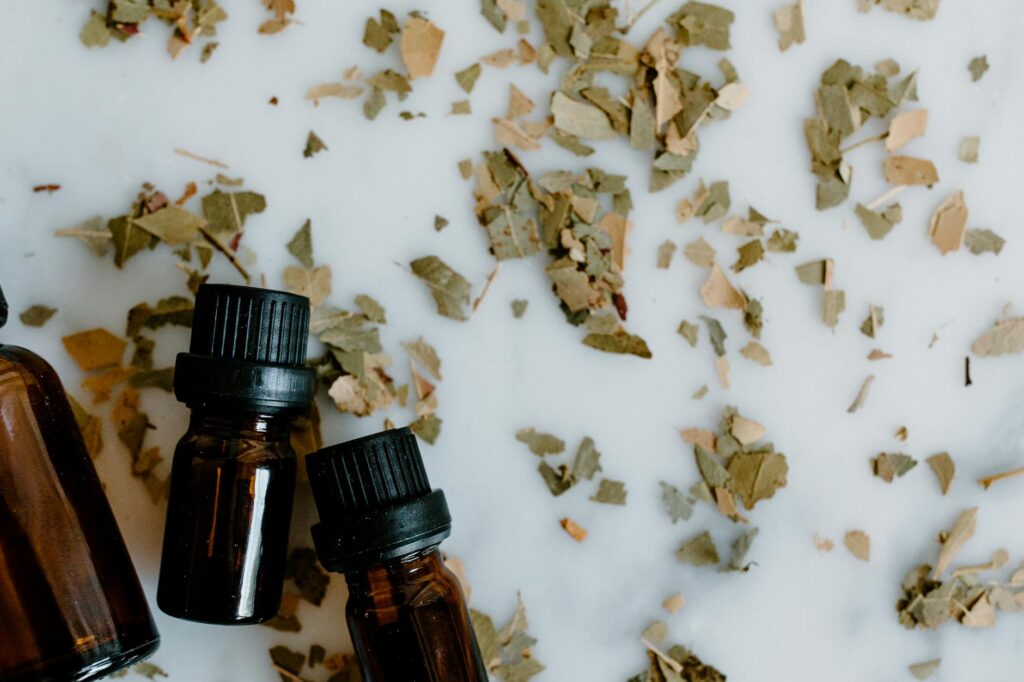
- Use Dark Glass Bottles: Dark glass helps protect oils from light exposure, extending their shelf life.
- Seal Tightly: Ensure that bottles are tightly sealed to prevent evaporation and contamination.
- Check Expiration Dates: While essential oils do not spoil in the traditional sense, some may lose potency over time. Regularly check for signs of degradation, such as changes in color, consistency, or odor.
2. Essential Oil Blends for Spring
3. Essential Oil Blends for Summer
4. Essential Oil Blends for Autumn
Safety Considerations
While aromatherapy can offer numerous benefits, it is essential to approach its use with caution. Here are some key safety considerations:
Storage and Shelf Life
To maintain the potency and effectiveness of essential oils, proper storage is crucial. Follow these guidelines:
Frequently Asked Questions
What essential oils are best for seasonal changes?
Common essential oils for seasonal support include lavender, eucalyptus, lemon, peppermint, and bergamot. Each has unique properties that can address specific seasonal challenges.
How do I use essential oils for seasonal support?
Essential oils can be used through diffusion, topical application, inhalation, or added to bath products. Choose the method that best suits your needs and preferences.
Are there any side effects of using essential oils?
Although typically safe, essential oils can cause allergic reactions or skin irritations in some individuals. Always conduct a patch test and consult professionals if you have concerns.
Can I mix different essential oils?
Yes, blending different essential oils can create synergistic effects that enhance their benefits. However, it is advisable to research or consult with an expert to create effective and safe blends.
How long do essential oils last?
The shelf life of essential oils varies by type. Generally, citrus oils have a shorter shelf life (about 1-2 years), while oils like patchouli and sandalwood can last for several years when stored properly.
Conclusion
Aromatherapy presents a valuable approach to addressing the physical and emotional challenges that accompany seasonal changes. By leveraging the unique properties of various essential oils, individuals can create blends that enhance mood, support the immune system, and promote overall well-being. As with any holistic practice, it is essential to prioritize safety and quality to fully benefit from the therapeutic potential of aromatherapy. Through mindful application, individuals can navigate the transitions of seasons with grace and resilience, fostering a greater sense of balance and harmony in their lives.