
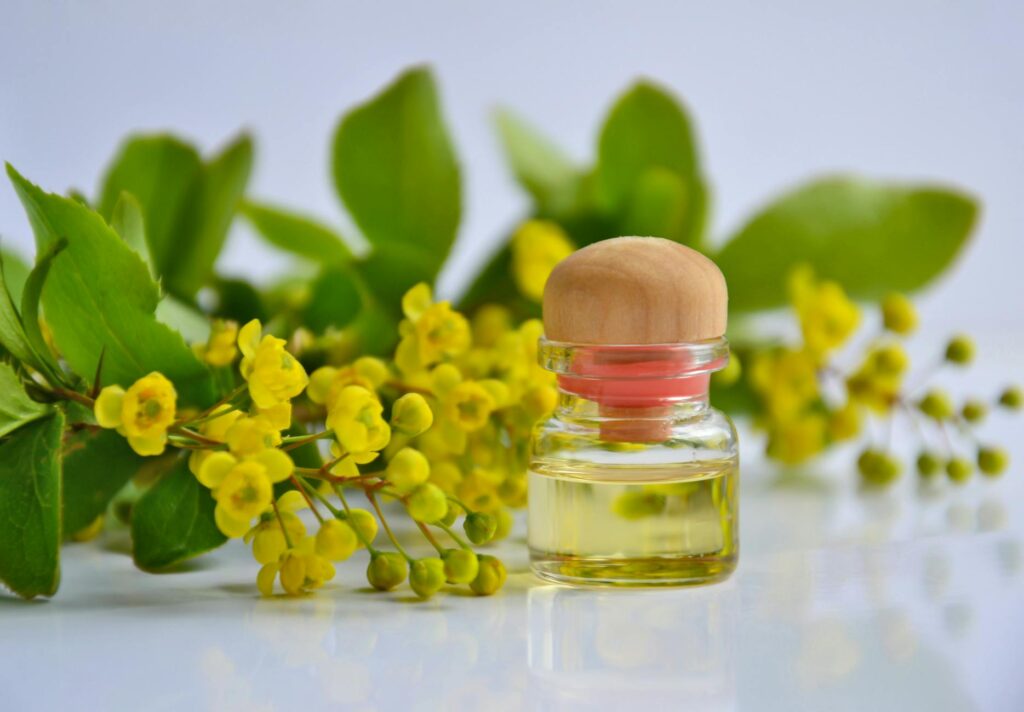
Health Benefits of Aromatherapy for Seasonal Immune Support Blends
Introduction
As the seasons change, so do our immune system demands. With the onset of colder weather or the blossoming of spring, many individuals seek natural ways to support their health. Aromatherapy, a holistic practice that utilizes essential oils extracted from plants, has gained popularity for its potential health benefits, particularly for seasonal immune support. This article delves into the concept of aromatherapy blends designed to bolster the immune system during seasonal transitions, highlighting their properties, applications, and safety considerations.
What Is Aromatherapy for Seasonal Immune Support Blends?
Aromatherapy employs essential oils—highly concentrated plant extracts known for their aromatic properties—to promote physical and emotional well-being. Seasonal immune support blends are specifically formulated to enhance the body’s natural defenses against seasonal ailments. These blends often incorporate oils with antiviral, antibacterial, and antifungal properties, combined to create synergistic effects that may help foster a resilient immune system.
Key Benefits and Properties
The health benefits associated with aromatherapy for immune support can be attributed to the unique properties of various essential oils. Here are some key benefits and properties that make these blends effective:
Antimicrobial Activity
Many essential oils, such as tea tree, eucalyptus, and oregano, possess antimicrobial properties that can help combat pathogens. These oils can inhibit the growth of bacteria and viruses, making them valuable for seasonal immune support.
Anti-Inflammatory Effects
Certain essential oils, like lavender and chamomile, have anti-inflammatory properties that may help alleviate seasonal discomforts, such as allergies or sinus congestion. Reducing inflammation can support a healthier immune response.
Respiratory Support
Blends containing oils such as peppermint and eucalyptus can help open airways and promote easier breathing. By supporting respiratory health, these oils may assist the immune system in functioning more effectively.
Mood Enhancement
Seasonal changes can impact mood and overall well-being. Oils like bergamot and sweet orange are known for their uplifting properties, which can help alleviate seasonal affective disorder (SAD) symptoms and promote a positive mindset, ultimately supporting immune function.
Stress Reduction
Stress can negatively impact the immune system. Essential oils such as lavender and frankincense are recognized for their calming effects, which can help reduce stress levels and promote relaxation, fostering a healthier immune response.
Common Uses
Aromatherapy blends for seasonal immune support can be utilized in various ways, making them versatile tools for enhancing well-being. Here are some common uses:
Diffusion
One of the most popular methods for utilizing essential oils is through diffusion. Adding a few drops of a seasonal immune support blend to a diffuser can disperse the oils into the air, allowing for inhalation and promoting an uplifting atmosphere.
Topical Application
Many essential oils can be applied to the skin after proper dilution with a carrier oil. This method allows for localized benefits, such as applying a blend to the chest for respiratory support or to pulse points for stress relief.
Inhalation
For a quick pick-me-up, inhaling essential oils directly from the bottle or a cotton ball can provide immediate aromatic benefits. This method is especially useful during seasonal transitions when one might be exposed to allergens or pathogens.
Bathing
Incorporating essential oils into bath water can create a soothing experience. Adding a few drops of a seasonal immune support blend to a warm bath can enhance relaxation and provide respiratory benefits through steam inhalation.
Household Cleaning
Many essential oils possess antibacterial properties and can be incorporated into homemade cleaning products. This not only helps maintain a clean environment but also purifies the air, contributing to overall immune support.
Aromatherapy Applications
Creating a seasonal immune support blend involves selecting essential oils that work synergistically to enhance their therapeutic effects. Here are some popular essential oils and their applications:
Eucalyptus
Renowned for its respiratory-supporting properties, eucalyptus oil can help clear nasal passages and enhance breathing. It is often included in blends targeting respiratory health.
Tea Tree
Tea tree oil is celebrated for its antimicrobial effects. It can be especially beneficial during cold and flu season, making it a staple in immune support blends.
Lemon
Lemon oil is uplifting and refreshing, with antibacterial properties. Its bright aroma can enhance mood and support emotional well-being, complementing the immune-boosting effects of other oils.
Lavender
Known for its calming properties, lavender oil can help reduce stress and promote relaxation, indirectly supporting the immune system by fostering emotional well-being.
Thyme
Thyme essential oil is rich in thymol, which has potent antimicrobial properties. It can be effective in combating seasonal pathogens when included in immune support blends.
Safety Considerations
While aromatherapy is generally considered safe for most individuals, certain precautions should be observed:
Dilution
Essential oils are highly concentrated and should be diluted with a carrier oil (such as coconut, jojoba, or almond oil) before applying them to the skin to prevent irritation.
Allergies and Sensitivities
Individuals with allergies or skin sensitivities should perform a patch test before using a new essential oil. If an adverse reaction occurs, discontinue use immediately.
Consultation
Pregnant or nursing women, as well as individuals with underlying health conditions, should consult a healthcare professional before using essential oils for aromatherapy.
Age Considerations
Certain essential oils may not be suitable for young children or infants. Always consult reliable resources or professionals for guidance on age-appropriate usage.
Storage and Shelf Life
Proper storage of essential oils is crucial for maintaining their efficacy and longevity. Here are some tips for storing your seasonal immune support blends:
- Cool, Dark Place: Store essential oils in a cool, dark environment away from direct sunlight. This helps prevent degradation of the oils.
- Tightly Sealed Containers: Ensure that bottles are tightly sealed to minimize oxidation and evaporation.
- Glass Containers: Opt for dark glass containers (amber or cobalt) to protect oils from light exposure, which can impact their quality.
- Shelf Life: The shelf life of essential oils varies. Most oils can last from 1 to 3 years; however, citrus oils tend to have a shorter shelf life of about 6 to 12 months.
Frequently Asked Questions
Can I use essential oils if I have allergies?
While some essential oils may help alleviate allergy symptoms, it’s essential to conduct a patch test and consult healthcare professionals for personalized advice.
Are essential oils safe for children?
Certain essential oils can be used for children, but it’s crucial to dilute them appropriately and consult age guidelines or a healthcare professional.
Can I use essential oils during pregnancy?
Pregnant women should exercise caution and consult a healthcare professional before using essential oils, as some may not be safe during pregnancy.
How often should I use aromatherapy blends for immune support?
Frequency of use can vary based on personal preference and individual response. Start with occasional use and adjust as needed, taking care to observe any adverse reactions.
Can I combine different essential oils?
Yes, combining different essential oils can create synergistic blends that enhance their therapeutic properties. However, ensure that the oils chosen are complementary and safe for your intended use.
Conclusion
Aromatherapy offers a natural approach to seasonal immune support through carefully crafted essential oil blends. By harnessing the unique properties of various essential oils, individuals can create personalized blends that promote well-being during seasonal transitions. As with any holistic practice, understanding safety considerations and proper applications is vital to enjoying the full benefits of aromatherapy. By integrating these blends into your daily routine, you may find enhanced resilience and vitality as the seasons change.