
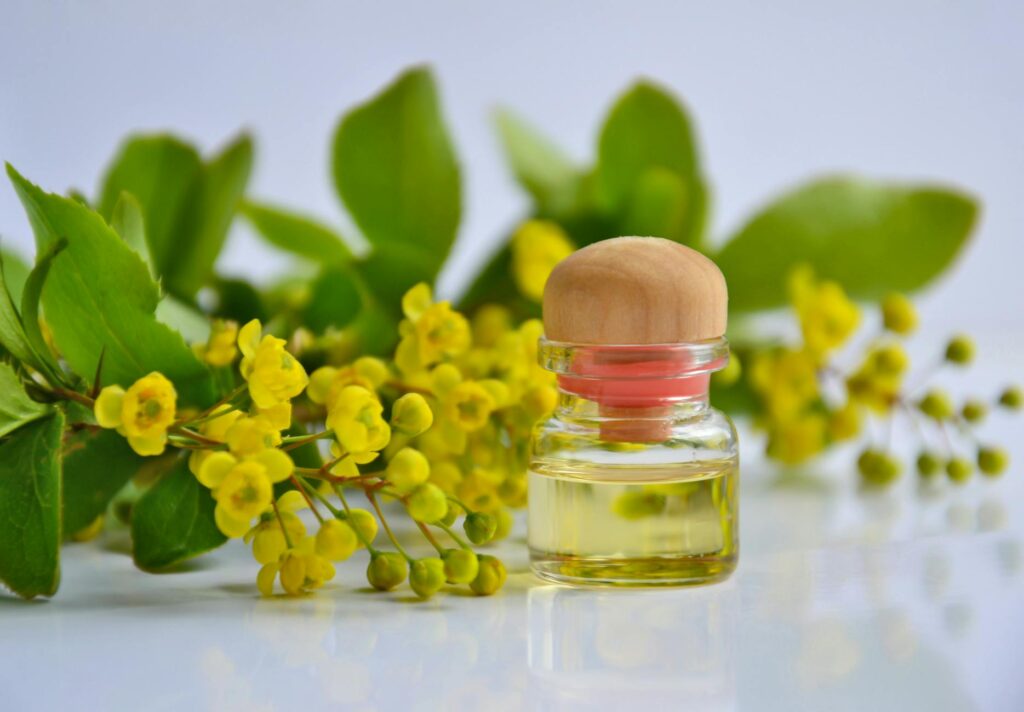
Health Benefits of Aromatherapy for Seasonal Mood Enhancement Blends
Introduction
Aromatherapy is a holistic practice that utilizes the natural properties of essential oils to promote physical and emotional well-being. As the seasons change, so too do our moods and emotional states. Many individuals find that certain times of the year can lead to feelings of melancholy, lethargy, or anxiety. Seasonal mood enhancement blends of essential oils can provide a natural means to uplift spirits, reduce stress, and enhance overall emotional health. This article explores the essence of aromatherapy, its benefits, applications, and practical considerations for creating seasonal mood enhancement blends.
What Is Aromatherapy for Seasonal Mood Enhancement Blends?
Aromatherapy involves using aromatic plant extracts, known as essential oils, to improve psychological and physical well-being. Seasonal mood enhancement blends specifically target the emotional fluctuations individuals may experience with seasonal changes. These blends are curated to evoke feelings of happiness, calm, and balance.
Essential oils are extracted from various parts of plants, including flowers, leaves, stems, and roots. Each oil possesses unique chemical properties that can influence mood and emotional states. By combining different essential oils, practitioners can create blends tailored to support mental health during specific seasons, such as winter blues or springtime rejuvenation.
Key Benefits and Properties
Aromatherapy offers various benefits that can enhance mood, especially during transitional seasons. Here are some key benefits associated with seasonal mood enhancement blends:
1. Emotional Balance: Essential oils can help stabilize emotions, providing relief from feelings of anxiety or sadness. Oils like bergamot and ylang-ylang are known for their uplifting properties.
2. Stress Reduction: Many essential oils reduce stress and promote relaxation. Lavender, for instance, is widely recognized for its calming effects and can help mitigate feelings of agitation.
3. Increased Energy: Certain oils, such as peppermint and lemon, can invigorate the mind and body, combating the lethargy often experienced during colder months.
4. Enhanced Mental Clarity: Some essential oils improve focus and concentration, making them beneficial during periods when mental fog is prevalent. Rosemary and basil are notable for their cognitive-enhancing properties.
5. Support for Sleep Quality: Seasonal changes can disrupt sleep patterns, especially during the transition to longer or shorter days. Oils like chamomile and sandalwood are known for their sedative effects, promoting restful sleep.
Common Uses
Seasonal mood enhancement blends can be utilized in various contexts, providing flexibility in their application. Some common uses include:
- Diffusion: Using an essential oil diffuser disperses the aromatic compounds into the air, creating a fragrant atmosphere that can alter mood and ambiance.
- Topical Application: Blending essential oils with a carrier oil allows for application on the skin. This can be particularly effective for localized relief or relaxation.
- Bathing: Adding essential oils to bathwater can create a soothing experience that is both aromatic and therapeutic.
- Inhalation: Direct inhalation of essential oils from a bottle or a tissue can provide immediate emotional support and stress relief.
- Massage: Incorporating essential oils into massage therapy can enhance relaxation and improve mood through the dual effects of touch and aroma.
- 3 drops of cedarwood
- 2 drops of orange
- 2 drops of frankincense
- 1 drop of bergamot
- 3 drops of lemon
- 2 drops of lavender
- 2 drops of rosemary
- 1 drop of geranium
- 3 drops of peppermint
- 2 drops of eucalyptus
- 2 drops of grapefruit
- 1 drop of basil
- 3 drops of cinnamon
- 2 drops of clary sage
- 2 drops of patchouli
- 1 drop of orange
- Dark Glass Containers: Store essential oils in dark glass bottles to protect them from light exposure, which can degrade their quality.
- Cool and Dry Environment: Keep oils in a cool, dry place away from heat sources and direct sunlight to extend their shelf life.
- Shelf Life: Essential oils vary in shelf life; citrus oils typically last 1-2 years, while woody oils can last up to 5 years. Always check for signs of deterioration, such as changes in color or scent.
Aromatherapy Applications
Creating seasonal mood enhancement blends requires a thoughtful selection of essential oils, taking into account their properties and intended effects. Below are some recommended blends for different seasons:
Winter Blend
Ingredients:
Properties: This blend combines grounding and uplifting oils to combat winter blues, invoking feelings of warmth and comfort.
Spring Blend
Ingredients:
Properties: This invigorating blend captures the essence of spring, promoting clarity and revitalization as nature awakens.
Summer Blend
Ingredients:
Properties: This refreshing blend energizes and uplifts, providing relief from the heat while invigorating the senses.
Autumn Blend
Ingredients:
Properties: This warm and spicy blend fosters comfort and reflection, perfect for the transition into the colder months.
Safety Considerations
While aromatherapy is generally safe, certain precautions should be taken to ensure a positive experience:
1. Dilution: Always dilute essential oils with a carrier oil before applying to the skin to minimize the risk of irritation.
2. Patch Test: Conduct a patch test on a small area of skin before using a new essential oil to check for allergic reactions.
3. Pregnancy and Nursing: Pregnant or nursing individuals should consult a healthcare professional before using essential oils.
4. Medical Conditions: Individuals with certain medical conditions or those taking medications should seek advice from a healthcare provider before incorporating essential oils into their routine.
5. Quality of Essential Oils: Opt for high-quality, pure essential oils from reputable sources to ensure safety and efficacy.
Storage and Shelf Life
Proper storage of essential oils is crucial for preserving their potency and effectiveness. Here are some guidelines:
Frequently Asked Questions
Can aromatherapy help with seasonal affective disorder (SAD)?
While aromatherapy may provide emotional support during seasonal changes, it is not a substitute for professional treatment. Individuals experiencing significant mood disturbances should consult a healthcare provider.
How do I choose the right essential oils for my mood?
Consider the emotional effects you wish to achieve and select oils known for those properties. Researching the benefits of different oils can help guide your choices.
Are there any contraindications for using essential oils?
Yes, certain essential oils may not be suitable for individuals with specific health conditions or those taking certain medications. Always consult a healthcare professional if unsure.
How often should I use aromatherapy for mood enhancement?
Frequency of use can vary based on individual preferences and needs. It is generally safe to use aromatherapy daily, but listening to your body and adjusting accordingly is essential.
Can children use aromatherapy?
Children can benefit from aromatherapy, but it is crucial to use oils that are safe for their age group and to dilute them properly. Consultation with a healthcare provider is recommended.
Conclusion
Aromatherapy offers a natural and effective approach to enhance mood during seasonal changes. By understanding the properties of essential oils and creating tailored blends, individuals can cultivate a positive emotional environment year-round. Whether through diffusion, topical application, or self-care rituals, the integration of aromatherapy into daily life can foster emotional balance, reduce stress, and promote overall well-being. As always, exercising caution and seeking guidance when necessary will ensure a safe and rewarding experience in the world of aromatherapy.