
Health Benefits of Aromatherapy for Seasonal Mood Regulation Blends
Introduction
As the seasons shift, so too can our moods and emotional well-being. Many individuals experience fluctuations in their emotional states, particularly during transitional periods such as the onset of winter or the arrival of spring. Aromatherapy, the practice of using essential oils derived from plants for therapeutic purposes, has gained traction as a natural approach to support mood regulation during these times. This article explores the health benefits of aromatherapy specifically tailored for seasonal mood regulation, detailing the properties of selected essential oils, their applications, and essential safety considerations.
What Is Aromatherapy for Seasonal Mood Regulation Blends?
Aromatherapy involves the use of essential oils extracted from various plants, including flowers, leaves, bark, and roots. These oils are believed to possess unique aromatic and therapeutic properties that can influence emotional and psychological states. Seasonal mood regulation blends are specially formulated combinations of essential oils designed to promote emotional balance during specific times of the year.
For instance, during the darker months, individuals may seek uplifting blends to combat feelings of sadness or lethargy. Conversely, during spring, blends may aim to foster calmness and clarity as nature awakens. Each blend is thoughtfully curated to harness the synergistic effects of multiple essential oils, promoting a holistic approach to emotional well-being.
Key Benefits and Properties
The effectiveness of aromatherapy for mood regulation hinges on the unique properties of individual essential oils. Here are some commonly used oils and their respective benefits:
1. Lavender (Lavandula angustifolia)
Lavender is renowned for its calming properties, often used to alleviate stress and anxiety. Its soothing aroma may help promote relaxation and improve sleep quality, making it ideal for nighttime use.
2. Bergamot (Citrus bergamia)
Bergamot essential oil has uplifting qualities. It is often used to reduce feelings of sadness and anxiety. Its citrusy aroma can invigorate the mind and promote a positive mood.
3. Peppermint (Mentha piperita)
Peppermint is refreshing and energizing. Its invigorating properties can help stimulate mental clarity and focus, making it beneficial during periods of lethargy.
4. Frankincense (Boswellia serrata)
Frankincense is often associated with grounding and meditative qualities. Its rich, warm scent can promote feelings of peace and tranquility, making it a wonderful addition to blends aimed at reducing stress.
5. Ylang Ylang (Cananga odorata)
Ylang Ylang is known for its sweet, floral aroma, which can have aphrodisiac effects. It is often used to enhance emotional balance and promote feelings of joy and happiness.
6. Citrus Oils (e.g., Lemon, Orange)
Citrus oils are typically uplifting and energizing. They can help enhance mood and alleviate feelings of anxiety or depression, making them excellent choices for seasonal blends.
Common Uses
Aromatherapy for seasonal mood regulation can be employed in various contexts, including:
- Home Diffusion: Using a diffuser to disperse essential oils into the air can create a calming or uplifting atmosphere in your living space.
- Topical Application: Diluting essential oils in a carrier oil and applying them to the skin can provide localized benefits. This method is often used for stress relief or to promote relaxation.
- Bathing: Adding essential oils to a warm bath can provide both physical and emotional benefits, enhancing relaxation and reducing tension.
- Inhalation: Simply inhaling the aroma of essential oils directly from the bottle or from a cotton ball can provide immediate mood support.
- Ingredients: 3 drops Bergamot, 2 drops Lavender, 2 drops Frankincense
- Application: Diffuse in a living room or use in a bath to combat winter blues and promote relaxation.
- Ingredients: 3 drops Lemon, 2 drops Peppermint, 2 drops Ylang Ylang
- Application: Use in a diffuser during morning routines to promote energy and mental clarity.
- Ingredients: 3 drops Lavender, 2 drops Ylang Ylang, 2 drops Bergamot
- Application: Apply topically on pulse points or diffuse to create a tranquil environment.
- Ingredients: 3 drops Frankincense, 2 drops Cedarwood, 2 drops Orange
- Application: Use in a diffuser to create a cozy atmosphere, ideal for reflecting on the changing seasons.
- Dilution: Essential oils should be diluted in a carrier oil (like jojoba or coconut oil) before being applied to the skin to avoid irritation.
- Sensitivity Testing: Perform a patch test on a small area of skin to check for allergic reactions before using a blend more broadly.
- Pregnancy and Medical Conditions: Consult with a healthcare professional before using essential oils if pregnant, nursing, or if you have pre-existing medical conditions.
- Quality of Oils: Use high-quality, pure essential oils from reputable sources to ensure safety and effectiveness.
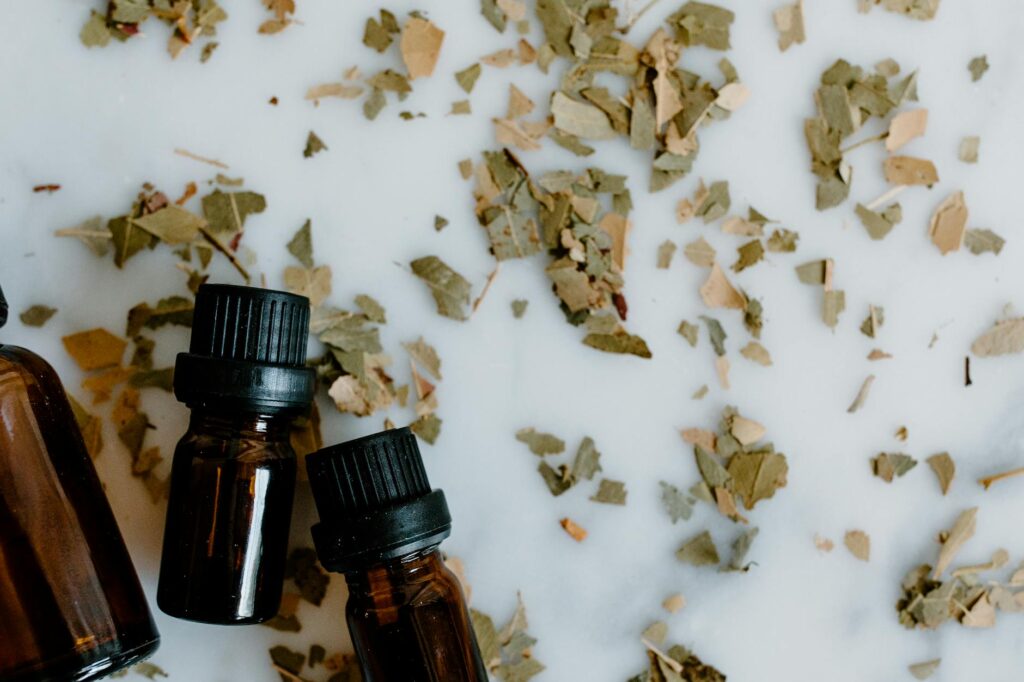
- Storage: Keep essential oils in a cool, dark place, away from direct sunlight and heat sources. Dark glass bottles are preferred as they protect oils from light degradation.
- Shelf Life: While essential oils can last for several years, their shelf life varies by type. Citrus oils tend to have a shorter shelf life (1-2 years), while oils like patchouli and sandalwood may last much longer (up to 10 years or more).
Aromatherapy Applications
Creating effective seasonal mood regulation blends involves understanding the desired emotional outcome and selecting appropriate essential oils. Here are some example blends tailored for different seasonal needs:
Winter Uplift Blend
Spring Clarity Blend
Summer Calm Blend
Autumn Grounding Blend
Safety Considerations
While aromatherapy is generally safe when used properly, it is essential to consider a few safety guidelines:
Storage and Shelf Life
Proper storage of essential oils is crucial to maintain their integrity and potency. Here are some guidelines:
Frequently Asked Questions
1. Can aromatherapy really affect my mood?
Yes, many people report positive effects on their mood when using aromatherapy. The aroma of essential oils can influence the brain’s limbic system, which is involved in emotional regulation.
2. How do I choose the right essential oils for my needs?
Selecting essential oils depends on your personal preferences and the mood you wish to achieve. Research the properties of various oils and consider creating blends that resonate with your emotional goals.
3. Are there any side effects associated with essential oils?
While essential oils are generally safe, some individuals may experience allergic reactions or skin irritation. Always perform a patch test and consult a healthcare professional if you have concerns.
4. How often can I use aromatherapy?
You can use aromatherapy as often as needed, but it is advisable to take breaks every few hours to prevent sensory overload.
5. Can I use aromatherapy for children or pets?
Many essential oils are safe for children and pets, but it is crucial to research specific oils and consult a professional for guidance.
In summary, aromatherapy offers a versatile and holistic approach to seasonal mood regulation, utilizing the unique properties of essential oils to influence emotional well-being. When used thoughtfully, these natural blends can enhance one’s quality of life, providing comfort and balance throughout the changing seasons.