
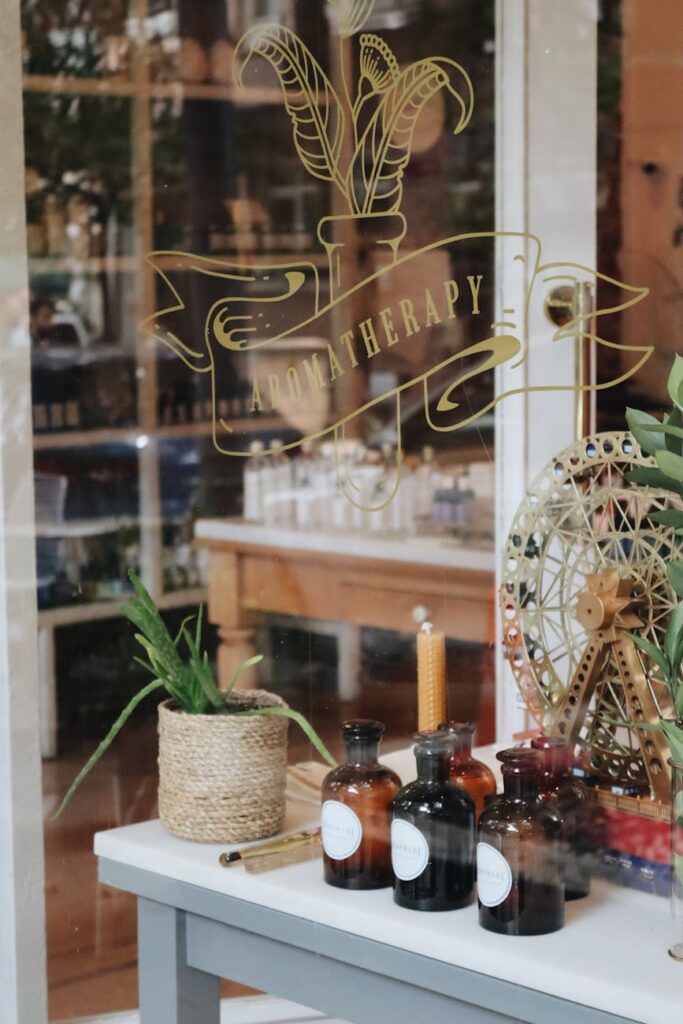
Health Benefits of Aromatherapy for Skin Care Blends
Introduction
Aromatherapy, a holistic healing practice that utilizes the aromatic properties of essential oils, has gained considerable popularity in recent years. Among its many applications, skin care blends stand out for their potential to enhance skin health, improve mood, and promote overall well-being. This article explores the various aspects of aromatherapy in skin care, including its benefits, common uses, and safety considerations.
What Is Aromatherapy for Skin Care Blends?
Aromatherapy for skin care involves the use of essential oils—highly concentrated plant extracts that capture the aromatic essence of the plant. These oils are often combined with carrier oils, such as jojoba, almond, or coconut oil, to create blends suitable for topical application. The synergy between essential oils and their botanical properties can offer a range of benefits for skin health, including hydration, nourishment, and soothing effects.
Key Benefits and Properties
1. Hydration and Moisturization
Many essential oils possess hydrating properties that can help maintain skin moisture and elasticity. Oils like lavender and geranium are known for their ability to balance oil production, making them beneficial for both oily and dry skin types. When blended with carrier oils, these essential oils can penetrate the skin, delivering hydration and nutrients effectively.
2. Anti-Inflammatory Effects
Inflammation is a common factor in various skin conditions, including acne, eczema, and rosacea. Essential oils such as tea tree, chamomile, and frankincense are renowned for their anti-inflammatory properties. These oils can help alleviate redness, swelling, and irritation, promoting a more even skin tone.
3. Antimicrobial and Antifungal Properties
Certain essential oils have demonstrated antimicrobial and antifungal properties, making them useful in combating skin infections and conditions. Tea tree oil, for example, is widely recognized for its ability to target acne-causing bacteria, while oils like oregano and thyme can help fight fungal infections.
4. Anti-Aging Benefits
The aging process can lead to the formation of fine lines, wrinkles, and loss of skin elasticity. Essential oils such as rose, sandalwood, and geranium are often included in skin care blends for their rejuvenating properties. These oils may help improve skin texture, promote cell regeneration, and enhance overall skin appearance.
5. Aromatic Relaxation
The olfactory benefits of aromatherapy cannot be overlooked. The scents of essential oils can have a profound impact on mood and emotional well-being. Blends that include calming oils like lavender and bergamot can help reduce stress and anxiety, creating a holistic approach to skincare that addresses both physical and emotional health.
Common Uses
1. Facial Serums
Aromatherapy blends can be incorporated into facial serums to provide targeted benefits for various skin concerns. Formulations may include oils for hydration, anti-aging, or acne treatment, depending on individual needs.
2. Moisturizers
Combining essential oils with carrier oils can create rich moisturizers that nourish the skin. These blends can be used daily to maintain hydration and overall skin health.
3. Face Masks
Essential oils can be added to homemade or commercial face masks for added benefits. Ingredients like clay, honey, or yogurt can be combined with essential oils for a rejuvenating treatment that cleanses and nourishes the skin.
4. Bath Oils
Adding essential oils to bathwater can create a relaxing and therapeutic experience. Blends designed for the skin can help hydrate and soften while providing aromatic benefits.
5. Massage Oils
Incorporating aromatherapy into massage oils can enhance the experience, providing both physical relaxation and skin nourishment. This is particularly beneficial in spa settings.
Aromatherapy Applications
1. Dilution
Essential oils are potent and must be diluted in carrier oils before application to the skin. A common dilution ratio is 1-2% for facial applications and up to 5% for body applications. This typically translates to 1-2 drops of essential oil per teaspoon of carrier oil.
2. Patch Testing
Before using a new essential oil blend, it is advisable to conduct a patch test. Apply a small amount of the diluted oil to a discreet area of skin and monitor for any adverse reactions over 24 hours.
3. Diffusion
While not a topical application, diffusing essential oils in a room can enhance the overall aromatherapy experience. The scents can create a calming environment conducive to relaxation and well-being.
4. Inhalation
Inhaling the aroma directly from a bottle or a cotton ball can provide immediate emotional benefits. This method is particularly effective for stress relief and mood enhancement.
Safety Considerations
1. Skin Sensitivity: Some individuals may experience allergic reactions or skin sensitivities to certain essential oils. It is crucial to research each oil and consult with a knowledgeable source if unsure.
2. Phototoxicity: Certain citrus oils, such as bergamot and lemon, can cause skin sensitivity when exposed to sunlight. It is advisable to avoid sun exposure after applying these oils.
3. Pregnancy and Nursing: Pregnant or nursing individuals should consult with a healthcare professional before using essential oils, as some may not be safe during these periods.
4. Children: Many essential oils are not recommended for children under a certain age. It is best to seek guidance to ensure the safety and suitability of essential oils for younger skin.
Storage and Shelf Life
Proper storage is essential for maintaining the efficacy of essential oils. They should be stored in a cool, dark place, ideally in amber or cobalt glass bottles to protect them from light and heat. Most essential oils have a shelf life of 1-3 years, while carrier oils can vary. Regularly check for changes in scent or consistency to ensure quality.
Frequently Asked Questions
1. Can I use essential oils directly on my skin?
No, essential oils should always be diluted in a carrier oil before topical application to avoid irritation or adverse reactions.
2. How do I choose the right essential oils for my skin type?
Research the properties of various essential oils to determine which ones align with your skin care needs. For example, tea tree oil may be beneficial for acne-prone skin, while rose oil is often recommended for dry or mature skin.
3. Are there any essential oils that should be avoided?
Certain oils, such as those that are phototoxic or known allergens, should be avoided or used with caution. Always conduct thorough research or consult with a professional before use.
4. How often can I use aromatherapy skin care blends?
The frequency of use can vary based on individual skin type and specific formulations. Generally, blends can be used daily, but it’s best to monitor skin response and adjust accordingly.
5. Can aromatherapy replace traditional skin care routines?
While aromatherapy can complement traditional skin care, it is not intended to replace medical treatments or a dermatologist’s advice. It should be considered a holistic approach to enhancing overall skin health.
Conclusion
Aromatherapy for skin care blends offers a multifaceted approach to skin health, combining the therapeutic properties of essential oils with the nurturing effects of carrier oils. By understanding the benefits, applications, and safety considerations, individuals can harness the power of aromatherapy to enhance their skin care routines. As with any holistic practice, a mindful approach is essential for maximizing benefits and ensuring safety.