
Health Benefits of Aromatherapy for Sleep Disorders Blends
Introduction
In a fast-paced world where stress and anxiety frequently disrupt our ability to unwind, the quest for restful sleep has led many individuals to explore alternative therapies. Aromatherapy, a holistic healing practice that utilizes essential oils for therapeutic benefits, has gained popularity as a natural approach to improving sleep quality. This article delves into the concept of aromatherapy specifically for sleep disorders blends, exploring its benefits, applications, and safety considerations.
What Is Aromatherapy for Sleep Disorders Blends?
Aromatherapy involves the use of volatile plant extracts, known as essential oils, to enhance physical and emotional well-being. When it comes to sleep disorders, aromatherapy blends are combinations of various essential oils specifically selected for their calming and soothing properties. These blends are formulated to address common sleep-related issues such as insomnia, restlessness, and anxiety.
Common essential oils used in sleep blends include lavender, chamomile, bergamot, and sandalwood. Each oil possesses unique properties that contribute to relaxation and improved sleep quality. Aromatherapy for sleep disorders aims to create a calming environment that promotes restful sleep and alleviates the factors that hinder it.
Key Benefits and Properties
Aromatherapy blends for sleep disorders offer several potential benefits:
1. Promotes Relaxation
Essential oils such as lavender and chamomile are renowned for their calming effects. Inhaling these scents can stimulate the limbic system, the part of the brain that regulates emotions, leading to a sense of tranquility.
2. Reduces Anxiety and Stress
Many sleep disorders are exacerbated by anxiety and stress. Oils like bergamot and ylang-ylang have been shown to lower cortisol levels, the hormone associated with stress. This reduction can create a more conducive environment for sleep.
3. Improves Sleep Quality
Certain essential oils can enhance the quality of sleep by promoting deeper REM cycles. Oils like vetiver and frankincense are believed to improve sleep depth, allowing for restorative rest.
4. Eases Restlessness
For those who experience restlessness at night, oils such as marjoram and cedarwood can provide a soothing effect, helping to quiet racing thoughts and calm the body.
5. Supports Overall Well-being
The benefits of aromatherapy extend beyond sleep. Many essential oils possess antibacterial and anti-inflammatory properties, contributing to overall health and well-being.
Common Uses
Aromatherapy blends for sleep can be used in various ways to promote relaxation and improve sleep quality:
1. Diffusion
Using an essential oil diffuser is one of the most popular methods for dispersing aromatic compounds into the air. By adding a few drops of a sleep blend to a diffuser, individuals can create a calming atmosphere in their bedroom.
2. Topical Application
Diluting essential oils with a carrier oil (such as coconut or jojoba oil) and applying them to pulse points (like the wrists or temples) can provide direct calming effects. This method allows for the benefits of aromatherapy to be absorbed through the skin.
3. Bath Soaks
Adding a few drops of sleep-inducing essential oils to a warm bath can create a relaxing pre-sleep ritual. This practice not only soothes the mind but also relaxes the muscles, enhancing the overall sleep experience.
4. Pillow Sprays
Creating a pillow spray by mixing essential oils with water can help create a calming sleep environment. Spraying this blend on pillows or bedding can promote relaxation and signal the body that it is time to wind down.
5. Inhalation
For immediate relief from stress and anxiety, inhaling essential oils directly from the bottle or a cotton ball can provide rapid calming effects. This method is particularly useful for those who struggle with racing thoughts before bedtime.
Aromatherapy Applications
The application of aromatherapy for sleep disorders can be customized based on individual preferences. Here are some popular blends and their typical components:
1. Calming Lavender Blend
Ingredients: Lavender, chamomile, bergamot
This blend combines the soothing properties of lavender and chamomile with the uplifting aroma of bergamot, making it ideal for evening relaxation.
2. Restful Night Blend
Ingredients: Vetiver, cedarwood, ylang-ylang
Known for its grounding properties, this blend is perfect for those seeking deeper, more restorative sleep.
3. Sleepy Time Blend
Ingredients: Sweet marjoram, frankincense, sandalwood
This blend offers a warm, comforting scent that helps ease tension and promotes a sense of calm.
4. Herbal Sleep Blend
Ingredients: Roman chamomile, clary sage, lavender
Combining floral and herbal notes, this blend is excellent for creating a soothing bedtime atmosphere.
Safety Considerations
While aromatherapy is generally considered safe, there are some important safety considerations to keep in mind:
1. Dilution
Essential oils are highly concentrated and should always be diluted before topical application. A typical dilution ratio is 2-3 drops of essential oil per teaspoon of carrier oil.
2. Skin Sensitivity
Individuals with sensitive skin or allergies should perform a patch test before using essential oils topically. If irritation occurs, discontinue use immediately.
3. Pregnancy and Nursing
Certain essential oils may not be safe during pregnancy or breastfeeding. It is advisable to consult with a healthcare professional before using essential oils in these circumstances.
4. Children and Pets
Some essential oils are not suitable for children or pets. Always research the safety of specific oils before use and consult a qualified practitioner if in doubt.
5. Quality of Essential Oils
Not all essential oils are created equal. It is essential to source high-quality oils from reputable suppliers to ensure purity and effectiveness.
Storage and Shelf Life
Proper storage of essential oils is crucial for maintaining their potency and effectiveness. Here are some tips:
1. Store in Dark Glass Bottles
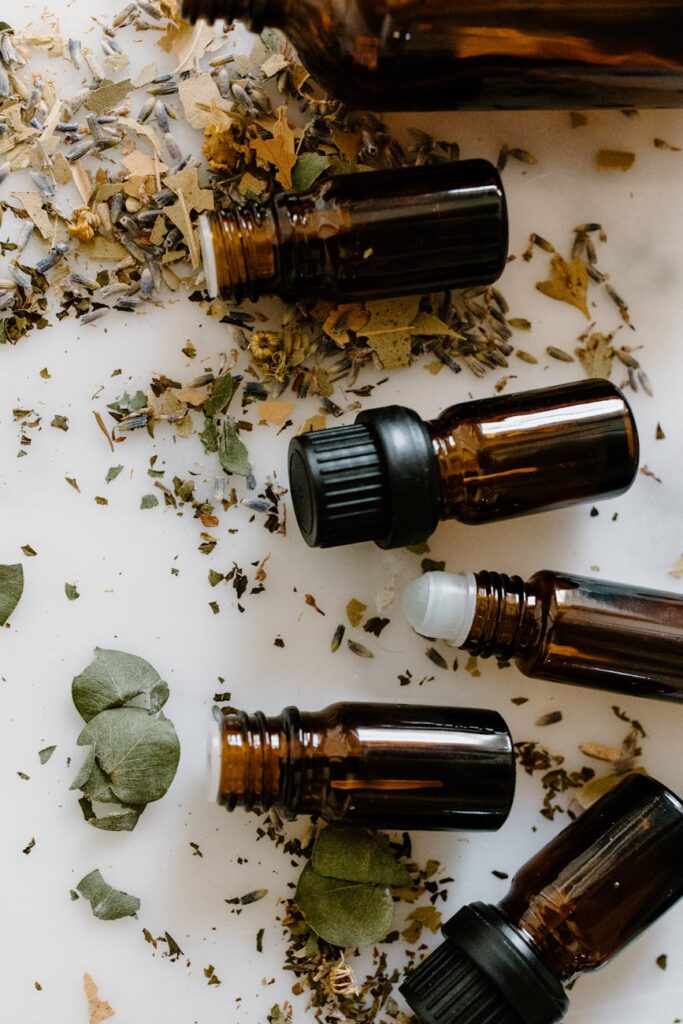
Essential oils should be stored in dark glass bottles to protect them from light and heat, which can degrade their quality.
2. Keep in a Cool, Dry Place
A cool, dry environment helps preserve the integrity of essential oils. Avoid storing them in areas with high humidity, such as bathrooms.
3. Check Expiration Dates
Essential oils have varying shelf lives, typically ranging from 1 to 5 years, depending on the type. Regularly check expiration dates and replace oils that have become rancid or have altered scents.
Frequently Asked Questions
1. How quickly can I expect results from aromatherapy for sleep disorders?
Results can vary from person to person. Some individuals may experience immediate relaxation, while others may need consistent use over several nights to notice significant improvements.
2. Can I mix different essential oils for my sleep blend?
Yes, blending different essential oils can enhance the overall effect. Experimenting with various combinations can lead to a personalized blend that works best for you.
3. How often should I use aromatherapy for sleep?
There are no strict guidelines on frequency. Many individuals incorporate aromatherapy into their nightly routine, using it every night or as needed.
4. Are there any contraindications for using aromatherapy?
While generally safe, it is important to consult a healthcare professional if you have underlying health conditions, are pregnant, or are taking medications that may interact with essential oils.
5. What is the best method for using essential oils for sleep?
The best method varies by individual preference. Diffusion, topical application, and inhalation are all effective methods. It is advisable to experiment with different techniques to find what works best for you.
Conclusion
Aromatherapy offers a natural approach to enhancing sleep quality and addressing sleep disorders. By harnessing the calming properties of essential oils, individuals can create a soothing environment conducive to restful sleep. While aromatherapy is not a substitute for professional medical treatment, it can be a valuable addition to a holistic approach to wellness and relaxation. Understanding the benefits, applications, and safety considerations of aromatherapy for sleep disorders allows individuals to make informed choices in their pursuit of better sleep.