
Health Benefits of Aromatherapy for Sleep Induction Enhancement Blends
Introduction
In an increasingly fast-paced world, many individuals struggle with sleep-related issues. The quest for restful sleep has led to the exploration of various methods, one of which is aromatherapy. This holistic approach utilizes essential oils obtained from plants to promote physical and psychological well-being. Aromatherapy for sleep induction enhancement blends focuses on specific combinations of essential oils that are believed to facilitate relaxation and improve sleep quality. This article will delve into the characteristics, benefits, and applications of these blends, providing a comprehensive overview for those interested in enhancing their sleep experience through aromatherapy.
What Is Aromatherapy for Sleep Induction Enhancement Blends?
Aromatherapy is a practice that harnesses the fragrant properties of essential oils derived from various plant materials. These oils contain volatile compounds that can influence the mind and body through olfactory stimulation. Sleep induction enhancement blends are specific combinations of these essential oils designed to promote relaxation, reduce anxiety, and create an environment conducive to sleep.
Commonly used essential oils in sleep blends include lavender, chamomile, sandalwood, and bergamot, among others. Each oil possesses unique properties that contribute to an overall calming effect. By blending different essential oils, users can create customized aromatherapy experiences tailored to their individual preferences and needs.
Key Benefits and Properties
1. Promotes Relaxation
Many essential oils in sleep induction blends are known for their calming effects. For instance, lavender has been extensively studied for its ability to reduce anxiety and promote relaxation. The soothing aroma helps to lower cortisol levels, the hormone associated with stress, thereby fostering a tranquil environment.
2. Improves Sleep Quality
Certain essential oils have been found to enhance sleep quality by promoting deeper sleep cycles. Oils like valerian root and cedarwood contain sedative properties that may help users achieve a more restful night’s sleep. Improved sleep quality can lead to enhanced cognitive function, mood stability, and overall health.
3. Reduces Anxiety and Stress
The use of essential oils can significantly reduce feelings of anxiety and stress. Oils such as bergamot and chamomile are known for their anxiolytic (anxiety-reducing) properties. Inhaling these fragrances can calm the nervous system, making it easier for individuals to unwind and prepare for sleep.
4. Enhances Emotional Well-being
Aromatherapy can also play a role in enhancing emotional well-being. The olfactory system is closely linked to the brain’s limbic system, which controls emotions. Scents like ylang-ylang and frankincense can evoke positive feelings and memories, contributing to a sense of comfort and security that is essential for sleep.
Common Uses
Aromatherapy blends for sleep induction can be utilized in various ways, allowing individuals to choose the method that best suits their preferences and lifestyle. Common applications include:
1. Diffusion
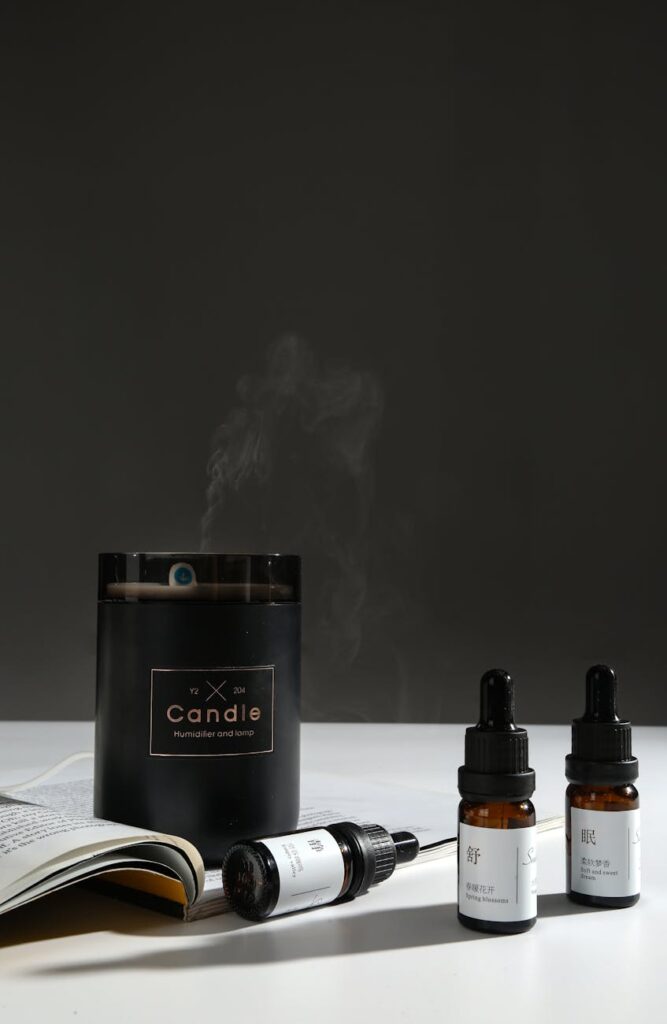
Using an essential oil diffuser is one of the most popular methods for dispersing the aroma of sleep blends throughout a room. By adding a few drops of the blend to the diffuser, individuals can create a calming atmosphere in their bedroom, promoting relaxation and sleepiness.
2. Topical Application
Some individuals prefer to apply essential oil blends directly to the skin. Diluting essential oils with a carrier oil—such as coconut or jojoba oil—can make topical application safe and effective. Popular areas for application include the wrists, temples, and the nape of the neck.
3. Inhalation
Inhaling essential oils directly from the bottle or using an inhaler specifically designed for aromatherapy can deliver immediate effects. This method allows for quick access to the calming properties of the oils, making it useful during times of acute stress or anxiety.
4. Bathing
Adding essential oils to a warm bath can create a soothing ritual before bedtime. The combination of warm water and aromatic oils can enhance relaxation, making it easier to transition into sleep.
Aromatherapy Applications
Aromatherapy for sleep induction enhancement blends can be adapted to various contexts and practices. Here are some popular applications:
1. Sleep Rituals
Incorporating aromatherapy into bedtime rituals can greatly enhance the sleep experience. Simple practices such as diffusing calming scents, reading a book, or practicing meditation can create a conducive environment for sleep.
2. Meditation and Mindfulness
Using sleep induction blends during meditation or mindfulness practices can deepen relaxation and enhance focus. The calming aromas can help ground practitioners, making it easier to let go of daily stressors.
3. Sleep Environment
Creating a sleep-friendly environment is crucial for achieving quality rest. Aromatherapy blends can be used in combination with other sleep hygiene practices, such as maintaining a dark and cool room, to foster a holistic approach to sleep improvement.
Safety Considerations
While aromatherapy is generally considered safe for most individuals, certain precautions should be taken:
1. Skin Sensitivity
Some individuals may experience skin irritation from essential oils. It is advisable to perform a patch test before applying oils topically. Diluting essential oils with a carrier oil is essential to minimize the risk of irritation.
2. Allergies
Individuals with allergies or sensitivities should exercise caution. It is important to research each essential oil and consult with a healthcare professional if there are concerns about potential allergic reactions.
3. Pregnancy and Nursing
Pregnant and nursing individuals should consult with a healthcare professional before using essential oils, as some oils may not be suitable during these periods.
4. Quality of Oils
The quality of essential oils varies significantly among brands. It is vital to choose high-quality, pure essential oils to ensure safety and efficacy. Look for reputable suppliers and consider certifications that indicate the purity and quality of the oils.
Storage and Shelf Life
Proper storage of essential oils is essential for maintaining their potency and effectiveness. Here are some guidelines:
1. Storage Conditions
Essential oils should be stored in a cool, dark place to prevent degradation. Exposure to light, heat, and humidity can compromise the quality of the oils.
2. Containers
Using dark glass containers can help protect essential oils from light damage. Additionally, tightly sealing the containers can prevent oxidation and evaporation.
3. Shelf Life
The shelf life of essential oils varies depending on the type and storage conditions. Most essential oils can last between one to three years if stored properly. It is advisable to check for any changes in aroma or consistency before use.
Frequently Asked Questions
1. Can aromatherapy really help with sleep?
Many individuals find that certain essential oils can promote relaxation and improve sleep quality. While scientific studies support some of these claims, the effectiveness may vary from person to person.
2. How do I choose the right essential oils for sleep?
Selecting essential oils for sleep largely depends on personal preferences and experiences. Popular choices include lavender, chamomile, and sandalwood. Experimenting with different combinations can help identify which scents are most effective for you.
3. How long before bed should I use aromatherapy?
Using aromatherapy approximately 30 minutes to an hour before bedtime can help create a calming environment and prepare the mind and body for sleep.
4. Are there any side effects associated with aromatherapy?
While aromatherapy is generally safe, some individuals may experience allergic reactions or skin irritation. It is important to perform patch tests and consult with a healthcare professional if you have concerns.
Conclusion
Aromatherapy for sleep induction enhancement blends offers a natural and holistic approach to improving sleep quality. By harnessing the unique properties of essential oils, individuals can create calming environments and rituals that promote relaxation and emotional well-being. While aromatherapy may not be a panacea for sleep disorders, its potential benefits make it a valuable tool for those seeking better sleep. As with any wellness practice, it is essential to approach aromatherapy with an informed perspective, prioritizing safety and personal preference.