
Health Benefits of Aromatherapy Roll-Ons
Introduction
Aromatherapy, a holistic practice that utilizes the natural properties of essential oils, has gained popularity as a complementary approach to well-being. Among its many forms, aromatherapy roll-ons are particularly favored for their convenience and ease of application. These portable solutions combine the therapeutic benefits of essential oils with a user-friendly format, allowing individuals to incorporate aromatherapy into their daily routines. In this article, we will explore what aromatherapy roll-ons are, their key benefits and properties, common uses, applications, safety considerations, and more.
What Is Aromatherapy Roll-Ons?
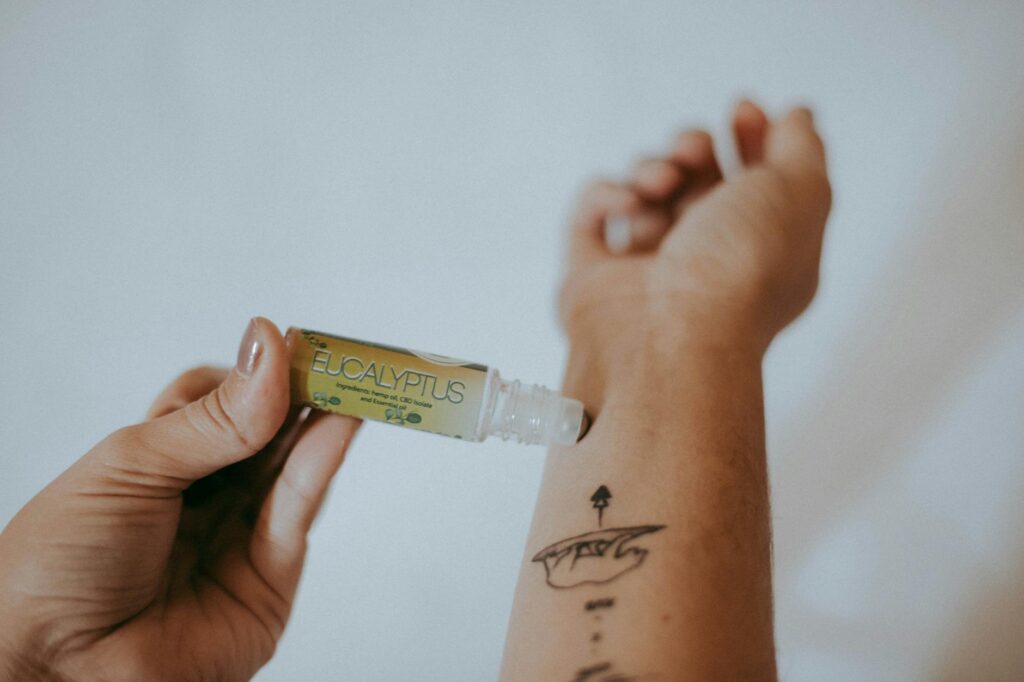
Aromatherapy roll-ons are small bottles that contain a blend of essential oils diluted in a carrier oil, designed for easy topical application. The roll-on applicator allows for precise delivery of the oils to specific areas of the body. This method not only ensures that the essential oils are used effectively but also minimizes the risk of spills and wastage.
Typically, these blends are pre-formulated for various purposes, such as relaxation, focus, or relief from discomfort. Common carrier oils include jojoba oil, fractionated coconut oil, or sweet almond oil, which not only dilute the essential oils to safe concentrations but also provide moisturizing benefits to the skin.
Key Benefits and Properties
1. Convenience and Portability: Aromatherapy roll-ons are compact and easy to carry, making them an ideal option for on-the-go use. Whether at work, traveling, or at home, they can be easily applied as needed.
2. Targeted Application: The roll-on applicator allows users to apply essential oils directly to pulse points, such as wrists, neck, or behind the ears, where the oils can be absorbed effectively.
3. Blended Formulations: Many roll-ons feature synergistic blends of various essential oils, each chosen for its specific properties. This combination enhances the overall effectiveness, targeting multiple wellness goals simultaneously.
4. User-Friendly: Unlike traditional aromatherapy methods, which may require diffusers or other equipment, roll-ons are straightforward and intuitive, making them accessible to individuals new to aromatherapy.
5. Aromatherapeutic Properties: Different essential oils possess unique properties. For example, lavender is often associated with relaxation, while peppermint may promote alertness. The use of these oils in roll-ons allows for a tailored aromatherapy experience.
Common Uses
Aromatherapy roll-ons can be employed for various purposes, including:
1. Stress Relief: Roll-ons containing calming oils like lavender or chamomile can be used during stressful moments to promote relaxation and reduce anxiety levels.
2. Focus and Clarity: Formulations with peppermint, rosemary, or citrus oils can be beneficial for enhancing mental clarity and concentration, making them ideal for study or work environments.
3. Sleep Support: Many users apply roll-ons with sedative essential oils, such as bergamot or frankincense, to help create a conducive atmosphere for restful sleep.
4. Mood Enhancement: Citrus oils like lemon or orange are often used to uplift mood and create a positive environment, making them popular choices for daytime use.
5. Muscle Relief: Blends containing oils such as eucalyptus or ginger can provide soothing effects on sore muscles, making them useful after exercise or a long day.
Aromatherapy Applications
While the most common method of application is topical, there are various ways to utilize aromatherapy roll-ons effectively:
1. Pulse Points: Applying roll-ons to pulse points allows for the quick diffusion of the aroma and enhances absorption due to increased blood flow in these areas.
2. Inhalation: Users may gently roll the applicator near their nose and inhale the scent to experience the immediate aromatic benefits, particularly useful for stress relief or energizing effects.
3. Massage: Roll-ons can be used during self-massage, where the physical act of massaging can further enhance the therapeutic effects of the essential oils.
4. Meditation and Mindfulness: Incorporating roll-ons into meditation practices can aid in creating a serene environment, enhancing focus, and promoting mindfulness.
Safety Considerations
Although aromatherapy roll-ons are generally considered safe for topical use, certain precautions should be taken:
1. Dilution: Essential oils are potent and should always be diluted with a carrier oil before application to avoid skin irritation.
2. Patch Test: It is advisable to perform a patch test on a small area of skin to check for any allergic reactions before widespread use.
3. Avoid Sensitive Areas: Roll-ons should not be applied to sensitive areas such as the eyes, mucous membranes, or broken skin.
4. Pregnancy and Health Conditions: Pregnant individuals or those with specific health conditions should consult with a healthcare professional before using essential oils.
5. Children and Pets: Caution should be exercised when using essential oils around young children or pets, as some oils may be harmful to them.
Storage and Shelf Life
Proper storage of aromatherapy roll-ons is essential for maintaining their efficacy:
1. Cool, Dark Place: Store roll-ons in a cool, dark place, away from direct sunlight and heat, to prevent the degradation of essential oils.
2. Tightly Sealed: Ensure that the bottles are tightly sealed to avoid evaporation and contamination.
3. Shelf Life: While the shelf life can vary, most properly stored roll-ons retain their potency for about 6 to 12 months. Regularly check for changes in scent or consistency, which may indicate spoilage.
Frequently Asked Questions
1. Can I create my own aromatherapy roll-ons?
Yes, many individuals choose to create their own blends tailored to their personal preferences. It is important to research the properties of essential oils and ensure proper dilution.
2. How often can I apply aromatherapy roll-ons?
The frequency of application can vary based on personal preference and the specific blend used. Generally, they can be applied as needed throughout the day.
3. Are there any essential oils I should avoid?
Certain essential oils, such as those derived from wintergreen or birch, should be avoided in topical applications due to their potential toxicity. Always research each oil before use.
4. Can I use aromatherapy roll-ons while pregnant?
While some essential oils are considered safe during pregnancy, others may not be. It is recommended to consult a healthcare professional before using any essential oils during pregnancy.
5. How do I know if an essential oil is of good quality?
Look for essential oils that are labeled as pure, therapeutic grade, and organic. Reputable brands will often provide information about sourcing and testing for quality assurance.
Conclusion
Aromatherapy roll-ons offer a simple yet effective way to harness the benefits of essential oils in daily life. Their convenience, targeted application, and diverse formulations make them a popular choice for individuals seeking to enhance their well-being naturally. By understanding the properties, uses, and safety considerations associated with these roll-ons, users can enjoy a more enriching aromatherapy experience. Whether for relaxation, focus, or relief, these little bottles of therapeutic goodness hold the potential to transform everyday moments into opportunities for enhanced wellness.