
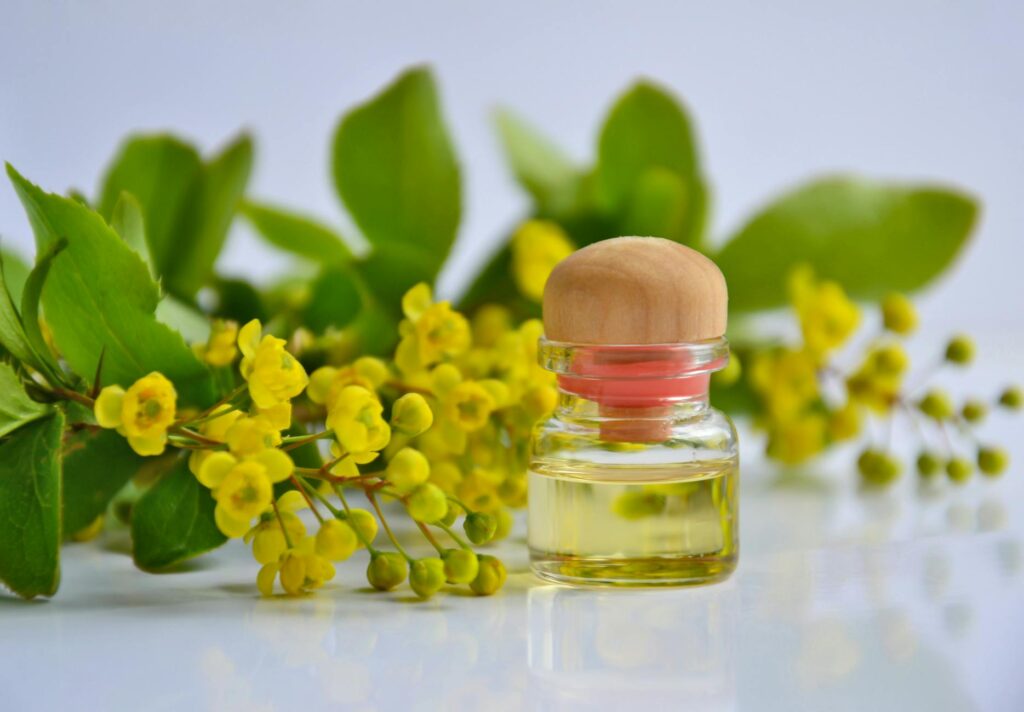
Health Benefits of Ashwagandha Extract
Introduction
Ashwagandha, scientifically known as Withania somnifera, is an ancient medicinal herb that has been a cornerstone of Ayurvedic medicine for thousands of years. Commonly referred to as “Indian ginseng” or “winter cherry,” this adaptogenic herb is renowned for its numerous health benefits. As interest in natural remedies continues to grow globally, ashwagandha extract has gained prominence in the fields of wellness and holistic health. This article explores the various aspects of ashwagandha extract, including its properties, uses, and safety considerations.
What Is Ashwagandha Extract?
Ashwagandha extract is derived from the root and leaves of the ashwagandha plant. The name “ashwagandha” translates to “smell of the horse” in Sanskrit, which is a reference to the herb’s potential to enhance strength and vitality. The extract is typically concentrated to provide higher levels of bioactive compounds, including withanolides, alkaloids, and flavonoids. These compounds are believed to contribute to the herb’s adaptogenic properties—its ability to help the body adapt to stress and maintain balance.
Key Benefits and Properties
1. Stress and Anxiety Reduction
One of the most celebrated benefits of ashwagandha extract is its potential to reduce stress and anxiety. Research suggests that it may help lower cortisol levels, the hormone responsible for stress response. This property makes it a popular choice for individuals seeking natural ways to manage stress.
2. Enhanced Mood
Ashwagandha may also support mood stabilization. Studies have indicated that it could have antidepressant-like effects, making it a consideration for those experiencing mild depressive symptoms.
3. Improved Sleep Quality
Many users report improved sleep quality when taking ashwagandha extract. Its calming properties may help reduce insomnia and enhance overall sleep patterns, allowing for more restorative rest.
4. Cognitive Function
Some studies suggest that ashwagandha may support cognitive function and memory. By reducing oxidative stress and inflammation in the brain, it may help promote mental clarity and focus.
5. Immune System Support
The antioxidant properties of ashwagandha extract are believed to bolster the immune system. By combating free radicals and reducing inflammation, it may help the body ward off illnesses.
6. Physical Performance
Traditionally, ashwagandha has been used to enhance physical stamina and strength. Some studies have shown that it may improve athletic performance, muscle strength, and recovery times.
7. Hormonal Balance
Ashwagandha may also play a role in supporting hormonal balance, particularly in men. It has been linked to improved testosterone levels and reproductive health.
Common Uses
Ashwagandha extract is versatile and can be found in various forms, including capsules, powders, tinctures, and teas. It is commonly used for:
- Stress Relief: Taken as a daily supplement to help manage stress and anxiety.
- Sleep Aids: Incorporated into nighttime routines for improved sleep quality.
- Physical Performance: Used by athletes and fitness enthusiasts to enhance athletic performance.
- Cognitive Support: Taken to boost concentration and memory.
- Temperature: Store in a cool, dry place away from direct sunlight.
- Container: Keep the extract in an airtight container to prevent exposure to moisture and air.
- Shelf Life: Depending on the form, ashwagandha generally has a shelf life of 1-2 years. Always check for expiration dates and signs of spoilage before use.
Aromatherapy Applications
While ashwagandha is primarily known for its oral consumption, it can also be incorporated into aromatherapy practices. Essential oils derived from the plant are sometimes used to create calming blends. Here are a few ways ashwagandha can be applied in aromatherapy:
1. Calming Blends
When combined with other calming essential oils such as lavender or chamomile, ashwagandha can enhance the overall soothing effect, making it beneficial for relaxation and stress relief.
2. Diffusion
Using an essential oil diffuser, ashwagandha oil can be diffused into the air, creating a tranquil environment that may promote relaxation and mental clarity.
3. Massage Oils
Ashwagandha-infused oils can be used in massage therapy, providing both relaxation and potential benefits for muscle recovery.
Safety Considerations
While ashwagandha is generally considered safe for most individuals, there are certain precautions to keep in mind:
1. Dosage
It is essential to adhere to recommended dosages when using ashwagandha extract. High doses may lead to gastrointestinal upset or other side effects.
2. Pregnant and Nursing Women
Pregnant or nursing women should consult a healthcare provider before using ashwagandha, as its safety during pregnancy has not been firmly established.
3. Interactions with Medications
Ashwagandha may interact with certain medications, including sedatives, thyroid medications, and immunosuppressants. Always consult with a healthcare professional before starting any new supplement, especially if you are on medication.
4. Pre-existing Conditions
Individuals with specific health conditions, such as hyperthyroidism or autoimmune diseases, should exercise caution and consult a healthcare provider before using ashwagandha.
Storage and Shelf Life
To maintain the potency and quality of ashwagandha extract, proper storage is essential:
Frequently Asked Questions
1. How long does it take for ashwagandha to work?
The effects of ashwagandha can vary from person to person. Some individuals may notice benefits within a few days, while others may take several weeks of consistent use to experience noticeable effects.
2. Can ashwagandha be used alongside other supplements?
Ashwagandha can often be combined with other supplements, but it is advisable to consult a healthcare provider to avoid potential interactions.
3. What is the best time to take ashwagandha?
Ashwagandha can be taken at any time of day, but many find it beneficial to take it in the evening to promote relaxation and improve sleep quality.
4. Is ashwagandha safe for long-term use?
For most individuals, ashwagandha is considered safe for long-term use when taken at recommended dosages. Nevertheless, it’s wise to periodically reassess your need for the supplement with a healthcare professional.
5. Are there any side effects associated with ashwagandha?
While generally well-tolerated, some individuals may experience mild side effects, such as stomach upset, diarrhea, or headaches. If any adverse effects occur, it is advisable to discontinue use and consult a healthcare provider.
Conclusion
Ashwagandha extract is a revered herb with a rich history in traditional medicine. Its potential benefits, ranging from stress relief to cognitive support, make it a valuable addition to many wellness routines. As with any supplement, it is essential to use ashwagandha responsibly, taking into account individual health conditions and consulting with a healthcare provider when necessary. By understanding its properties, applications, and safety considerations, individuals can make informed decisions about incorporating ashwagandha extract into their lives.