
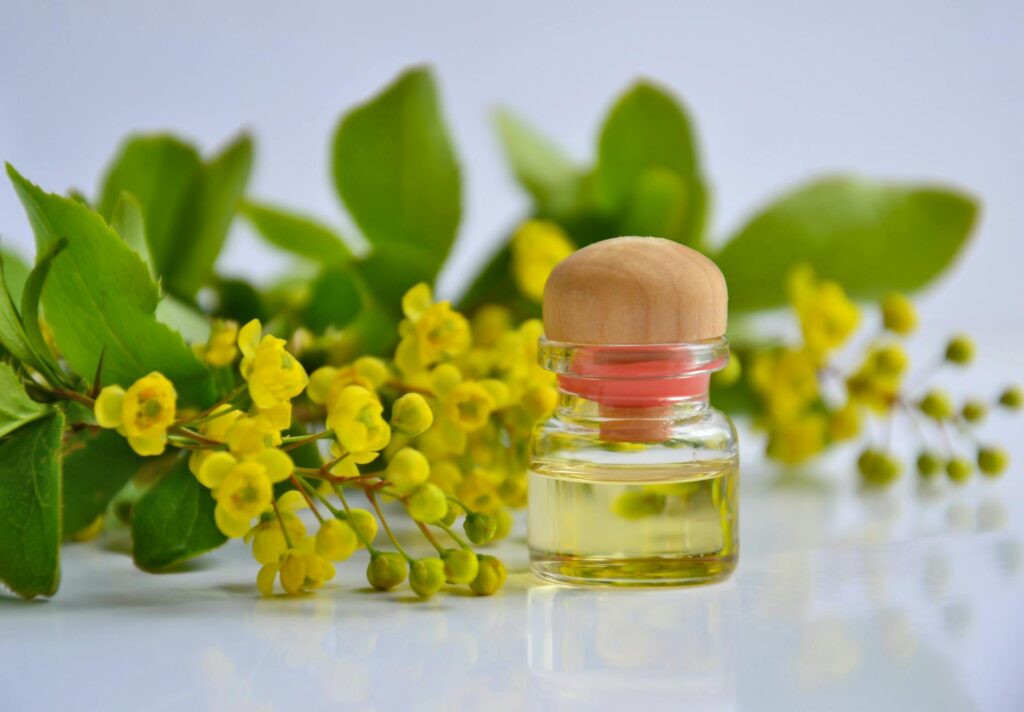
Health Benefits of Balsam Extracts
Introduction
Balsam extracts have been cherished for centuries due to their aromatic qualities and therapeutic properties. Derived from various species of balsam trees, these extracts have found their place in traditional medicine, perfumery, and natural wellness practices. This article explores the origins, benefits, and applications of balsam extracts, providing a comprehensive overview for those interested in the world of essential oils and aromatherapy.
What Is Balsam Extracts?
Balsam extracts are derived from the resin of balsam trees, primarily from the genus Abies, Commiphora, and Liquidambar. These trees are native to various regions, including North America, Europe, and Asia. The extraction process typically involves tapping the tree bark to collect the resin, which is then processed into an essential oil or tincture. Balsam extracts are known for their rich, sweet, and slightly woody aroma, making them popular in both therapeutic and cosmetic applications.
There are several types of balsam extracts, including:
- Balsam Fir (Abies balsamea): Often used in aromatherapy and traditional medicine.
- Balsam of Peru (Myroxylon balsamum): Recognized for its unique aroma and potential skin benefits.
- Liquidambar (Liquidambar styraciflua): Known as sweetgum, this tree produces a fragrant resin that is used in various applications.
- Cool, Dark Place: Store balsam extracts away from direct sunlight and heat sources to prevent degradation of the oil.
- Tightly Sealed Containers: Use airtight containers to minimize exposure to air, which can oxidize the oil and diminish its quality.
- Shelf Life: Generally, balsam extracts can last for 1 to 3 years when stored correctly. However, checking for changes in aroma, consistency, or color can indicate whether the extract is still viable.
Key Benefits and Properties
Balsam extracts are celebrated for their diverse properties, which may include:
1. Antioxidant Properties
Balsam extracts contain several compounds that exhibit antioxidant effects. These substances help neutralize free radicals in the body, contributing to overall health by reducing oxidative stress.
2. Anti-inflammatory Effects
Some studies suggest that balsam extracts may possess anti-inflammatory properties. This can potentially aid in soothing minor skin irritations and discomfort associated with inflammation.
3. Antimicrobial Activity
Balsam extracts have been noted for their antimicrobial characteristics. They may help inhibit the growth of certain bacteria and fungi, making them useful in formulations aimed at skin health.
4. Stress Relief and Relaxation
The scent of balsam is often associated with calming effects, promoting relaxation and reducing feelings of anxiety. This makes it a popular choice in aromatherapy practices.
5. Skin Nourishment
Balsam extracts may provide benefits for the skin. Their moisturizing properties can help improve the appearance of dry or irritated skin, while their potential antimicrobial effects may support healthier skin.
Common Uses
Balsam extracts are versatile and used in various applications, including:
1. Aromatherapy
Used in diffusers or diluted in carrier oils, balsam extracts can enhance relaxation, reduce stress, and create a calming atmosphere.
2. Skin Care Products
Incorporated into lotions, creams, and salves, balsam extracts can help soothe dry or inflamed skin. They are often included in formulations designed for sensitive skin.
3. Perfumes and Fragrances
The sweet, warm aroma of balsam makes it a popular ingredient in perfumes and scented candles, contributing depth and richness to the fragrance profile.
4. Household Products
Balsam extracts are sometimes used in cleaning products and air fresheners for their pleasant scent and potential antimicrobial properties, providing a natural alternative to chemical-laden options.
5. Traditional Remedies
In some cultures, balsam extracts have been used in folk medicine for various ailments, although it is essential to approach such practices with caution and awareness.
Aromatherapy Applications
Aromatherapy harnesses the therapeutic properties of essential oils to promote physical and emotional well-being. Balsam extracts are particularly valued for their calming effects. Here are some common applications in aromatherapy:
1. Stress Relief Blends
Balsam can be blended with other essential oils, such as lavender or chamomile, to create calming synergies that promote relaxation and reduce anxiety.
2. Respiratory Support
Inhaling the aroma of balsam may assist in respiratory comfort, making it a popular choice during cold seasons. It can be added to steam inhalation or diffused in a room for a soothing atmosphere.
3. Meditation and Mindfulness
The grounding scent of balsam makes it an excellent choice for meditation practices. It can help create a serene environment, enhancing focus and mindfulness.
4. Massage Oils
When diluted in carrier oils, balsam extracts can be used in massage blends. Their soothing properties may aid in relaxation and muscle tension relief.
Safety Considerations
While balsam extracts are generally regarded as safe for use in aromatherapy and topical applications, it is crucial to adhere to safety guidelines:
1. Dilution: Always dilute essential oils with a carrier oil before applying them to the skin to minimize the risk of irritation.
2. Patch Test: Conduct a patch test on a small area of skin to check for any allergic reactions before using balsam extracts more broadly.
3. Pregnancy and Nursing: Pregnant or nursing individuals should consult a healthcare professional before using balsam extracts.
4. Allergies: Those with known allergies to balsam or related plants should avoid using these extracts.
5. Consultation: Always seek professional advice if unsure about using balsam extracts, especially when considering them for health-related purposes.
Storage and Shelf Life
To maintain the integrity of balsam extracts, proper storage is essential:
Frequently Asked Questions
1. Can balsam extracts be ingested?
Balsam extracts are primarily intended for topical and aromatic use. Ingestion is not recommended without professional guidance.
2. Are there any known side effects of balsam extracts?
While generally safe, some individuals may experience skin irritation or allergic reactions. A patch test is advisable.
3. How do I use balsam extracts in a diffuser?
Add a few drops of balsam extract to your diffuser according to the manufacturer’s instructions. It can be blended with other essential oils for enhanced effects.
4. Can balsam extracts help with sleep?
The calming aroma of balsam may promote relaxation, potentially aiding in sleep. However, individual experiences may vary.
5. Where can I buy high-quality balsam extracts?
Balsam extracts can be found in health food stores, specialty shops, or online retailers. Always choose products from reputable brands to ensure quality and purity.
Conclusion
Balsam extracts offer a range of potential benefits, from promoting relaxation to supporting skin health. Their aromatic properties make them a valuable addition to the world of essential oils and aromatherapy. As with any natural product, it is essential to use balsam extracts responsibly and to be aware of individual sensitivities. Whether used in wellness practices, skincare, or simply for their delightful fragrance, balsam extracts continue to hold a significant place in natural health and beauty traditions.