
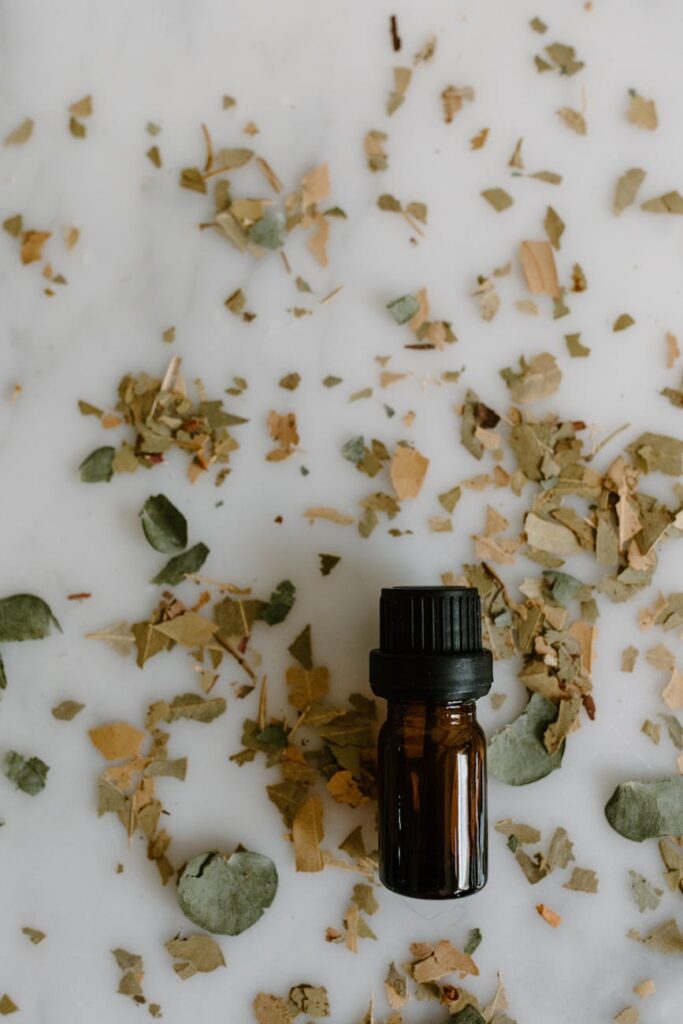
Health Benefits of Basil Oil
Introduction
Basil oil, derived from the leaves of the basil plant (Ocimum basilicum), is a cherished essential oil in both culinary and therapeutic contexts. Known for its rich aroma and flavor, basil oil has been utilized for centuries in various cultures for its potential health benefits. This article explores the properties, uses, and applications of basil oil, providing a comprehensive overview of its benefits and considerations for use.
What Is Basil Oil?
Basil oil is an essential oil extracted from the leaves and flowers of the basil plant, primarily through steam distillation. The oil possesses a fresh, sweet, and herbaceous scent, making it a popular choice in aromatherapy and natural wellness practices. The primary chemical constituents of basil oil include linalool, eugenol, and methyl chavicol, each contributing to its unique aromatic profile and potential benefits.
Basil is native to tropical regions of Central Africa and Southeast Asia but is now cultivated worldwide. The plant is celebrated not only for its culinary uses but also for its aromatic and therapeutic properties.
Key Benefits and Properties
Basil oil is known for several key benefits and properties, making it a valuable addition to natural health practices. Some of the notable properties include:
1. Antioxidant Properties
Basil oil is rich in antioxidants, which help combat oxidative stress in the body. Antioxidants neutralize free radicals, potentially reducing the risk of chronic diseases and supporting overall health.
2. Anti-inflammatory Effects
The oil is recognized for its anti-inflammatory potential. Basil oil’s compounds may help reduce inflammation in the body, which is linked to various health issues.
3. Antimicrobial Activity
Basil oil has demonstrated antimicrobial properties, making it effective against certain bacteria and fungi. This quality is often harnessed in natural cleaning products and skincare formulations.
4. Mood Enhancement
The aroma of basil oil is thought to have uplifting effects on mood. Its sweet and herbaceous scent may help alleviate feelings of stress and anxiety, promoting a sense of calm and well-being.
5. Digestive Support
Traditionally, basil has been used to support digestive health. Basil oil may aid in relieving digestive discomfort and promoting healthy digestion.
Common Uses
Basil oil is versatile and can be used in various forms. Some common applications include:
1. Aromatherapy
Basil oil is frequently used in diffusers or oil burners, where its invigorating aroma can help purify the air and enhance mental clarity.
2. Massage
When diluted with a carrier oil, basil oil can be used in massage therapy. Its anti-inflammatory properties may provide relief from muscle tension and soreness.
3. Skincare
Due to its antimicrobial properties, basil oil can be incorporated into skincare routines. It may help with acne-prone skin and can be added to lotions or creams.
4. Culinary Uses
Basil oil can be used to flavor dishes, although it should be used sparingly due to its concentrated nature. It’s commonly added to dressings, marinades, and sauces.
5. Household Cleaning
The antimicrobial properties of basil oil make it suitable for natural cleaning solutions. It can be added to homemade cleaners to enhance their effectiveness.
Aromatherapy Applications
In aromatherapy, basil oil is valued for its unique ability to promote emotional balance and mental clarity. Several methods of application are commonly used:
1. Diffusion
Adding basil oil to a diffuser can help create a calming and uplifting atmosphere. It may be particularly beneficial in study or work environments where focus is needed.
2. Inhalation
Direct inhalation of basil oil can provide immediate relief from stress and mental fatigue. A few drops on a tissue or cotton ball can be inhaled as needed.
3. Bathing
Adding basil oil to a warm bath can create a soothing and aromatic experience. It promotes relaxation and can enhance the overall bathing experience.
4. Blending with Other Oils
Basil oil blends well with other essential oils, such as lavender and lemon. This versatility allows for customized blends that target specific emotional or physical needs.
Safety Considerations
While basil oil is generally considered safe for most individuals, it is essential to follow certain precautions:
1. Dilution
Always dilute basil oil with a carrier oil, such as coconut or jojoba oil, before applying it to the skin. This helps prevent irritation and enhances absorption.
2. Patch Test
Before using basil oil topically, perform a patch test on a small area of skin to check for any allergic reactions or sensitivities.
3. Avoid During Pregnancy
Pregnant individuals should consult with a healthcare professional before using basil oil, as certain compounds may not be recommended during pregnancy.
4. Interaction with Medications
Basil oil may interact with certain medications, particularly those that affect the liver. It is advisable to consult a healthcare professional if you are taking medications or have underlying health conditions.
5. Not for Ingestion
While basil oil has culinary uses, it should be used with caution. High concentrations can lead to adverse effects, and it is recommended to consult a culinary expert before using it in food.
Storage and Shelf Life
To maintain the quality and efficacy of basil oil, proper storage is crucial:
1. Dark Glass Bottles
Basil oil should be stored in dark glass bottles to protect it from light, which can degrade the quality of the oil.
2. Cool, Dry Place
Keep the oil in a cool, dry location, away from direct sunlight and heat sources. Ideal storage conditions help prolong its shelf life.
3. Shelf Life
When stored properly, basil oil typically has a shelf life of 1 to 3 years. It is essential to check for any changes in aroma or appearance, which may indicate that the oil has gone rancid.
Frequently Asked Questions
1. Can basil oil be used for cooking?
While basil oil can be used in culinary applications, it is highly concentrated. Use it sparingly and consult culinary experts for guidance on appropriate usage.
2. Is basil oil safe for children?
Basil oil should be used with caution around children. It’s best to consult with a healthcare professional for appropriate usage guidelines based on age and condition.
3. How can I incorporate basil oil into my skincare routine?
Basil oil can be added to lotions or creams after proper dilution with a carrier oil. It may assist with acne-prone skin but should be patch-tested first.
4. What other essential oils blend well with basil oil?
Basil oil blends well with essential oils such as lavender, lemon, eucalyptus, and peppermint, allowing for customized aromatic experiences.
5. Can I use basil oil in a diffuser?
Yes, basil oil can be used in a diffuser. Its uplifting aroma can help enhance focus and create a calming atmosphere.
In conclusion, basil oil is a versatile essential oil with a variety of potential health benefits and applications. Whether used in aromatherapy, skincare, or culinary practices, it offers a unique aromatic experience. As with all essential oils, it is essential to use basil oil mindfully and consult professionals if needed.