
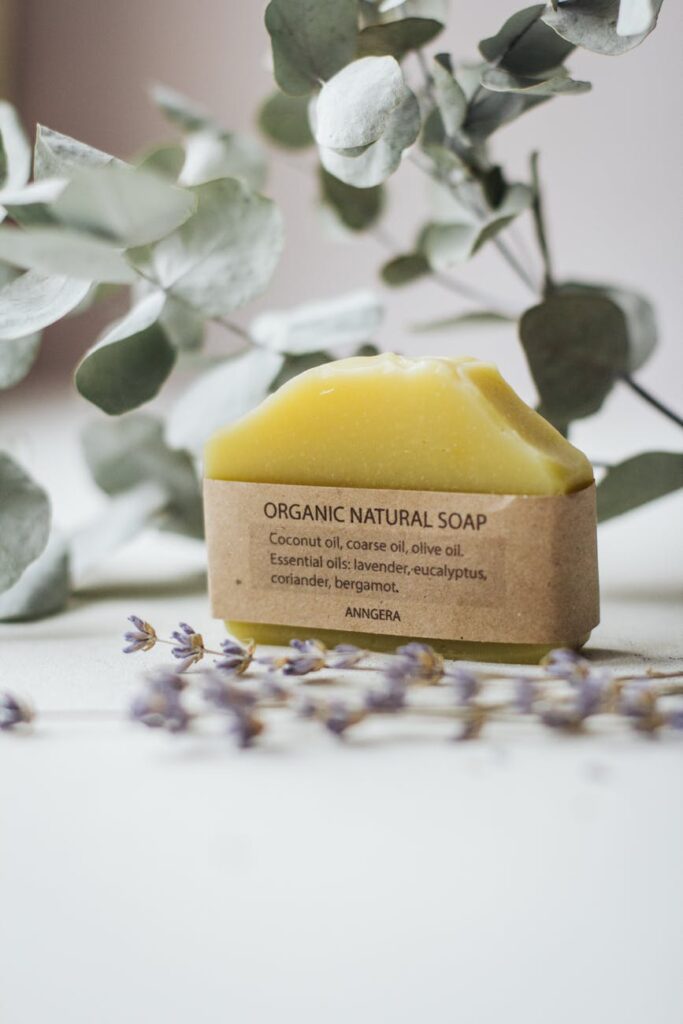
Health Benefits of Bergamot Oil
Introduction
Bergamot oil, derived from the rind of the bergamot orange (Citrus bergamia), is a highly esteemed essential oil in the world of aromatherapy and natural wellness. The oil is known for its refreshing and uplifting scent, reminiscent of a blend between lemon and orange, with floral undertones. This article explores the various health benefits, properties, and applications of bergamot oil, providing a comprehensive understanding of its role in holistic health and wellness.
What Is Bergamot Oil?
Bergamot oil is extracted from the fruit of the bergamot orange tree, which primarily grows in the coastal regions of Italy, particularly in Calabria. The extraction process typically involves cold pressing the fruit’s peel, which yields a fragrant oil rich in various chemical compounds, including limonene, linalool, and bergapten. These components contribute to the oil’s unique aroma and its potential therapeutic benefits.
In addition to its aromatic qualities, bergamot oil is often used in the perfume industry and as a flavoring agent in food and beverages, particularly in Earl Grey tea. Its versatility makes it a popular choice among aromatherapists and natural health practitioners.
Key Benefits and Properties
Bergamot oil boasts a range of properties that contribute to its popularity in both aromatherapy and wellness practices. Some of the key benefits and properties include:
1. Mood Enhancement: Bergamot oil is often celebrated for its potential to uplift mood and alleviate feelings of stress and anxiety. Its refreshing scent can create a calming atmosphere that promotes relaxation and emotional balance.
2. Antiseptic Properties: The oil possesses natural antiseptic qualities, making it useful for minor cuts and scrapes. It has been traditionally used to help clean wounds and prevent infections.
3. Digestive Support: Bergamot oil may aid in digestion, helping to alleviate symptoms such as bloating and discomfort. Its ability to stimulate the production of digestive juices can contribute to a smoother digestive process.
4. Skin Care: Due to its antiseptic and anti-inflammatory properties, bergamot oil is often included in skincare formulations. It may assist in treating acne and improving overall skin tone, though proper dilution is necessary to avoid skin irritation.
5. Antidepressant Effects: Some studies suggest that bergamot oil may have antidepressant-like effects, helping to reduce feelings of sadness and promoting overall emotional well-being.
6. Stress Relief: The calming properties of bergamot oil can help reduce stress levels and promote relaxation. This makes it a popular choice for use in aromatherapy diffusers and massage oils.
Common Uses
Bergamot oil can be used in various ways, making it a versatile addition to any wellness routine. Here are some common applications:
1. Aromatherapy: One of the most popular uses of bergamot oil is in diffusers. Its uplifting scent can enhance mood and create a calming environment in homes, offices, and wellness centers.
2. Massage Oil: When diluted with a carrier oil, bergamot oil can be used in massages to promote relaxation and relieve tension in the muscles.
3. Bath Products: Adding a few drops of bergamot oil to bathwater can enhance the bathing experience, providing both aromatic and therapeutic benefits.
4. Skincare: Bergamot oil is sometimes included in skincare products for its potential to improve skin health. However, it should always be diluted and used cautiously.
5. Household Cleaner: Due to its antiseptic properties, bergamot oil can be included in natural cleaning solutions for its refreshing scent and cleaning capabilities.
6. Flavoring Agent: In culinary applications, bergamot oil can be used to flavor desserts, teas, and other beverages, providing a unique citrusy taste.
Aromatherapy Applications
In aromatherapy, bergamot oil is often used to address emotional and psychological concerns. Here are some specific applications:
1. Stress Relief: Bergamot oil can be diffused in a room or inhaled directly from the bottle. Its calming aroma is believed to help reduce stress and anxiety.
2. Mood Booster: For those experiencing feelings of sadness or low mood, bergamot oil can be blended with other uplifting oils, such as sweet orange or lavender, to create a synergistic blend that promotes emotional well-being.
3. Sleep Aid: When used in a diffuser or added to a pillow, bergamot oil may help create a peaceful environment conducive to restful sleep.
4. Focus and Clarity: Some practitioners use bergamot oil to enhance concentration and mental clarity, making it a good choice for study or work environments.
Safety Considerations
While bergamot oil is generally considered safe for use, there are important safety considerations to keep in mind:
1. Skin Sensitivity: Bergamot oil can cause photosensitivity, making the skin more susceptible to sunburn. It is advisable to avoid sun exposure for at least 12 hours after applying bergamot oil to the skin.
2. Dilution: When using bergamot oil topically, it should be diluted in a carrier oil (such as jojoba, coconut, or almond oil) to reduce the risk of skin irritation.
3. Pregnancy and Nursing: Pregnant or nursing women should consult a healthcare professional before using bergamot oil, as there is limited research on its safety in these populations.
4. Allergies: Individuals with citrus allergies should avoid bergamot oil, as it may cause allergic reactions.
5. Quality: Always choose high-quality, pure essential oils from reputable sources to ensure safety and effectiveness.
Storage and Shelf Life
Proper storage of bergamot oil is essential to maintain its quality and potency. Here are some tips for storage:
1. Cool, Dark Place: Store bergamot oil in a cool, dark place away from direct sunlight and heat sources. This helps prevent degradation of the oil’s chemical compounds.
2. Tightly Sealed Containers: Ensure that the oil is kept in a tightly sealed, dark glass container to minimize exposure to air and light.
3. Shelf Life: The shelf life of bergamot oil is typically around 1 to 2 years if stored correctly. Check for changes in aroma or viscosity before use, as these can indicate that the oil has expired.
Frequently Asked Questions
1. Can bergamot oil be ingested?
Bergamot oil is primarily used for aromatic and topical applications. Ingesting essential oils can be risky and should only be done under the guidance of a qualified healthcare professional.
2. Is bergamot oil safe for children?
Bergamot oil should be used with caution around children. It is advisable to consult a healthcare professional before using it on or around children.
3. How do I use bergamot oil in a diffuser?
Add a few drops of bergamot oil to your diffuser, following the manufacturer’s instructions. It can be blended with other essential oils for enhanced effects.
4. Can I use bergamot oil for my skin?
Bergamot oil can be beneficial for the skin, but it must be diluted in a carrier oil to prevent irritation. Always perform a patch test before widespread use.
5. What are the differences between bergamot oil and other citrus oils?
While bergamot oil shares some similarities with other citrus oils, such as lemon and orange, it has unique chemical constituents and aromatic properties that set it apart. Its complex scent profile includes floral notes, making it distinct from other citrus oils.
Conclusion
Bergamot oil is a versatile essential oil with a variety of potential health benefits and applications. From its mood-enhancing properties to its use in skincare and aromatherapy, bergamot oil has earned its place in the realm of natural wellness. However, as with any essential oil, it is essential to use bergamot oil responsibly and with consideration for safety guidelines. Whether used in a calming bath, a refreshing diffuser blend, or as a natural remedy in skincare, bergamot oil can contribute to a holistic approach to health and well-being.