
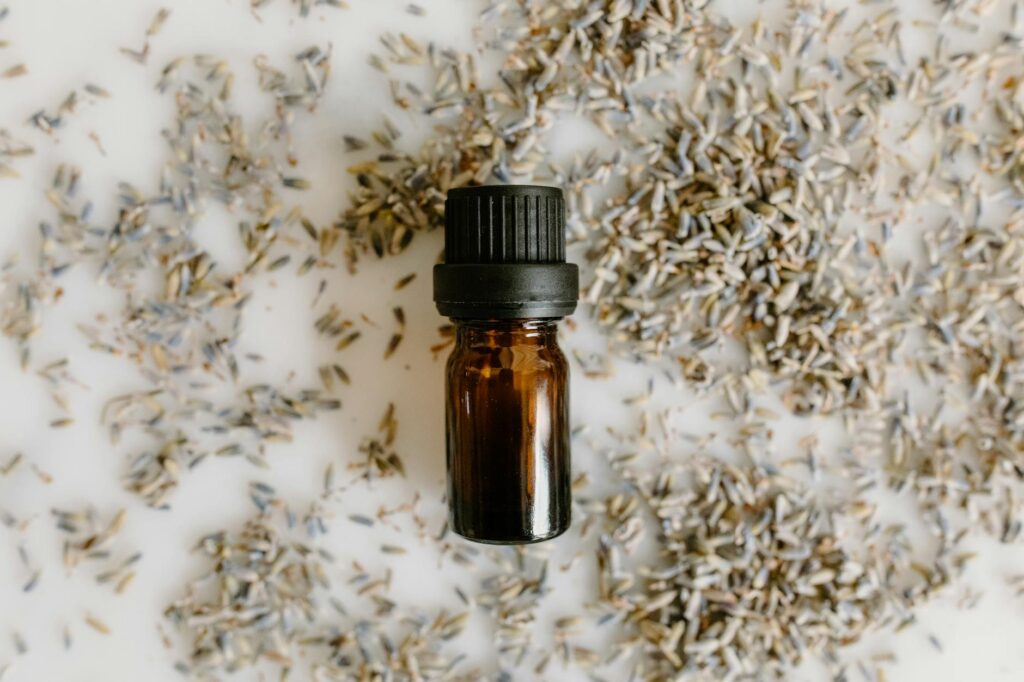
Health Benefits of Black Seed Oil
Introduction
Black seed oil, derived from the seeds of the Nigella sativa plant, has a long history of use in traditional medicine across various cultures. Often referred to as “black cumin,” this oil has gained attention in recent years for its potential health benefits. Renowned for its rich nutrient profile, black seed oil is celebrated in both culinary and therapeutic contexts. This article will explore the properties, benefits, and applications of black seed oil, imparting a comprehensive understanding of this remarkable oil.
What Is Black Seed Oil?
Black seed oil is extracted from the seeds of the Nigella sativa plant, which is native to Southwest Asia. The seeds have been used for over 2,000 years, making them a staple in herbal medicine. Traditionally, black seed oil has been used for its diverse therapeutic properties, including anti-inflammatory, antioxidant, and antimicrobial effects.
The oil is typically cold-pressed to preserve its beneficial compounds, which include thymoquinone, the primary active ingredient known for its health-promoting properties, as well as other essential fatty acids, vitamins, and minerals.
Key Benefits and Properties
1. Antioxidant Properties
Black seed oil is rich in antioxidants, which help combat oxidative stress in the body. Oxidative stress occurs when there is an imbalance between free radicals and antioxidants, potentially leading to chronic diseases. The compounds found in black seed oil can help neutralize these free radicals, promoting overall health.
2. Anti-Inflammatory Effects
Chronic inflammation is linked to various health conditions, including heart disease and diabetes. Thymoquinone, found in black seed oil, has been studied for its anti-inflammatory properties, which may help reduce inflammation in the body and alleviate symptoms associated with inflammatory conditions.
3. Immune System Support
The oil is also believed to bolster the immune system. Some studies suggest that black seed oil may enhance the activity of immune cells, contributing to improved overall immunity. This property makes it a popular choice among those seeking to support their natural defenses.
4. Skin Health
Black seed oil is frequently used in skincare products due to its moisturizing and nourishing properties. Its anti-inflammatory and antimicrobial effects make it beneficial for various skin conditions, including acne, eczema, and psoriasis. Many individuals find that applying black seed oil topically can soothe irritated skin and promote a healthy complexion.
5. Respiratory Health
In traditional medicine, black seed oil has been utilized to support respiratory health. Its potential to act as a natural expectorant may assist in alleviating symptoms of respiratory conditions, making it a favored option for those seeking relief from coughs and congestion.
6. Digestive Health
Black seed oil may also contribute to digestive health. It has been traditionally used to alleviate symptoms of digestive discomfort, such as bloating and gas. Its carminative properties may help soothe the digestive tract and promote a balanced gastrointestinal environment.
Common Uses
Black seed oil can be employed in various ways, depending on individual preferences and desired outcomes. Some common applications include:
- Culinary Use: Black seed oil can be added to salads, dressings, or smoothies for a nutritious boost. Its unique flavor profile adds a distinctive taste to dishes.
- Topical Application: The oil can be applied directly to the skin or mixed with carrier oils for enhanced benefits. This method is particularly popular for skincare applications.
- Capsules: Many individuals opt for black seed oil capsules as a convenient way to incorporate the oil into their daily routines.
- Allergies: Individuals with allergies to plants in the Ranunculaceae family should consult a healthcare professional before using black seed oil.
- Pregnancy and Breastfeeding: Pregnant or breastfeeding women should seek medical advice before using black seed oil, as its effects during these periods are not well-studied.
- Interactions: Black seed oil may interact with certain medications, particularly those related to blood pressure and blood sugar levels. It is advisable to consult a healthcare provider if you are taking medication.
Aromatherapy Applications
In aromatherapy, black seed oil can be utilized for its calming and grounding properties. Although it may not be as commonly used in diffusers as other essential oils, it can still be blended with various essential oils to create synergistic effects. For example, combining black seed oil with lavender or chamomile may enhance relaxation while promoting skin health.
When using black seed oil in aromatherapy, it is essential to dilute it with a carrier oil to ensure safe application on the skin.
Safety Considerations
While black seed oil is generally considered safe for most individuals, it is essential to take certain precautions:
Storage and Shelf Life
To maintain the quality of black seed oil, proper storage is crucial. It should be kept in a cool, dark place, away from direct sunlight and heat sources. The oil is typically packaged in dark glass bottles to protect it from light, which can degrade its quality over time.
The shelf life of black seed oil is typically around 1 to 2 years when stored correctly. Always check for changes in color, scent, or consistency before use, as these may indicate spoilage.
Frequently Asked Questions
1. Can black seed oil be ingested?
Yes, black seed oil can be ingested, often in capsule form or as a culinary ingredient. However, it is essential to follow recommended dosages and consult a healthcare professional if you have any concerns.
2. Is black seed oil safe for children?
While black seed oil is generally considered safe, it is advisable to consult a healthcare provider before administering it to children, especially in concentrated forms.
3. How can I use black seed oil for skin care?
Black seed oil can be applied topically to the skin. It can be used alone or blended with a carrier oil. Due to its anti-inflammatory and moisturizing properties, it may help soothe various skin conditions.
4. Can black seed oil help with hair health?
Many people use black seed oil to promote hair health. Its nourishing properties may help strengthen hair and improve scalp conditions, although scientific research on this topic is limited.
5. Are there any side effects associated with black seed oil?
Black seed oil is generally well-tolerated, but some individuals may experience mild digestive discomfort or allergic reactions. It is best to start with a small amount to assess tolerance.
Conclusion
Black seed oil offers a range of potential health benefits, including antioxidant, anti-inflammatory, and immune-boosting properties. Its versatility allows for various applications, from culinary use to skincare and aromatherapy. While it has been traditionally used for centuries, modern research continues to explore its benefits, providing a deeper understanding of this remarkable oil. As with any natural product, it is important to approach its use with knowledge and caution, ensuring that it aligns with individual health needs and circumstances.