
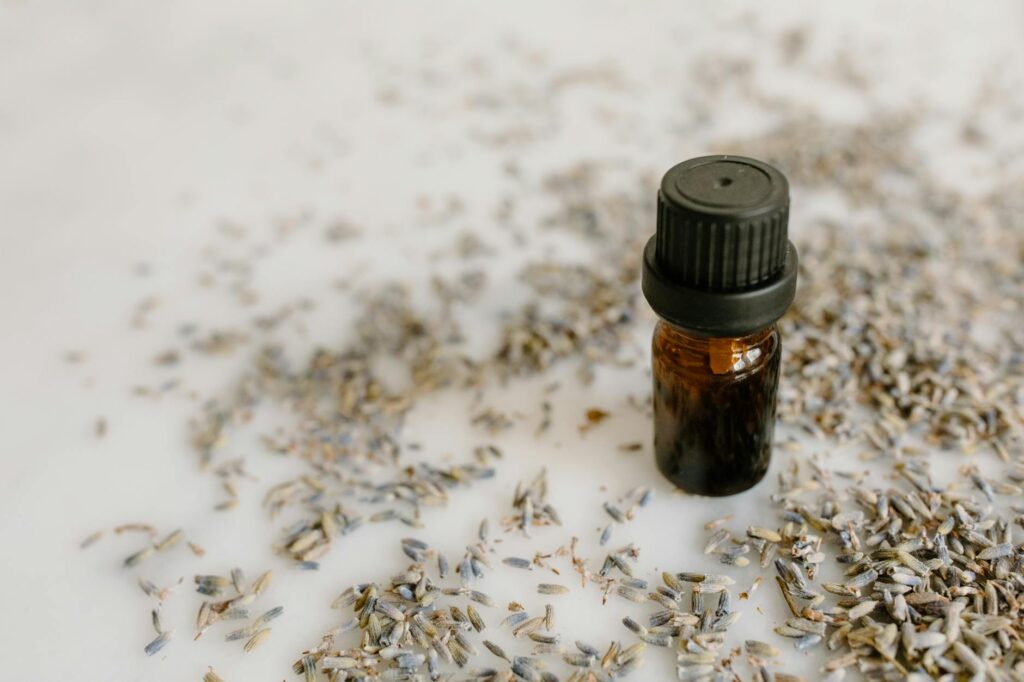
Health Benefits of Botanical Ingredients – Baobab Oil
Introduction
In the realm of natural health and wellness, botanical ingredients have gained considerable attention for their myriad benefits. Among these, baobab oil stands out due to its rich nutrient profile and versatile applications. Extracted from the seeds of the baobab tree (Adansonia digitata), which is native to Africa, this oil has been used for centuries by various cultures for its nourishing properties. This article delves into the characteristics, benefits, and uses of baobab oil, providing a comprehensive overview for those interested in incorporating this botanical ingredient into their wellness routine.
What Is Botanical Ingredients – Baobab Oil?
Baobab oil is derived from the seeds of the baobab tree, often referred to as the “Tree of Life.” This tree is renowned not only for its distinctive appearance, with a thick trunk and sprawling branches, but also for its ability to thrive in arid environments. The oil is cold-pressed from the seeds, ensuring that its beneficial properties remain intact.
Rich in essential fatty acids, vitamins, and antioxidants, baobab oil boasts a light texture that is easily absorbed by the skin, making it suitable for various applications. Its unique composition contributes to its popularity in the beauty and wellness industries.
Key Benefits and Properties
Nutrient-Dense Composition
Baobab oil is packed with essential fatty acids, notably oleic, linoleic, and palmitic acids. These fatty acids play a crucial role in maintaining skin health by providing moisture and promoting elasticity. Additionally, the oil contains a variety of vitamins, including:
- Vitamin C: Known for its antioxidant properties, vitamin C helps to protect the skin from oxidative stress and promotes a brighter complexion.
- Vitamin A: This vitamin is essential for skin cell regeneration and can contribute to a more youthful appearance.
- Vitamin E: A potent antioxidant, vitamin E helps to protect the skin from UV damage and supports overall skin health.
- Moisturizer: Baobab oil can be applied directly to the skin as a moisturizer. Its lightweight texture allows for quick absorption, providing hydration without a greasy residue.
- Facial Oil: It can be combined with other oils or used alone as a facial oil to promote a healthy glow and enhance skin elasticity.
- Carrier Oil: Due to its nourishing properties, baobab oil serves as an excellent carrier oil for essential oils in aromatherapy and topical applications.
- Hair Treatment: Baobab oil can be used as a treatment for dry or damaged hair. Its fatty acids help to nourish and hydrate hair strands, promoting shine and reducing frizz.
- Scalp Care: The anti-inflammatory properties may also benefit the scalp, helping to alleviate irritation and support overall scalp health.
- Lavender: Known for its calming properties, lavender essential oil blends harmoniously with baobab oil for relaxation and stress relief.
- Tea Tree: For those looking to address skin blemishes, tea tree oil can be mixed with baobab oil for a soothing topical application.
- Citrus Oils: The uplifting scents of citrus oils, such as lemon and orange, can be combined with baobab oil for a refreshing aromatic experience.
Antioxidant Properties
One of the standout features of baobab oil is its high antioxidant content. Antioxidants help combat free radicals, which can lead to premature aging and various skin conditions. By neutralizing these harmful compounds, baobab oil can contribute to a healthier skin barrier and promote a more youthful appearance.
Anti-Inflammatory Effects
Baobab oil may possess anti-inflammatory properties that can help soothe irritated skin. This characteristic makes it a potential option for individuals with sensitive skin or conditions such as eczema and psoriasis. The oil’s ability to calm inflammation can lead to improved skin comfort and overall appearance.
Common Uses
Baobab oil’s versatility makes it suitable for a variety of applications, particularly in the realms of skincare and haircare.
Skincare
Haircare
Culinary Uses
In addition to its topical applications, baobab oil is sometimes used in culinary contexts. Its mild, nutty flavor makes it an interesting addition to salad dressings and marinades, offering a nutritious boost.
Aromatherapy Applications
In aromatherapy, baobab oil serves primarily as a carrier oil for essential oils. Its light consistency allows it to blend well with a variety of essential oils, enhancing their absorption and efficacy. Common essential oils that pair well with baobab oil include:
To create an aromatherapy blend, mix a few drops of your chosen essential oil with baobab oil in a carrier bottle. The resulting mixture can be used for massages, added to a diffuser, or applied topically.
Safety Considerations
While baobab oil is generally considered safe for topical application, it is important to conduct a patch test before using it extensively. Apply a small amount of oil to a discreet area of skin, such as the inside of the wrist, and monitor for any adverse reactions over 24 hours.
Individuals with known allergies to baobab or related plants should exercise caution and consult with a healthcare professional before use. Additionally, those who are pregnant or breastfeeding should seek guidance from a healthcare provider before incorporating new botanical ingredients into their routine.
Storage and Shelf Life
To maintain the quality of baobab oil, it should be stored in a cool, dark place, away from direct sunlight. Proper storage can help prevent oxidation and prolong the oil’s shelf life. Typically, baobab oil has a shelf life of around 1 to 2 years, depending on storage conditions. It is advisable to check for any changes in smell, color, or consistency before use.
Frequently Asked Questions
1. Can baobab oil be used on all skin types?
Yes, baobab oil is generally suitable for all skin types, including sensitive skin. Its lightweight and non-comedogenic nature makes it a good option for those with oily or acne-prone skin.
2. How do I incorporate baobab oil into my skincare routine?
Baobab oil can be used as a moisturizer, facial oil, or carrier oil. It can be applied directly to the skin or mixed with other oils and skincare products for enhanced benefits.
3. Is baobab oil safe for hair use?
Yes, baobab oil is safe for use on hair. It can be applied as a treatment for dry or damaged hair and can also be used to soothe the scalp.
4. Can baobab oil be ingested?
While baobab oil is sometimes used in culinary applications, it is essential to ensure that the oil is food-grade and sourced from reputable suppliers. Consult with a healthcare professional before using it as a dietary supplement.
5. Where can I purchase baobab oil?
Baobab oil is widely available in health food stores, specialty beauty shops, and online retailers. When purchasing, look for cold-pressed, organic options to ensure the highest quality.
Conclusion
Baobab oil is a remarkable botanical ingredient that offers a wealth of benefits for both skin and hair. With its rich nutrient profile, antioxidant properties, and versatility in applications, it has rightfully earned its place in the worlds of skincare and aromatherapy. As with any botanical ingredient, it is essential to approach its use with mindfulness and to consider personal sensitivities and preferences. With proper care and application, baobab oil can be a valuable addition to your natural wellness repertoire.