
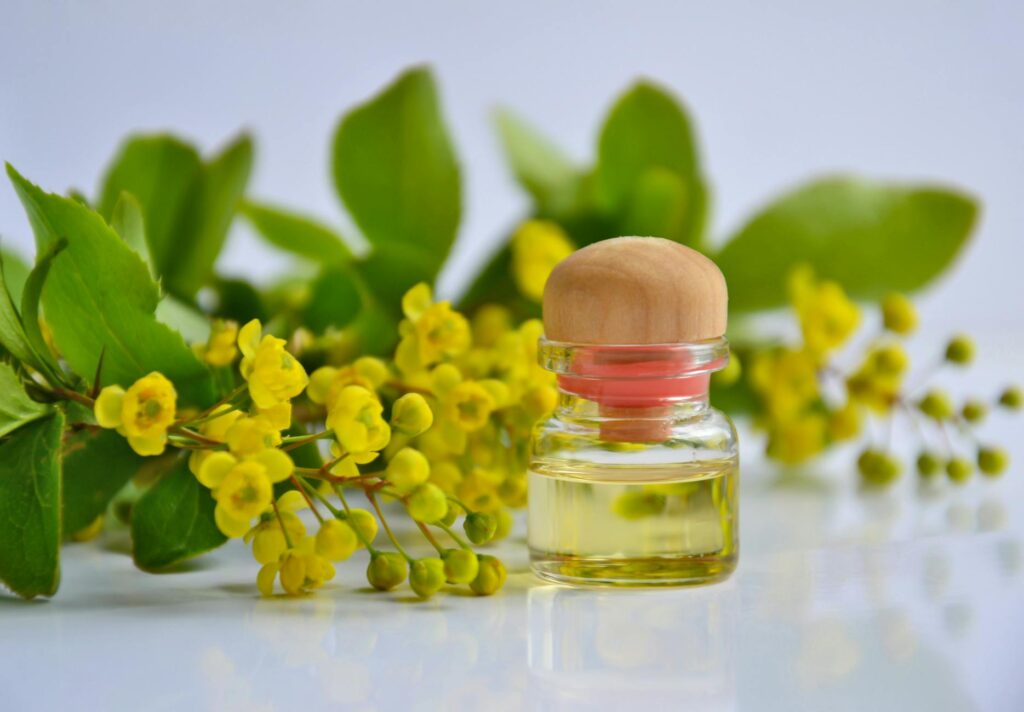
Health Benefits of Botanical Ingredients – Coconut Oil
Introduction
Coconut oil, derived from the flesh of the coconut fruit (Cocos nucifera), has gained significant attention in recent years due to its numerous health benefits and versatile applications. As a botanical ingredient, coconut oil not only serves as a staple in culinary practices but also plays an essential role in skincare, haircare, and even aromatherapy. This article delves into the properties, benefits, and common uses of coconut oil, providing a comprehensive understanding of this remarkable ingredient.
What Is Botanical Ingredients – Coconut Oil?
Coconut oil is a natural oil extracted from the mature fruit of the coconut palm. It can be obtained through various methods, including cold-pressing, expeller-pressing, or solvent extraction. The oil is predominantly composed of saturated fats, particularly medium-chain triglycerides (MCTs), which are known for their unique metabolic properties.
Coconut oil is available in two main forms: refined and unrefined (also known as virgin). Unrefined coconut oil is extracted without the use of chemicals and retains its natural aroma and flavor, making it ideal for culinary uses. Refined coconut oil undergoes processing to remove impurities and has a neutral scent and taste, making it suitable for high-heat cooking.
Key Benefits and Properties
1. Moisturizing Properties
Coconut oil is renowned for its moisturizing abilities. Its high-fat content helps to lock in moisture, making it an effective emollient for dry skin. The oil penetrates the skin easily, providing hydration and improving skin texture.
2. Antimicrobial Activity
Coconut oil possesses natural antimicrobial properties, primarily due to its lauric acid content. This fatty acid can help combat bacteria, viruses, and fungi, making it useful for topical applications.
3. Anti-inflammatory Effects
Research suggests that coconut oil may exhibit anti-inflammatory properties, which can be beneficial in soothing irritated skin and reducing redness. These effects make it a popular choice for individuals with sensitive skin or inflammatory conditions.
4. Nutrient-Rich Composition
Coconut oil contains essential fatty acids, vitamins E and K, and antioxidants, which contribute to its overall health benefits. These nutrients play a vital role in maintaining skin health and may support overall wellness.
5. Hair Care Benefits
Due to its ability to penetrate hair strands, coconut oil is often used as a natural conditioner. It helps reduce protein loss, improves shine, and can prevent damage caused by environmental factors.
Common Uses
1. Culinary Applications
Coconut oil is widely used in cooking and baking. Its high smoke point makes it suitable for frying, while its rich flavor enhances various dishes. It can also be used as a dairy substitute in vegan recipes.
2. Skincare
Coconut oil is frequently used as a moisturizer or makeup remover. It can be applied directly to the skin or incorporated into lotions and creams. Its soothing properties make it suitable for after-sun care and as a treatment for minor skin irritations.
3. Haircare
In hair care, coconut oil is used to nourish and moisturize hair. It can be applied as a pre-shampoo treatment, leave-in conditioner, or styling aid to enhance shine and manageability.
4. Massage Oil
Due to its smooth texture and pleasant aroma, coconut oil is often used as a carrier oil in massage therapy. It blends well with essential oils, enhancing the overall experience.
Aromatherapy Applications
While coconut oil is not an essential oil itself, it is commonly used as a carrier oil in aromatherapy. Its neutral scent allows it to complement various essential oils without overpowering their aromas. Here are some common applications:
1. Dilution of Essential Oils
Coconut oil is an excellent choice for diluting essential oils, making them safe for topical application. A typical dilution ratio is 1-2% essential oil to coconut oil, depending on the oil’s potency.
2. Diffusion
Coconut oil can be blended with essential oils and used in a diffuser. When heated, the combination releases the therapeutic properties of the essential oils into the air, creating a calming and aromatic environment.
3. Bath Soaks
Adding coconut oil to bathwater can enhance the skin’s hydration while providing a soothing aromatherapy experience. Combining it with essential oils can create a relaxing and rejuvenating bath.
Safety Considerations
While coconut oil is generally considered safe for topical and culinary use, it is essential to consider the following safety precautions:
1. Allergies
Individuals with a known allergy to coconuts should avoid using coconut oil, as it may trigger allergic reactions.
2. Skin Sensitivity
Although coconut oil is suitable for most skin types, some individuals may experience irritation. It is advisable to perform a patch test before widespread use, especially for those with sensitive skin.
3. Dietary Use
When using coconut oil for culinary purposes, moderation is key. While it offers health benefits, it is also high in saturated fats, which should be consumed in reasonable amounts as part of a balanced diet.
Storage and Shelf Life
Coconut oil has a relatively long shelf life, typically ranging from 18 months to 2 years when stored correctly. To ensure its longevity:
1. Keep it Cool and Dark
Store coconut oil in a cool, dark place, away from direct sunlight and heat sources. This helps preserve its quality and prevents rancidity.
2. Use Airtight Containers
Using airtight containers can protect coconut oil from exposure to air and moisture, which can degrade its quality over time.
3. Avoid Contamination
Always use clean utensils when scooping coconut oil to prevent contamination. This practice helps prolong its shelf life and maintains its quality.
Frequently Asked Questions
1. Is coconut oil comedogenic?
Coconut oil is considered moderately comedogenic, meaning it may clog pores for some individuals. People with oily or acne-prone skin should use it cautiously and conduct a patch test.
2. Can coconut oil be used for cooking at high temperatures?
Yes, refined coconut oil has a high smoke point of around 400°F (204°C), making it suitable for high-heat cooking methods such as frying and sautéing.
3. Is coconut oil suitable for all skin types?
Coconut oil is generally safe for most skin types, but those with sensitive or oily skin should exercise caution. Conducting a patch test is recommended before extensive use.
4. Can I use coconut oil on my hair every day?
While coconut oil can be beneficial for hair, using it daily may lead to build-up for some individuals. It is often best to use it as a treatment or conditioner a few times a week.
5. How can I incorporate coconut oil into my skincare routine?
Coconut oil can be used as a moisturizer, makeup remover, or carrier oil for essential oils. It can also be added to homemade scrubs and face masks for added hydration.
Conclusion
Coconut oil, as a botanical ingredient, offers a wide array of health benefits and applications. From culinary uses to skincare and aromatherapy, its versatility makes it a valuable addition to many routines. Understanding its properties, benefits, and safe practices enables individuals to harness the full potential of coconut oil effectively and safely.