
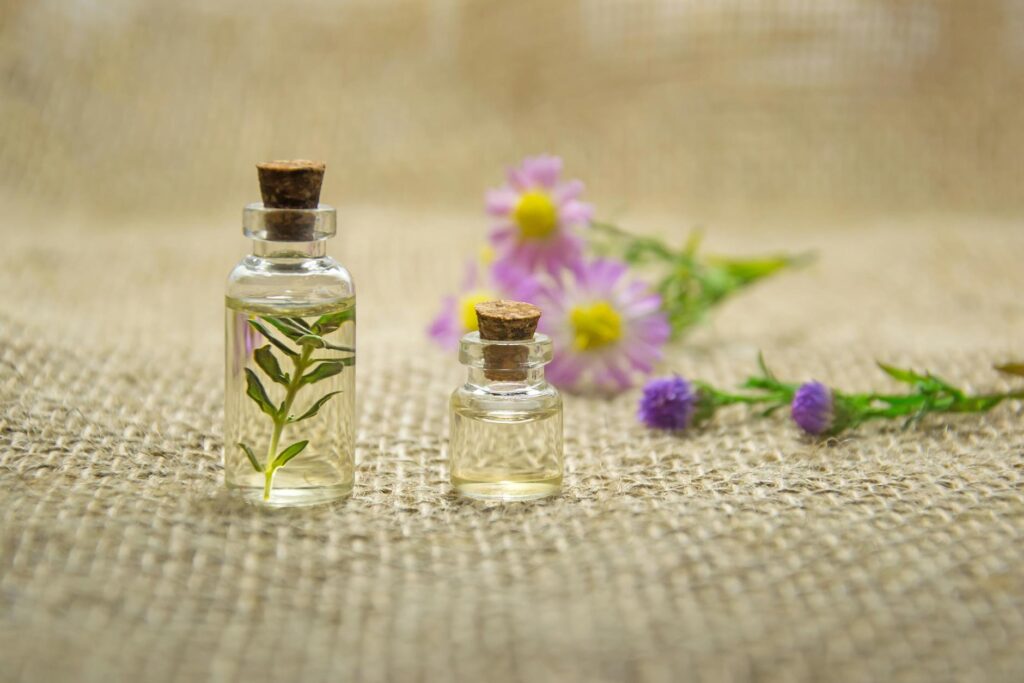
Health Benefits of Botanical Ingredients – Evening Primrose Oil
Introduction
Evening primrose oil is derived from the seeds of the evening primrose plant (Oenothera biennis), a wildflower native to North America and parts of Europe. This oil has garnered significant attention for its potential health benefits, attributed primarily to its high content of gamma-linolenic acid (GLA), an omega-6 fatty acid. With a rich history of traditional use, evening primrose oil has become a popular ingredient in both dietary supplements and cosmetic products. This article explores the properties, uses, and applications of evening primrose oil, as well as safety considerations and storage tips.
What Is Botanical Ingredients – Evening Primrose Oil?
Evening primrose oil is extracted from the seeds of the evening primrose plant, which blooms in the evening and is known for its striking yellow flowers. The oil is typically cold-pressed to retain its beneficial properties. It is rich in essential fatty acids, particularly GLA, which plays a crucial role in various bodily functions, including cell membrane integrity and inflammatory response.
The oil can be found in liquid form as well as in softgel capsules and is often incorporated into skincare products due to its moisturizing and healing properties. Evening primrose oil is also available as a dietary supplement, appealing to those looking to enhance their overall well-being.
Key Benefits and Properties
Evening primrose oil is celebrated for several key benefits and properties:
1. Rich in Essential Fatty Acids
The primary component of evening primrose oil is GLA, which constitutes around 8-10% of the oil. GLA is known for its anti-inflammatory properties, which can help in managing various conditions linked to inflammation.
2. Supports Skin Health
Evening primrose oil is frequently used in skincare formulations due to its moisturizing and soothing properties. It may help alleviate conditions such as eczema, acne, and dry skin, promoting a healthier complexion.
3. Hormonal Balance
Some studies suggest that evening primrose oil may help in managing symptoms associated with hormonal fluctuations, including premenstrual syndrome (PMS) and menopause. Its GLA content is believed to support hormonal balance, although more research is needed in this area.
4. Cardiovascular Support
The omega-6 fatty acids present in evening primrose oil may contribute to heart health by supporting healthy cholesterol levels and overall cardiovascular function.
5. Anti-inflammatory Effects
The anti-inflammatory properties of GLA may aid in reducing symptoms of inflammatory conditions such as arthritis. While evening primrose oil is often used in conjunction with other treatments, its role in inflammation management is a point of interest in ongoing research.
Common Uses
Evening primrose oil is versatile and can be used in various ways:
1. Dietary Supplement
As a dietary supplement, evening primrose oil is available in liquid or capsule form. It is commonly taken to support skin health, hormonal balance, and overall well-being.
2. Skincare
In the realm of skincare, evening primrose oil is frequently incorporated in creams, lotions, and serums. Its emollient properties make it an effective moisturizer, particularly for dry or sensitive skin.
3. Hair Care
Some hair care products include evening primrose oil for its ability to nourish the scalp and promote healthy hair growth. It can help improve hair texture and reduce dryness.
4. Massage Oil
Due to its smooth texture and moisturizing properties, evening primrose oil is sometimes used as a base for massage oils, offering skin benefits while providing relaxation.
Aromatherapy Applications
In aromatherapy, evening primrose oil is not typically used as an essential oil. However, it can serve as a carrier oil for diluting essential oils, allowing for safe topical application. When combined with essential oils, evening primrose oil can enhance the therapeutic benefits of the blend while providing its own unique properties.
Blending with Essential Oils
Evening primrose oil can be blended with various essential oils, such as:
- Lavender: For calming and soothing effects.
- Tea Tree: For its antibacterial and acne-fighting properties.
- Rosemary: To promote hair health and stimulate the scalp.
These blends can be used in massage, skin formulations, or even added to baths, providing a holistic approach to wellness.
Safety Considerations
While evening primrose oil is generally considered safe for most individuals, there are a few safety considerations to keep in mind:
1. Allergies
Individuals with allergies to evening primrose or other members of the Onagraceae family should avoid using this oil. Always perform a patch test before applying any new oil or product to your skin.
2. Blood Thinning
Evening primrose oil may have a mild blood-thinning effect. Individuals taking anticoagulant medications or those with bleeding disorders should consult a healthcare professional before using evening primrose oil.
3. Pregnancy and Breastfeeding
While evening primrose oil is often used by women to alleviate PMS symptoms, pregnant or breastfeeding women should consult their healthcare provider before using it.
4. Drug Interactions
Evening primrose oil may interact with certain medications. If you are taking any prescription drugs, it is advisable to consult a healthcare professional before incorporating evening primrose oil into your routine.
Storage and Shelf Life
To maintain the quality and effectiveness of evening primrose oil:
1. Storage
Store evening primrose oil in a cool, dark place, away from direct sunlight. A refrigerator is an ideal location for preserving its freshness.
2. Shelf Life
Unopened bottles of evening primrose oil typically have a shelf life of 1-2 years. Once opened, it is best used within 6-12 months to ensure optimal potency. Always check for changes in smell, color, or consistency, as these may indicate spoilage.
Frequently Asked Questions
1. How can I incorporate evening primrose oil into my routine?
Evening primrose oil can be taken as a dietary supplement, added to skincare products, or used as a carrier oil for essential oils. Always consider your specific needs and consult with a healthcare professional if unsure.
2. Can evening primrose oil help with acne?
Evening primrose oil may help alleviate acne due to its anti-inflammatory properties. However, individual results can vary, and it is best to perform a patch test before widespread use.
3. Is evening primrose oil vegan?
Yes, evening primrose oil is plant-based and suitable for vegans.
4. Can I use evening primrose oil on my hair?
Yes, evening primrose oil can be used in hair care formulations to nourish the scalp and improve hair texture. It can be added to shampoos or used as a leave-in conditioner.
5. What should I look for when choosing evening primrose oil?
When selecting evening primrose oil, look for cold-pressed, organic options that come in dark glass bottles to protect the oil from light and oxidation.
Conclusion
Evening primrose oil is a versatile botanical ingredient with a range of potential benefits. From supporting skin health to contributing to hormonal balance, its properties make it a valuable addition to both dietary and topical applications. As with any botanical ingredient, it is essential to consider individual needs and consult a healthcare professional when necessary. By understanding the uses, benefits, and safety considerations of evening primrose oil, individuals can make informed choices about incorporating this remarkable oil into their wellness routines.