
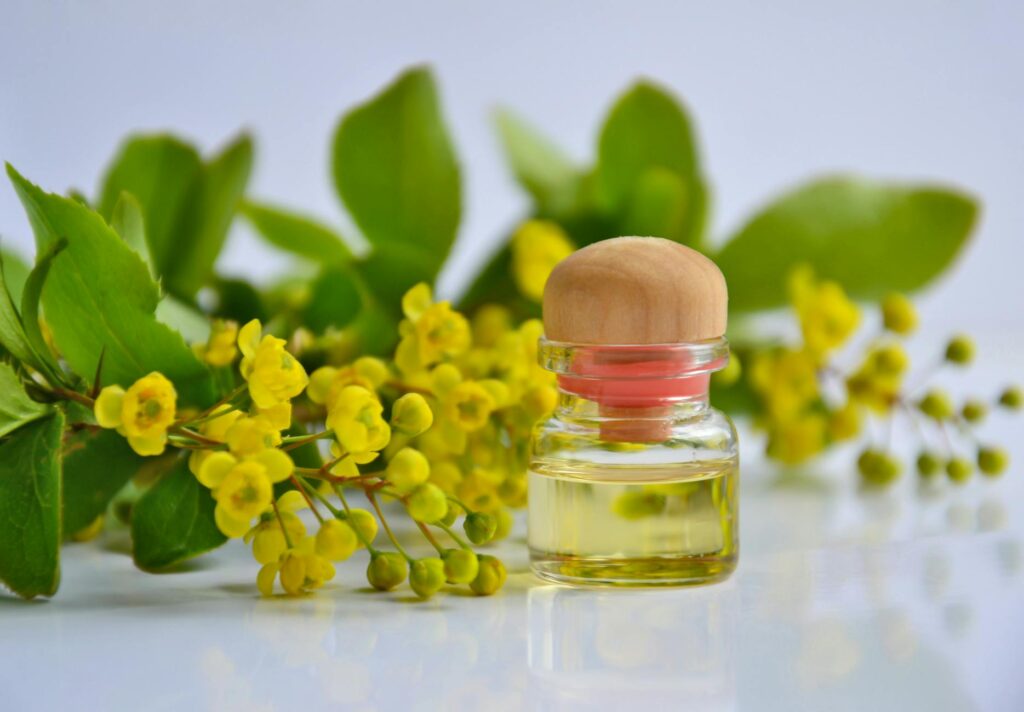
Health Benefits of Botanical Ingredients – Maracuja Oil
Introduction
In recent years, there has been a growing interest in natural remedies and holistic approaches to health and wellness. Among the many botanical ingredients that have gained popularity, maracuja oil stands out for its unique properties and numerous benefits. Derived from the seeds of the passion fruit (Passiflora edulis), maracuja oil is not only revered for its delightful fragrance but also for its versatility in skincare, haircare, and aromatherapy. This article explores the various aspects of maracuja oil, including its benefits, common uses, and safety considerations.
What Is Botanical Ingredients – Maracuja Oil?
Maracuja oil, also known as passion fruit seed oil, is extracted from the seeds of the passion fruit plant, which is native to South America. The oil is cold-pressed to retain its beneficial nutrients, resulting in a light, non-greasy oil that is rich in essential fatty acids, vitamins, and antioxidants. It has a pale yellow color and a slightly nutty aroma. The oil is celebrated not only for its hydrating properties but also for its ability to enhance the overall appearance of the skin and hair.
Key Benefits and Properties
Maracuja oil boasts a plethora of beneficial properties that contribute to its appeal in the beauty and wellness industries:
Hydration
Rich in essential fatty acids, particularly linoleic acid, maracuja oil is an excellent moisturizer for both skin and hair. It penetrates deeply, providing hydration without clogging pores, making it suitable for various skin types, including oily and combination skin.
Antioxidant Properties
The oil is a source of antioxidants, which help combat oxidative stress and free radical damage. This property is essential in maintaining youthful skin and preventing premature aging.
Anti-Inflammatory Effects
Maracuja oil contains compounds that may help reduce inflammation, making it beneficial for sensitive or irritated skin. Its soothing properties can aid in calming conditions such as redness and irritation.
Skin Repair and Healing
Rich in vitamins A and C, maracuja oil supports the skin’s natural healing processes. It may enhance the appearance of scars, uneven skin tone, and hyperpigmentation.
Hair Nourishment
Not only does maracuja oil benefit the skin, but it also promotes healthy hair. Its emollient properties help to strengthen hair strands, improve elasticity, and reduce frizz.
Balancing Oily Skin
The oil’s high content of linoleic acid can help balance sebum production in oily skin types. By regulating oil production, it may help reduce the occurrence of acne and breakouts.
Common Uses
Maracuja oil is a versatile ingredient that can be utilized in various applications:
Skincare
Incorporated into facial oils, moisturizers, and serums, maracuja oil is celebrated for its hydrating and nourishing properties. It can also be blended with other essential oils for enhanced benefits.
Haircare
Maracuja oil can be used as a leave-in conditioner, hair serum, or added to shampoo and conditioner formulations. Its lightweight texture makes it suitable for all hair types, providing moisture and shine.
Body Care
This oil can be included in body lotions and creams, helping to hydrate and soften the skin, particularly in dry or rough areas.
Culinary Uses
While primarily used in cosmetics, maracuja oil can also be incorporated into culinary applications. It is often used in salad dressings, dips, and marinades due to its light flavor and nutritional benefits.
Aromatherapy Applications
The aromatic profile of maracuja oil can enhance the sensory experience in various aromatherapy practices. While not commonly used as an essential oil, its fragrance can promote relaxation and uplift the mood. Here are some ways it can be applied in aromatherapy:
Diffusion
Adding a few drops of maracuja oil to a diffuser can create a calming atmosphere, potentially aiding in stress relief and relaxation.
Massage
When mixed with a carrier oil, maracuja oil can be used for therapeutic massage. Its soothing and hydrating properties can enhance the massage experience, promoting relaxation and skin nourishment.
Bath Soaks
Adding maracuja oil to bathwater can create a luxurious bathing experience. The oil provides hydration to the skin while the aroma contributes to a calming ambiance.
Safety Considerations
While maracuja oil is generally regarded as safe for topical use, it is essential to consider the following safety measures:
Patch Test
Before using maracuja oil on a larger area of skin, it is advisable to perform a patch test. Apply a small amount to a discreet area and observe for any adverse reactions over 24 hours.
Dilution
Maracuja oil should be diluted with a carrier oil before applying it to the skin, especially for individuals with sensitive skin. Common carrier oils include jojoba, sweet almond, or coconut oil.
Pregnancy and Nursing
While maracuja oil is considered safe for most individuals, pregnant or nursing women should consult with a healthcare provider before using any new products.
Allergies
Individuals with a known allergy to passion fruit or related plants should avoid using maracuja oil.
Storage and Shelf Life
To maintain the quality and efficacy of maracuja oil, proper storage is crucial:
Storage Conditions
Maracuja oil should be stored in a cool, dark place, away from direct sunlight and heat sources. A dark glass bottle is ideal for protecting the oil from light degradation.
Shelf Life
When stored correctly, maracuja oil typically has a shelf life of around 12 to 24 months. However, it is essential to monitor the oil for any changes in color, smell, or texture, which may indicate spoilage.
Frequently Asked Questions
1. Can maracuja oil be used on all skin types?
Yes, maracuja oil is suitable for various skin types, including oily, dry, and combination skin. Its lightweight texture and non-comedogenic properties make it an excellent choice for many.
2. How often should I use maracuja oil?
Maracuja oil can be used daily as part of your skincare or haircare routine. It can be applied in the morning and evening, depending on your preferences.
3. Is maracuja oil safe for sensitive skin?
Yes, maracuja oil is known for its soothing and anti-inflammatory properties, making it a suitable option for sensitive skin. However, individuals with sensitive skin should always perform a patch test first.
4. Can I use maracuja oil for cooking?
Yes, maracuja oil can be used in culinary applications, such as salad dressings or marinades. Its light flavor and health benefits make it a valuable addition to various dishes.
5. Where can I purchase maracuja oil?
Maracuja oil can be found in specialty health stores, online retailers, and beauty supply shops. Ensure you choose high-quality, cold-pressed oil for the best results.
Conclusion
Maracuja oil is a remarkable botanical ingredient that offers a range of benefits for skincare, haircare, and aromatherapy. Its hydrating, soothing, and nourishing properties make it a valuable addition to personal care routines. By understanding its uses, benefits, and safety considerations, individuals can harness the power of maracuja oil to enhance their overall wellness and beauty. As with any natural product, it’s essential to approach its use with knowledge and care to maximize its potential benefits.