
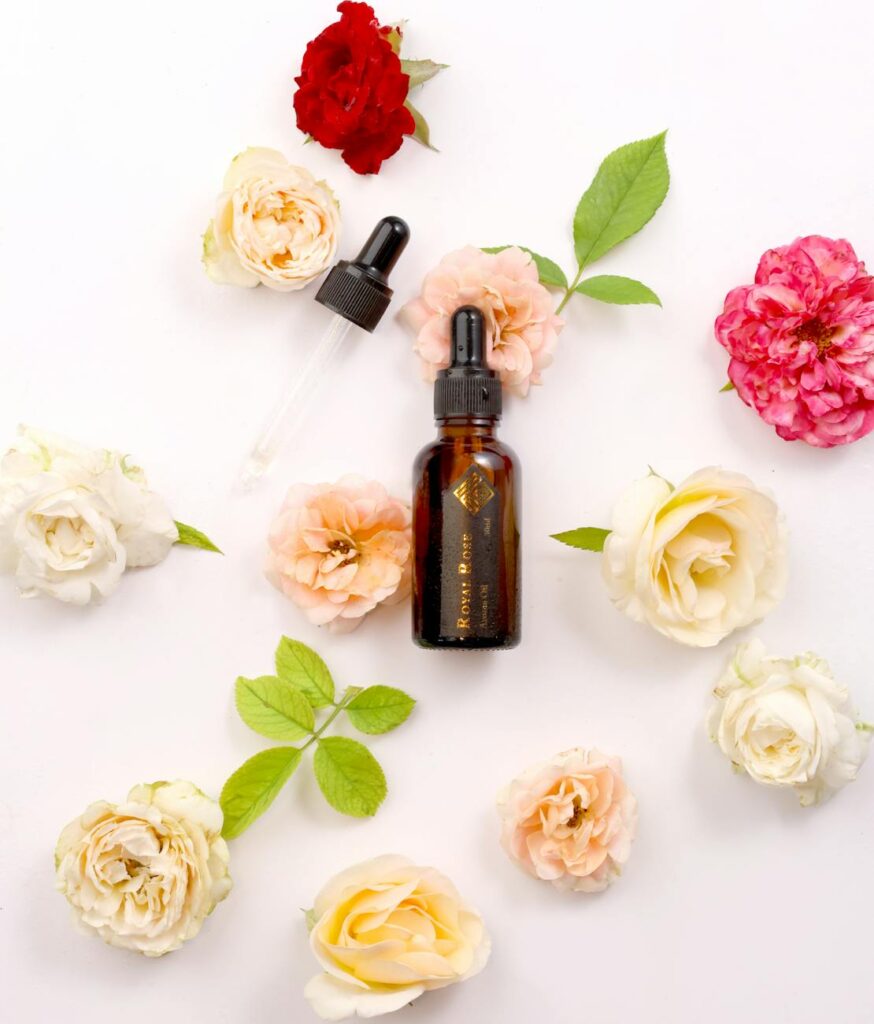
Health Benefits of Botanical Ingredients – Rose Oil
Introduction
Rose oil, extracted from the petals of the Rosa damascena, also known as the Damask rose, is a cherished component of aromatherapy and natural healing practices. Renowned for its captivating fragrance and myriad therapeutic properties, this oil has been used for centuries in various cultures for its beauty and health benefits. This article delves into the essence of rose oil, exploring its characteristics, benefits, common applications, and safety considerations.
What Is Botanical Ingredient – Rose Oil?
Rose oil is a vital botanical essence obtained primarily through steam distillation of fresh rose petals. The extraction process is labor-intensive, requiring approximately 10,000 to 15,000 rose petals to produce just 5 milliliters of pure oil, which contributes to its high value and status as a luxury item in the world of essential oils.
There are several varieties of rose oil, with Damask rose being the most prevalent in aromatherapy due to its rich aroma and potent properties. The oil boasts a complex chemical composition, which includes compounds such as citronellol, geraniol, and phenyl ethanol, contributing to its unique scent and therapeutic effects.
Key Benefits and Properties
Emotional and Psychological Benefits
Rose oil is frequently associated with emotional well-being. Its soothing fragrance is believed to help alleviate feelings of anxiety and stress, promoting relaxation and enhancing mood. Many practitioners of aromatherapy utilize rose oil to create a calming atmosphere, making it particularly popular in practices aimed at emotional healing.
Skin Care Properties
The oil is also renowned for its skin-friendly properties. Rose oil possesses anti-inflammatory and antiseptic qualities, making it an excellent choice for sensitive or irritated skin. Its hydrating effects can help reduce the appearance of scars and fine lines, leading to a more radiant complexion.
Antioxidant Activity
Rich in antioxidants, rose oil helps combat oxidative stress and may protect skin cells from damage caused by free radicals. This property is essential for maintaining overall skin health and combating the signs of aging.
Common Uses
Rose oil finds its application in various domains, including:
Skincare Products
Many beauty brands incorporate rose oil into creams, serums, and lotions due to its hydrating and anti-aging properties. It is often used in formulations aimed at dry, sensitive, or mature skin.
Perfumeries
Thanks to its exquisite fragrance, rose oil is a staple in the perfume industry. It adds depth and complexity to scent profiles, making it a favored ingredient in both high-end and artisanal perfumes.
Bath and Body Products
Rose oil is frequently found in bath oils, shower gels, and body scrubs, providing not only a delightful fragrance but also skin-nourishing benefits.
Household Products
Some household cleaning products and air fresheners utilize rose oil for its pleasant scent and antimicrobial properties, contributing to a fresh and inviting environment.
Aromatherapy Applications
In the realm of aromatherapy, rose oil is often used in various applications aimed at promoting emotional balance and relaxation. Here are some popular methods:
Diffusion
Using an essential oil diffuser, one can disperse the fragrant molecules of rose oil into the air. This method is widely used to create a calming environment, particularly during meditation, yoga, or relaxation practices.
Topical Application
When diluted with a carrier oil, such as jojoba or sweet almond oil, rose oil can be applied directly to the skin. This method is popular for skin care and can also be used in massage therapy to enhance relaxation and alleviate tension.
Bathing
Adding a few drops of rose oil to a warm bath can create a luxurious and soothing experience. The heat helps to release the oil’s aromatic compounds, allowing for both inhalation and skin absorption.
Inhalation
Simply inhaling the scent of rose oil directly from the bottle or from a cotton pad can provide immediate emotional relief. This method is effective for quick stress relief and enhancing mood.
Safety Considerations
While rose oil is generally considered safe for use, there are a few important safety considerations to keep in mind:
Skin Sensitivity
As with any essential oil, a patch test is advisable before using rose oil topically. Diluting the oil with a carrier oil can help minimize the risk of skin irritation. Individuals with sensitive skin should exercise caution.
Pregnancy and Nursing
Pregnant or nursing individuals should consult with a qualified healthcare provider before using essential oils, including rose oil, as certain oils may not be suitable during these stages.
Allergies
Individuals with known allergies to roses or related plants should avoid using rose oil to prevent allergic reactions.
Quality of Oil
When purchasing rose oil, it is crucial to choose high-quality, pure essential oils from reputable sources. Synthetic or adulterated oils may not provide the same benefits and could pose risks to health.
Storage and Shelf Life
Proper storage of rose oil is essential to maintain its quality and efficacy. Here are some guidelines:
Storage Conditions
Rose oil should be stored in a cool, dark place, away from direct sunlight and heat sources. A dark glass bottle is ideal for protecting the oil from light exposure, which can degrade its quality.
Shelf Life
Typically, rose oil has a shelf life of around 1 to 2 years when stored correctly. However, it’s essential to monitor the oil for any changes in color, aroma, or consistency, which may indicate that it has gone rancid.
Frequently Asked Questions
1. What is the difference between rose oil and rose absolute?
Rose oil refers to the essential oil extracted through steam distillation, while rose absolute is obtained through solvent extraction. Rose absolute tends to have a richer and more intense fragrance but may contain residual solvents.
2. Can rose oil be used for cooking?
Rose oil is primarily intended for external use and aromatherapy. Culinary rose water, made from the distillation of rose petals, is more commonly used for cooking and baking.
3. How can I incorporate rose oil into my daily routine?
Incorporating rose oil into your daily routine can be as simple as adding a few drops to your skincare products, using it in a diffuser during meditation, or taking a relaxing bath with rose oil added.
4. Is rose oil suitable for all skin types?
While rose oil is generally safe for most skin types, individuals with sensitive or reactive skin should perform a patch test and consider diluting the oil with a carrier oil.
5. Can rose oil help with mood swings?
Many users report that rose oil helps promote emotional balance and alleviate feelings of anxiety. However, individual responses may vary, and it is essential to explore various methods of emotional support in conjunction with other practices.
Conclusion
Rose oil stands out as a versatile and richly fragrant botanical ingredient with numerous potential benefits. From its historical use in cosmetics and perfumery to its applications in aromatherapy and skincare, rose oil continues to captivate enthusiasts and practitioners alike. By understanding its properties, uses, and safety considerations, individuals can harness the essence of this remarkable oil to enhance their overall well-being.