
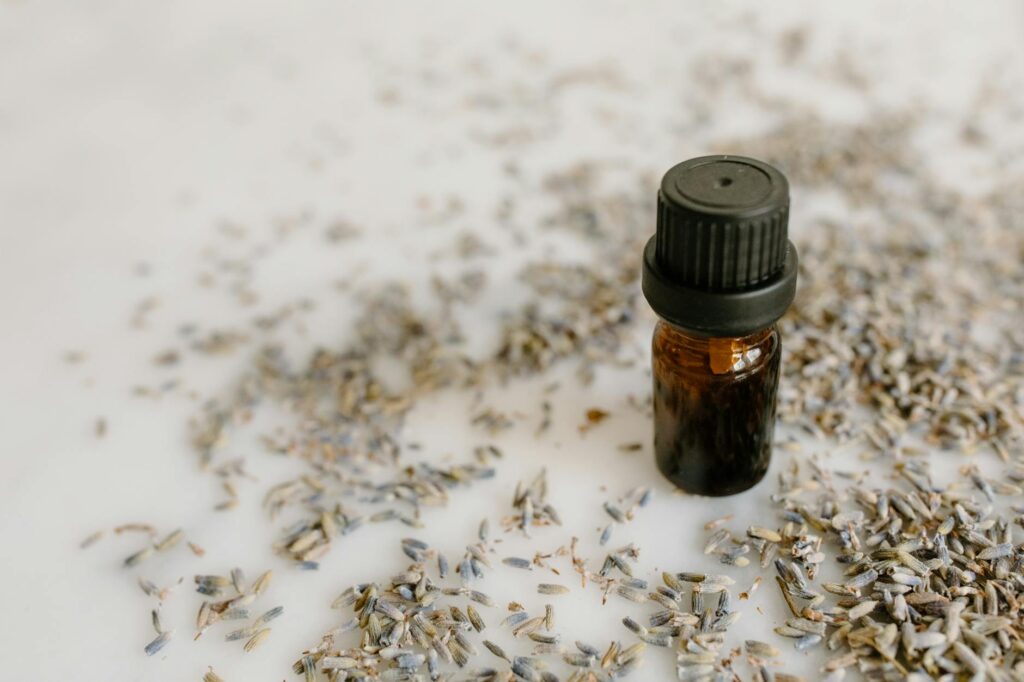
Health Benefits of Botanical Ingredients – Sea Buckthorn Oil
Introduction
In recent years, the interest in natural remedies and holistic approaches to health has surged, leading many to explore the benefits of botanical ingredients. Among these, sea buckthorn oil has garnered attention for its rich nutritional profile and potential therapeutic properties. This article delves into the origins, benefits, and applications of sea buckthorn oil, offering a comprehensive overview for those curious about this remarkable botanical ingredient.
What Is Botanical Ingredients – Sea Buckthorn Oil?
Sea buckthorn oil is derived from the berries, seeds, and leaves of the sea buckthorn plant (Hippophae rhamnoides), a shrub native to Europe and Asia. The plant thrives in harsh climates and is known for its resilience, producing bright orange berries that are rich in nutrients. These berries have been used for centuries in traditional medicine, particularly in regions like Tibet and Mongolia, where they are revered for their health-promoting qualities.
The oil extracted from sea buckthorn is typically obtained through cold-pressing or solvent extraction methods, preserving its beneficial compounds. The resulting oil is a vibrant orange in color, with a distinct earthy aroma, and contains a wide range of bioactive components, including vitamins, fatty acids, and antioxidants.
Key Benefits and Properties
Sea buckthorn oil is celebrated for its diverse array of health benefits, attributed to its unique composition:
1. Rich in Nutrients
Sea buckthorn oil is a powerhouse of vitamins, particularly vitamin C, vitamin E, and several B vitamins. It also contains essential fatty acids, including omega-3, omega-6, omega-7, and omega-9, contributing to its nourishing properties.
2. Antioxidant Properties
The oil is high in antioxidants, such as flavonoids and carotenoids, which help combat oxidative stress in the body. These antioxidants play a crucial role in neutralizing free radicals, thus supporting overall cellular health.
3. Anti-Inflammatory Effects
Research suggests that sea buckthorn oil may possess anti-inflammatory properties, which can aid in reducing inflammation in the body. This is particularly relevant for skin conditions and other inflammatory disorders.
4. Skin Health
The oil is often used in skincare products due to its moisturizing and healing properties. It is believed to promote skin regeneration, improve hydration, and support the skin’s natural barrier function, making it beneficial for various skin issues.
5. Immune Support
Some studies indicate that sea buckthorn oil may enhance immune function due to its rich nutrient profile, providing essential support for the body’s defense mechanisms.
Common Uses
Sea buckthorn oil can be utilized in various forms and for multiple purposes. Its versatility makes it a popular ingredient in several domains, including:
- Skincare Products: Sea buckthorn oil is commonly found in creams, lotions, and serums designed to hydrate and repair the skin. Its nourishing properties are particularly beneficial for dry or sensitive skin.
- Supplements: The oil can be consumed as a dietary supplement, often in capsule form, to harness its internal health benefits.
- Culinary Uses: While less common, sea buckthorn oil can also be used in cooking or as a salad dressing, adding a nutritional boost to meals.
- Cosmetic Applications: Beyond skincare, sea buckthorn oil is used in hair care products for its potential to enhance shine and improve scalp health.
- Allergic Reactions: As with any botanical product, individuals should perform a patch test before using the oil on their skin to check for any allergic reactions.
- Pregnancy and Nursing: Pregnant or nursing women should consult a healthcare professional before using sea buckthorn oil, as research on its safety during these periods is limited.
- Medication Interactions: Those taking medications or with existing health conditions should consult with a healthcare provider before incorporating sea buckthorn oil into their regimen.
- Cool, Dark Place: Store the oil in a cool, dark place away from direct sunlight and heat. This helps prevent oxidation and degradation of the oil.
- Tightly Sealed Containers: Keep the oil in tightly sealed containers to minimize exposure to air, which can lead to rancidity.
- Shelf Life: When stored properly, sea buckthorn oil typically has a shelf life of about 1 to 2 years. It’s advisable to check for any changes in color, smell, or consistency before use.
Aromatherapy Applications
In the realm of aromatherapy, sea buckthorn oil is gaining recognition for its therapeutic properties. Although it is not typically used as a primary essential oil due to its heavy consistency, it can be blended with other essential oils to enhance its effects.
1. Blending with Essential Oils
Sea buckthorn oil can be mixed with lighter essential oils like lavender, tea tree, or eucalyptus to create a balanced blend. This combination can enhance the overall therapeutic experience, promoting relaxation and skin nourishment.
2. Skin Application
In aromatherapy, sea buckthorn oil can be used in topical applications to support skin health. Diluting it with a carrier oil, such as jojoba or sweet almond oil, can help deliver its benefits while minimizing the risk of irritation.
3. Diffusion
While not typically diffused on its own, incorporating sea buckthorn oil into a blend with other essential oils can create a soothing atmosphere. Its earthy aroma can promote a sense of grounding and tranquility.
Safety Considerations
While sea buckthorn oil is generally considered safe for topical and culinary use, certain precautions should be taken:
Storage and Shelf Life
Proper storage is crucial to maintain the quality and efficacy of sea buckthorn oil. Here are some guidelines:
Frequently Asked Questions
1. Is sea buckthorn oil safe for all skin types?
While sea buckthorn oil is beneficial for many skin types, individuals with sensitive skin should perform a patch test to ensure they do not experience irritation.
2. Can I ingest sea buckthorn oil?
Yes, sea buckthorn oil can be taken as a dietary supplement, typically in capsule form. However, it is advisable to consult with a healthcare provider before starting any new supplement.
3. How do I incorporate sea buckthorn oil into my skincare routine?
Sea buckthorn oil can be added to your skincare routine by applying it directly to the skin or mixing it with your favorite moisturizer. Start with a small amount and adjust based on your skin’s needs.
4. What are the best essential oils to blend with sea buckthorn oil?
Lighter essential oils such as lavender, chamomile, or tea tree oil can be effectively blended with sea buckthorn oil to enhance its therapeutic properties.
5. How can I tell if my sea buckthorn oil has gone bad?
Signs that sea buckthorn oil may have gone bad include changes in color, a rancid odor, or a thickened consistency. If you notice any of these changes, it is best to discard the oil.
Conclusion
Sea buckthorn oil is a remarkable botanical ingredient, rich in nutrients and versatile in its applications. Whether used in skincare, aromatherapy, or as a dietary supplement, its potential benefits are vast. As with any natural product, individual results may vary, and it is essential to approach its use with knowledge and care. By understanding the properties and applications of sea buckthorn oil, individuals can make informed choices that align with their wellness goals.