
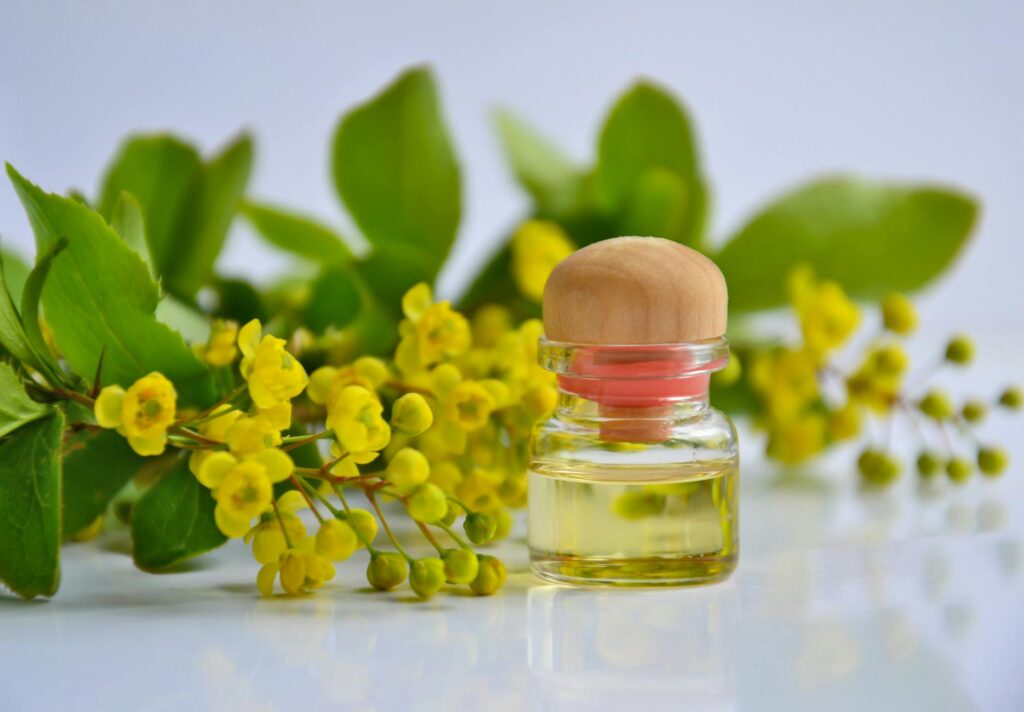
Health Benefits of Cacay Oil
Introduction
Cacay oil has emerged as a potent contender in the world of natural oils and skincare. Derived from the seeds of the Cacay tree (Caryodendron orinocense), this oil has garnered attention for its rich nutrient profile and diverse applications. As more individuals seek natural alternatives to conventional skincare products, understanding the benefits and uses of cacay oil becomes increasingly relevant. This article delves into what cacay oil is, its key benefits and properties, common uses, applications in aromatherapy, safety considerations, storage tips, and answers to frequently asked questions.
What Is Cacay Oil?
Cacay oil is extracted from the seeds of the Cacay tree, which is native to the Amazon rainforest in South America. The Cacay tree can grow up to 25 meters tall and produces large, green pods that contain the seeds from which the oil is obtained. The extraction process typically involves cold-pressing the seeds, which helps to retain the oil’s beneficial properties.
Rich in essential fatty acids, vitamins, and antioxidants, cacay oil has gained popularity in the beauty industry for its moisturizing and skin-rejuvenating properties. It is often compared to other well-known oils, such as argan and rosehip, but boasts a unique composition that sets it apart.
Key Benefits and Properties
1. High in Nutrients
Cacay oil is notably rich in several key nutrients:
- Vitamin E: Known for its antioxidant properties, vitamin E helps combat oxidative stress and supports skin health.
- Vitamin A: This vitamin promotes skin regeneration and can help improve the appearance of fine lines.
- Essential Fatty Acids: Cacay oil contains linoleic acid and oleic acid, which are beneficial for maintaining skin hydration and barrier function.
2. Moisturizing Properties
The unique blend of fatty acids in cacay oil makes it an excellent moisturizer. It penetrates the skin easily, providing hydration without a greasy residue. This makes it suitable for various skin types, including oily and combination skin.
3. Anti-Aging Benefits
The antioxidants found in cacay oil may help reduce the appearance of aging by combating free radicals. Regular use can improve skin elasticity and reduce the visibility of fine lines and wrinkles.
4. Skin Healing
Cacay oil is known for its skin-soothing properties, making it beneficial for conditions such as dryness, irritation, and even acne. Its anti-inflammatory properties can help calm red or inflamed skin.
5. Non-Comedogenic
Unlike some oils that can clog pores, cacay oil is considered non-comedogenic, making it a safe option for individuals prone to acne and breakouts.
Common Uses
Cacay oil is versatile and can be used in various applications:
1. Skincare Products
Cacay oil is commonly incorporated into moisturizers, serums, and facial oils due to its hydrating and rejuvenating properties. It is particularly beneficial for mature skin types or those looking for an extra boost of moisture.
2. Hair Care
This oil can also be applied to hair to enhance shine, reduce frizz, and promote overall health. A few drops can be massaged into the scalp to moisturize and nourish hair follicles.
3. Massage Oil
Due to its smooth texture, cacay oil can serve as an excellent carrier oil for essential oils during massage treatments, helping to hydrate the skin while enhancing the therapeutic effects of the essential oils.
4. DIY Products
Cacay oil is a popular choice for DIY skincare enthusiasts. It can be blended with other oils or ingredients to create personalized skincare formulations, such as facial masks or scrubs.
Aromatherapy Applications
While cacay oil is primarily known for its skin and hair benefits, it can also play a role in aromatherapy. Its subtle, nutty scent can be used in diffusers or blended with essential oils for therapeutic purposes.
1. Blending with Essential Oils
Cacay oil can be combined with various essential oils to create customized blends for relaxation, stress relief, or uplifting moods. Some popular essential oils to blend with cacay oil include lavender for relaxation, eucalyptus for respiratory support, and citrus oils for an energizing boost.
2. Skin-Enhancing Aromatherapy
In aromatherapy practices focusing on skin health, cacay oil can be used as a carrier oil to dilute essential oils before application. This allows for the benefits of both the essential oils and cacay oil to be absorbed by the skin.
Safety Considerations
Although cacay oil is generally considered safe for topical use, some individuals may have sensitivities or allergies to nut oils. It is advisable to perform a patch test before using cacay oil extensively.
1. Patch Testing
To conduct a patch test, apply a small amount of oil to a discreet area of skin, such as the inside of the wrist or behind the ear. Wait 24 hours to observe for any adverse reactions, such as redness, itching, or swelling.
2. Consult a Professional
If you have pre-existing skin conditions or are pregnant or nursing, it is wise to consult a healthcare professional before incorporating cacay oil into your skincare or wellness routine.
Storage and Shelf Life
Proper storage is essential for maintaining the quality and effectiveness of cacay oil:
1. Storage Conditions
Cacay oil should be stored in a cool, dark place, away from direct sunlight and heat. This helps to preserve its nutritional properties and prevent oxidation.
2. Shelf Life
When stored correctly, cacay oil typically has a shelf life of about 12 to 24 months. It is important to check for any changes in color, scent, or consistency, which may indicate that the oil has gone rancid.
Frequently Asked Questions
1. Is cacay oil suitable for all skin types?
Yes, cacay oil is generally suitable for all skin types, including oily, dry, and sensitive skin. Its lightweight texture and non-comedogenic properties make it versatile for various applications.
2. Can cacay oil replace my regular moisturizer?
Cacay oil can be used alone or in conjunction with your regular moisturizer. It can enhance hydration and provide additional skin benefits, making it a valuable addition to your skincare routine.
3. How often should I use cacay oil?
The frequency of use can vary based on personal preference and skin type. Many people find that applying cacay oil once or twice a day is effective for maintaining skin hydration and health.
4. Can I use cacay oil on my hair?
Yes, cacay oil can be applied to hair to promote shine and moisture. It can be used as a leave-in treatment or added to hair masks for added nourishment.
5. Where can I purchase cacay oil?
Cacay oil is available in health food stores, beauty supply shops, and online retailers. When purchasing, it is advisable to choose high-quality, cold-pressed oils to ensure maximum benefits.
Conclusion
Cacay oil stands out as a remarkable natural oil with a host of benefits for skin and hair. Its rich nutrient profile, moisturizing properties, and versatility make it an appealing option for those seeking natural alternatives in their beauty and wellness routines. As always, it is essential to approach new products thoughtfully and consider individual needs and sensitivities.