
Health Benefits of Camellia Seed Oil
Introduction
Camellia seed oil, derived from the seeds of the Camellia plant, particularly Camellia oleifera and Camellia sinensis, has gained significant attention in recent years for its myriad health benefits and versatile applications. This oil is cherished in various cultures, especially in Asia, for its nutritional properties and skin-enhancing qualities. As an essential component of traditional Eastern medicine and modern wellness practices, camellia seed oil is becoming increasingly popular in the realm of natural health and beauty.
What Is Camellia Seed Oil?
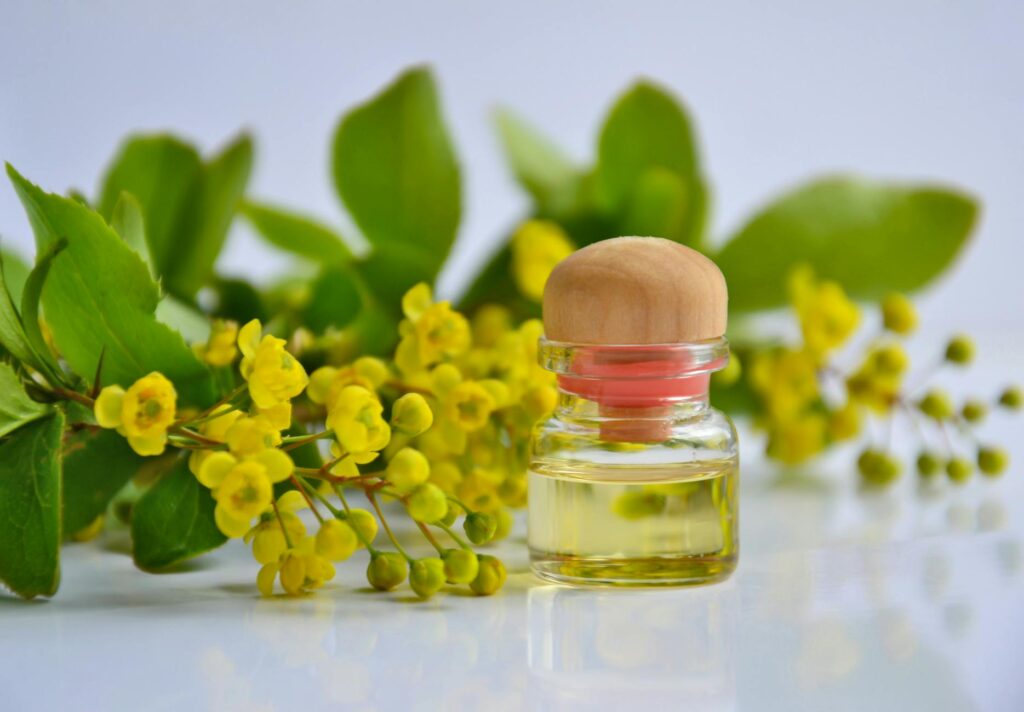
Camellia seed oil is extracted from the seeds of the Camellia plant, a flowering evergreen shrub native to East Asia. The oil is often cold-pressed to preserve its beneficial compounds, yielding a light, pale yellow liquid with a delicate, nutty aroma. Rich in fatty acids, antioxidants, vitamins, and minerals, camellia seed oil has a composition similar to that of human sebum, which allows for excellent absorption into the skin.
The oil is commonly referred to as tea seed oil, especially when derived from Camellia sinensis, the plant from which green tea is made. In addition to its culinary applications, camellia seed oil is also celebrated for its skincare, haircare, and overall wellness benefits.
Key Benefits and Properties
1. Rich in Nutrients
Camellia seed oil is packed with essential fatty acids, particularly oleic acid, which constitutes a significant portion of its composition. This monounsaturated fat is known to nourish the skin, promote elasticity, and support overall skin health. The oil also contains linoleic acid, which helps maintain the skin’s moisture barrier.
2. Antioxidant Properties
The oil is rich in antioxidants, including tocopherols (vitamin E), polyphenols, and squalene. These antioxidants help neutralize free radicals in the body, reducing oxidative stress and inflammation. This property contributes to the oil’s anti-aging effects, promoting a youthful appearance and reducing the visibility of fine lines and wrinkles.
3. Moisturizing Qualities
Due to its emollient properties, camellia seed oil is an effective moisturizer. It penetrates easily into the skin without leaving a greasy residue, making it suitable for all skin types, including oily and acne-prone skin. Regular application can lead to softer, smoother skin and improved hydration.
4. Anti-Inflammatory Effects
Several studies suggest that camellia seed oil possesses anti-inflammatory properties, which can help soothe irritated skin and reduce redness. This makes it beneficial for those with conditions such as eczema or psoriasis.
5. Hair Health
Camellia seed oil can also be beneficial for hair. It acts as a natural conditioner, adding shine and reducing frizz. Its lightweight texture allows it to penetrate the hair shaft, strengthening the hair and preventing breakage.
Common Uses
1. Skincare
Camellia seed oil is used in various skincare products, including moisturizers, serums, and facial oils. Its lightweight texture makes it an excellent choice for both daytime and nighttime applications.
2. Haircare
In haircare formulations, camellia seed oil is often included in shampoos, conditioners, and styling products. It helps improve manageability and enhances shine.
3. Cooking
When derived from Camellia sinensis, camellia seed oil is used in culinary applications due to its high smoke point and mild flavor. It can be used for frying, sautéing, and salad dressings.
4. Massage Oil
Due to its skin-nourishing properties, camellia seed oil is often used as a base oil in massage therapy. Its absorbent nature allows for a smooth application, enhancing the overall experience.
Aromatherapy Applications
While camellia seed oil is not an essential oil, it can play a complementary role in aromatherapy. Its light texture makes it an excellent carrier oil for diluting essential oils. Here are some ways it can be utilized in aromatherapy:
1. Carrier Oil
Camellia seed oil can be blended with essential oils such as lavender, peppermint, or eucalyptus to create personalized aromatherapy blends. Its moisturizing properties help deliver the benefits of the essential oils while nourishing the skin.
2. Diffusion
Though not typically used in diffusers, camellia seed oil can be added to DIY blends to enhance the aroma and provide additional skin benefits.
3. Bath Soaks
Adding a few drops of essential oils diluted in camellia seed oil to a warm bath can create a soothing experience, promoting relaxation and skin hydration.
Safety Considerations
While camellia seed oil is generally considered safe for topical use, it is essential to perform a patch test before applying it to larger areas of the skin, especially for those with sensitive skin or allergies. Some individuals may experience allergic reactions, so monitoring for irritation is advisable.
1. Allergies
Those allergic to other seed oils or who have known sensitivities should exercise caution.
2. Pregnancy and Breastfeeding
As with any essential oil or concentrated oil, it is recommended to consult with a healthcare provider before using camellia seed oil during pregnancy or while breastfeeding.
3. Interaction with Other Products
Camellia seed oil can be combined with various skincare products, but it is advisable to avoid mixing it with products containing strong active ingredients such as retinol or alpha hydroxy acids without professional guidance.
Storage and Shelf Life
Camellia seed oil should be stored in a cool, dark place away from direct sunlight to maintain its efficacy. In a properly sealed container, the oil can last for about 1 to 2 years. It is advisable to check for any changes in color, smell, or consistency before use, as these may indicate rancidity.
Frequently Asked Questions
1. Can camellia seed oil be used on all skin types?
Yes, camellia seed oil is lightweight and absorbs quickly, making it suitable for all skin types, including oily and acne-prone skin.
2. Is camellia seed oil comedogenic?
Camellia seed oil has a low comedogenic rating, meaning it is less likely to clog pores compared to heavier oils. However, individual reactions may vary.
3. How can I incorporate camellia seed oil into my skincare routine?
You can use camellia seed oil as a standalone moisturizer, mix it with your existing products, or use it as a carrier oil for essential oils.
4. Is camellia seed oil safe for cooking?
Yes, camellia seed oil has a high smoke point and mild flavor, making it suitable for cooking applications such as frying and sautéing.
5. Can I use camellia seed oil for hair treatments?
Yes, camellia seed oil can be applied to hair as a conditioning treatment to enhance shine, reduce frizz, and improve overall hair health.
Conclusion
Camellia seed oil is a versatile and nutrient-rich oil with numerous health benefits and applications. From skincare and haircare to culinary uses, its rich composition of fatty acids, antioxidants, and vitamins makes it a valuable addition to various routines. As interest in natural health and wellness continues to grow, camellia seed oil stands out as a remarkable oil that supports both beauty and overall well-being.