
Health Benefits of Castor Oil
Introduction
Castor oil has been utilized for centuries, revered for its numerous health benefits and versatile applications. Derived from the seeds of the Ricinus communis plant, castor oil is a pale yellow liquid with a distinct aroma and a rich composition of fatty acids. Its applications range from traditional remedies to modern-day wellness practices, making it a noteworthy oil in both culinary and therapeutic contexts. This article explores the properties, benefits, and various uses of castor oil, providing an in-depth understanding of its role in health and wellness.
What Is Castor Oil?
Castor oil is extracted from the seeds of the castor bean plant, native to Africa and the Mediterranean region. The oil is obtained through a process of cold-pressing the seeds, which contain a high concentration of ricinoleic acid, a fatty acid known for its unique properties. The oil is colorless to pale yellow and has a viscous consistency. Besides ricinoleic acid, castor oil contains other fatty acids, including oleic and linoleic acids, which contribute to its moisturizing and emollient characteristics.
The use of castor oil can be traced back to ancient civilizations, where it was employed for various purposes, including skin care, hair care, and as a natural remedy for digestive issues. In modern times, it has found a place in cosmetics, pharmaceuticals, and alternative wellness practices, further solidifying its status as a multifunctional oil.
Key Benefits and Properties
Moisturizing Effects
One of the most celebrated properties of castor oil is its ability to deeply moisturize the skin. The high concentration of ricinoleic acid enables the oil to penetrate the skin barrier effectively, providing hydration and preventing moisture loss. This makes it an excellent choice for individuals with dry or dehydrated skin.
Anti-Inflammatory Properties
Research suggests that ricinoleic acid possesses anti-inflammatory properties, which can aid in alleviating discomfort associated with various skin conditions. By reducing inflammation, castor oil may help soothe irritations, promote healing, and restore balance to the skin.
Antimicrobial Action
Castor oil has demonstrated antimicrobial properties, making it a potential ally in combating certain infections. This characteristic can be particularly beneficial when applied topically, as it may help to inhibit the growth of bacteria and fungi.
Laxative Effects
Historically, castor oil has been used as a natural laxative due to its ability to stimulate bowel movements. While this use is well-known, it is essential to exercise caution and consult a healthcare professional when considering its consumption for digestive purposes.
Hair Conditioning
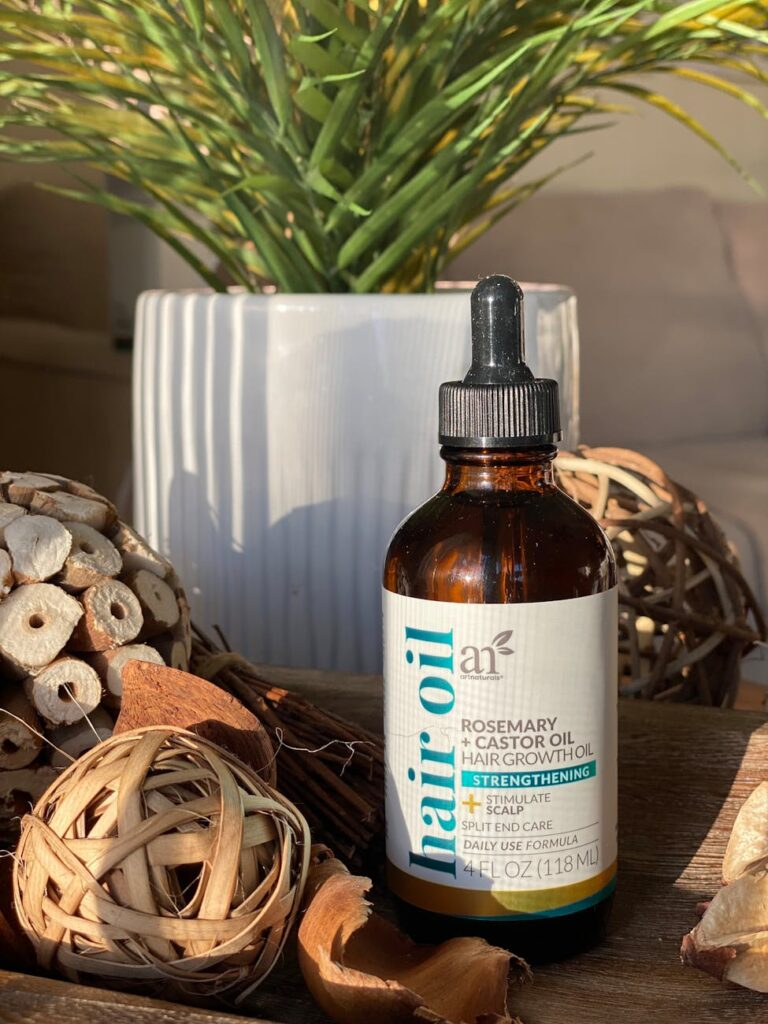
Castor oil is often touted for its benefits in hair care. Its rich fatty acid profile helps nourish the scalp, promote hair growth, and enhance hair shine. Many individuals incorporate castor oil into their hair care routine as a natural conditioner or treatment for dry, damaged hair.
Common Uses
Skin Care
Castor oil is commonly used in various skin care products, including moisturizers, serums, and lip balms. Its emollient nature makes it ideal for individuals seeking to improve skin texture and hydration. Additionally, it can be applied directly to the skin for targeted treatment of dryness or irritation.
Hair Care
Incorporating castor oil into hair care routines can promote healthier hair. It can be used as a deep conditioning treatment or added to shampoos and conditioners for enhanced moisture. Regular use may help to reduce split ends and improve overall hair appearance.
Massage Oil
Due to its thick consistency, castor oil can be blended with lighter oils to create a nourishing massage oil. Its skin-soothing properties make it a popular choice for relaxation and stress relief during massages.
Natural Laxative
Castor oil is sometimes utilized as a natural laxative, though it is essential to use it with caution. Individuals seeking relief from constipation may consider it, but it is advisable to consult with a healthcare provider for appropriate dosage and safety.
DIY Products
Castor oil serves as a versatile ingredient in various DIY projects, including homemade soaps, candles, and lotions. Its moisturizing properties enhance the quality of these products, making them suitable for skin care applications.
Aromatherapy Applications
While castor oil is not typically used in traditional aromatherapy practices, it can be combined with essential oils to create personalized blends. When diluted with carrier oils, castor oil can enhance the therapeutic properties of essential oils while providing additional moisturizing benefits.
Blending with Essential Oils
When creating aromatherapy blends, consider mixing castor oil with essential oils known for their calming or uplifting effects. For example, combining castor oil with lavender or chamomile can create a soothing blend for relaxation or stress relief.
Application Techniques
To use castor oil in aromatherapy, it is advisable to dilute it properly with other carrier oils before applying it to the skin. This can enhance absorption and minimize any potential irritation. Additionally, using castor oil in a warm compress can be a comforting way to experience its benefits.
Safety Considerations
While castor oil is generally considered safe for external use, there are several important safety considerations to keep in mind:
1. Patch Test: Before applying castor oil to larger areas of the skin, conduct a patch test to check for any allergic reactions or irritation.
2. Internal Use: If considering castor oil for internal use, consult a healthcare professional for guidance on safe dosage and potential interactions with medications.
3. Pregnancy and Breastfeeding: Pregnant and breastfeeding individuals should use caution and consult a healthcare provider before using castor oil, particularly for internal purposes.
4. Storage: Store castor oil in a cool, dark place to prevent oxidation and maintain its quality.
Storage and Shelf Life
To preserve the quality of castor oil, it is essential to store it properly. Keep the oil in a tightly sealed container, away from direct sunlight and heat sources. When stored correctly, castor oil has a shelf life of approximately one to two years. However, it is advisable to check for any changes in color, smell, or consistency before use, as these may indicate spoilage.
Frequently Asked Questions
Is castor oil safe for all skin types?
Generally, castor oil is safe for most skin types. However, individuals with sensitive skin should perform a patch test before applying it to larger areas.
Can castor oil be used on the face?
Yes, castor oil can be used on the face, particularly for dry or irritated skin. Its moisturizing properties can help enhance skin texture.
How can I use castor oil for hair growth?
To promote hair growth, consider massaging castor oil directly onto the scalp and leaving it on for several hours or overnight before washing it out. Regular application may yield beneficial results.
Is castor oil effective for treating acne?
Castor oil’s antimicrobial properties may help with acne management; however, results can vary from person to person. It’s best to consult a healthcare professional for personalized advice.
Can I ingest castor oil safely?
While castor oil can be ingested, it is crucial to consult with a healthcare provider for appropriate dosage and safety, especially for treating constipation.
Conclusion
Castor oil is a multifaceted oil with a rich history of use in various health and wellness applications. Its moisturizing, anti-inflammatory, and antimicrobial properties make it a valuable addition to skin and hair care routines, while its historical use as a natural laxative highlights its versatility. As with any natural product, it is essential to approach its use with awareness and caution, particularly regarding safety and storage. By understanding the benefits and applications of castor oil, individuals can explore its potential to enhance their overall well-being and incorporate it into their holistic health practices.