
Health Benefits of Cinnamon Oil
Introduction
Cinnamon oil, derived from the bark or leaves of the cinnamon tree, has been cherished for centuries for its aromatic and therapeutic properties. Known for its warm, spicy scent, this essential oil is not only a staple in culinary applications but also plays a significant role in the fields of aromatherapy and natural health. This article explores the various benefits and uses of cinnamon oil, providing a comprehensive overview of its properties, applications, and safety considerations.
What Is Cinnamon Oil?
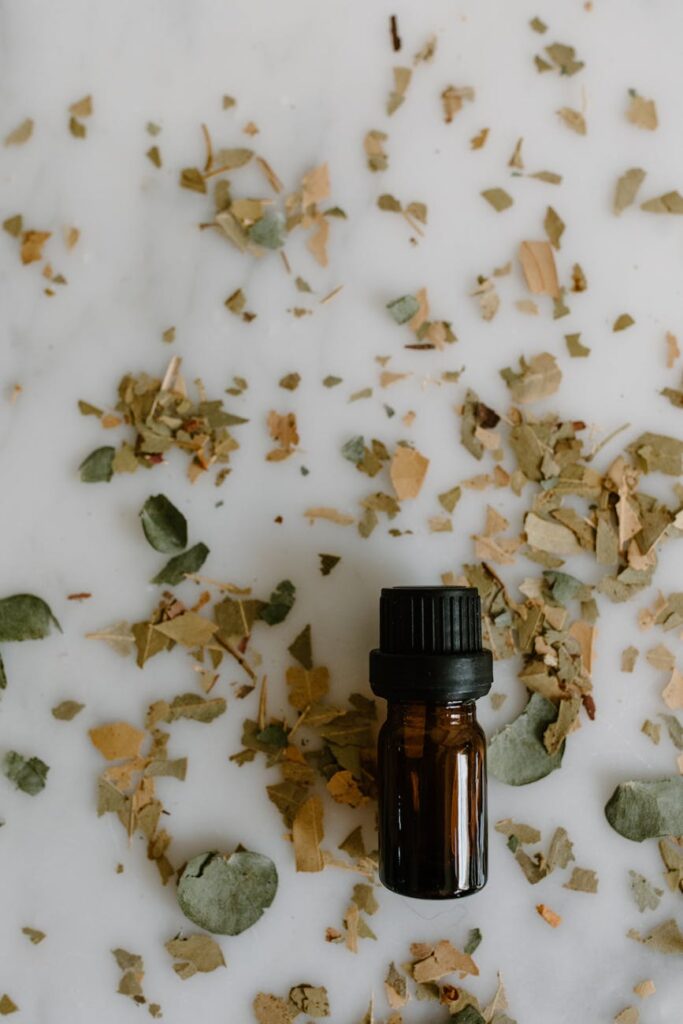
Cinnamon oil is extracted from the Cinnamomum genus of trees, primarily Cinnamomum verum (true cinnamon) and Cinnamomum cassia (Chinese cinnamon). The extraction process typically involves steam distillation, which captures the essential compounds of the plant. The oil is characterized by its rich, spicy aroma and a warm, golden-brown color.
Cinnamon oil contains numerous active constituents, including cinnamaldehyde, eugenol, and linalool, each contributing to its distinctive fragrance and potential benefits.
Key Benefits and Properties
Antimicrobial Properties
Cinnamon oil is renowned for its antimicrobial properties. Research has shown that it can inhibit the growth of various bacteria, fungi, and viruses. This makes it a popular choice for natural cleaning products and personal care items, as well as for use in diffusers to purify air.
Anti-inflammatory Effects
Cinnamon oil has been noted for its anti-inflammatory properties, which may help reduce inflammation in the body. This can be particularly beneficial for those suffering from conditions characterized by chronic inflammation.
Antioxidant Activity
The oil is rich in antioxidants, compounds that help combat oxidative stress and protect cells from damage caused by free radicals. Antioxidants may play a role in overall health and well-being, supporting the body’s natural defense mechanisms.
Digestive Aid
Cinnamon oil has been traditionally used to support digestive health. It may help alleviate discomfort associated with digestive issues, such as bloating or gas. Its carminative properties can promote a healthy digestive tract.
Mood Enhancer
The warm, inviting scent of cinnamon oil can have a positive impact on mood. Aromatherapy practitioners often use it to promote feelings of comfort and joy, making it a popular choice for stress relief and emotional balance.
Common Uses
Cinnamon oil can be utilized in various ways, reflecting its versatility and wide-ranging benefits:
Culinary Uses
While cinnamon oil is primarily used in aromatherapy, it can also be found in culinary applications. It can add flavor to baked goods, beverages, and savory dishes. However, it should be used sparingly due to its concentrated nature.
Personal Care Products
Cinnamon oil is often incorporated into personal care products, including soaps, lotions, and perfumes, for its aromatic qualities and potential skin benefits. Its antimicrobial properties can help improve skin health when used appropriately.
Natural Cleaning Solutions
Thanks to its antimicrobial properties, cinnamon oil is a favored ingredient in natural cleaning solutions. It can be added to homemade sprays and wipes to enhance their cleaning efficacy and provide a pleasant scent.
Diffusers and Room Sprays
Cinnamon oil is popular in aromatherapy, often used in diffusers and room sprays to create a warm and inviting atmosphere. Its comforting aroma can help alleviate stress and enhance relaxation.
Aromatherapy Applications
In the realm of aromatherapy, cinnamon oil is frequently employed for its calming and grounding effects. Here are some common applications:
Diffusion
When diffused, cinnamon oil can help purify the air and create a cozy environment. It pairs well with other oils, such as clove, orange, or frankincense, to enhance its effects.
Massage
Cinnamon oil can be diluted with a carrier oil and used in massage. Its warming qualities can promote relaxation and ease muscle tension.
Bathing
Adding a few drops of cinnamon oil to a warm bath can create a soothing experience, helping to relieve stress and tension.
Inhalation
Inhalation of cinnamon oil can provide a quick mood boost and promote alertness. A few drops can be added to a handkerchief or inhaler for on-the-go use.
Safety Considerations
While cinnamon oil offers numerous benefits, it is essential to consider safety precautions:
Skin Sensitivity
Cinnamon oil is potent and can cause skin irritation for some individuals. It is advisable to conduct a patch test before applying it topically. Dilution with a carrier oil, such as coconut or jojoba oil, is recommended.
Pregnancy and Nursing
Individuals who are pregnant or nursing should consult a qualified healthcare professional before using cinnamon oil, as its effects during these periods are not well-studied.
Allergies
Some individuals may be allergic to cinnamon oil. If any adverse reactions occur, such as rash or difficulty breathing, it is crucial to discontinue use and seek medical advice.
Ingestion
Cinnamon oil is highly concentrated and should be used with caution if ingested. It is advisable to consult a qualified expert before using it internally.
Storage and Shelf Life
The efficacy and potency of cinnamon oil can diminish over time if not stored correctly. Here are some guidelines for proper storage:
Storage Conditions
Cinnamon oil should be kept in a cool, dark place, away from direct sunlight and heat sources. It is best stored in a dark glass bottle to protect it from light exposure.
Shelf Life
When stored properly, cinnamon oil typically has a shelf life of 1 to 3 years. It is advisable to check for any changes in aroma, color, or consistency, which may indicate that the oil has expired.
Frequently Asked Questions
Can I use cinnamon oil for cooking?
While cinnamon oil can be used in culinary applications, it should be used sparingly due to its concentrated nature. It is advisable to use food-grade cinnamon oil specifically labeled for culinary use.
Is cinnamon oil safe for children?
Cinnamon oil may not be suitable for young children due to its potency. It is best to consult a healthcare professional for guidance on appropriate use.
Can I use cinnamon oil in a diffuser?
Yes, cinnamon oil can be used in a diffuser. It pairs well with other essential oils to create a pleasant atmosphere.
How can I incorporate cinnamon oil into my skincare routine?
Cinnamon oil can be diluted with a carrier oil and added to skincare formulations. However, it is essential to perform a patch test first to assess skin sensitivity.
What should I do if I experience irritation from cinnamon oil?
If you experience skin irritation or any adverse reactions, discontinue use immediately and consult a healthcare professional for advice.
Conclusion
Cinnamon oil is a versatile and aromatic essential oil with a wide array of potential benefits. From its antimicrobial and anti-inflammatory properties to its applications in culinary and personal care, cinnamon oil has earned its place in the world of natural health and wellness. As with any essential oil, it is vital to use cinnamon oil responsibly and with an understanding of safety considerations. By exploring its various uses and benefits, individuals can appreciate the rich history and promising potential of this remarkable oil.