
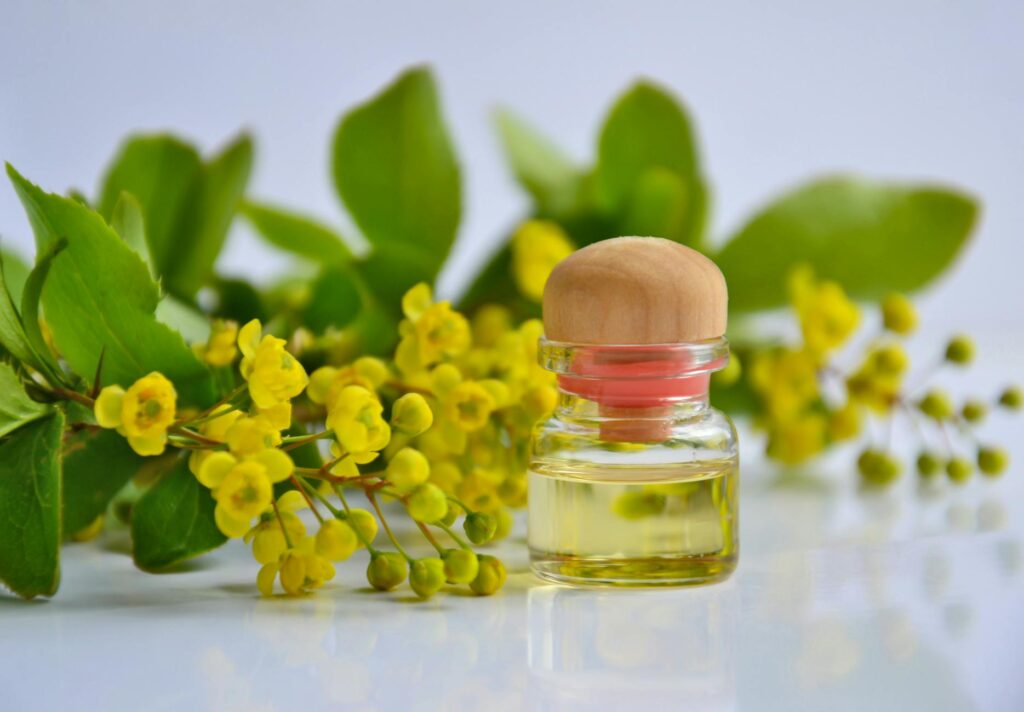
Health Benefits of Clary Sage Oil Safety
Introduction
Clary sage oil, derived from the flowering tops and leaves of the Salvia sclarea plant, has been treasured for centuries due to its aromatic properties and potential health benefits. While it is widely recognized in the realms of aromatherapy and natural wellness, understanding the safety of its use is paramount. This article delves into the safety aspects of clary sage oil, exploring its benefits, applications, and essential precautions to ensure safe usage.
What Is Clary Sage Oil Safety?
Clary sage oil is extracted through steam distillation from the flowering tops and leaves of the Salvia sclarea plant, which is native to the Mediterranean region. The oil possesses a warm, herbaceous aroma with sweet and slightly nutty undertones. Its unique composition includes linalool, linalyl acetate, and other terpenes, contributing to its therapeutic properties and fragrance.
Understanding safety entails recognizing both the benefits and potential risks associated with clary sage oil. It is essential to approach its use with informed caution, especially given that essential oils are highly concentrated substances that may cause adverse reactions in some individuals.
Key Benefits and Properties
Clary sage oil is celebrated for its diverse range of properties. Some of its key benefits include:
1. Mood Enhancement: The oil is known for its calming effects, often used to alleviate stress and promote relaxation. Its gentle yet uplifting aroma can serve to enhance emotional well-being.
2. Hormonal Balance: Clary sage oil is traditionally associated with women’s health, often used to support menstrual health and ease discomfort related to hormonal fluctuations.
3. Antimicrobial Properties: Preliminary studies suggest that clary sage oil has antimicrobial effects, which may help inhibit the growth of certain bacteria and fungi.
4. Anti-inflammatory Effects: The oil may also possess anti-inflammatory properties, making it a candidate for soothing skin irritations when used topically with proper dilution.
5. Digestive Support: Some anecdotal evidence suggests that clary sage oil may aid in digestion, providing relief from digestive discomfort when used appropriately.
While these benefits are promising, further scientific research is necessary to validate and fully understand the extent of these properties.
Common Uses
Clary sage oil has a variety of applications, which can be categorized as follows:
- Aromatherapy: Used in diffusers or inhaled directly to promote relaxation and alleviate stress.
- Topical Applications: Often blended with carrier oils for massage or applied to the skin to address specific concerns, such as menstrual discomfort.
- Hair Care: Incorporated into shampoos or conditioners to promote healthy hair and scalp.
- Bath Products: Added to bath oils or salts for a relaxing bathing experience.
- Storage: Keep the oil in a dark glass bottle, away from direct sunlight and heat sources. A cool, dry place is ideal for preserving its potency.
- Shelf Life: Clary sage oil has a shelf life of approximately 2-3 years when stored correctly. Always check for changes in aroma, consistency, or appearance before use, as these may indicate degradation.
It is important to note that clary sage oil should not be ingested unless under the guidance of a qualified professional.
Aromatherapy Applications
In aromatherapy, clary sage oil is valued for its calming and balancing properties. It is often used in the following ways:
1. Diffusion: Adding a few drops of clary sage oil to a diffuser can create a soothing atmosphere, making it ideal for relaxation or meditation spaces.
2. Inhalation: Inhaling the aroma directly from the bottle or a cotton ball can provide quick relief during stressful moments.
3. Blending: Clary sage oil blends well with other essential oils, such as lavender, bergamot, and frankincense, enhancing its therapeutic effects.
4. Massage: When diluted with a carrier oil, clary sage oil can be used in massage to help alleviate tension and discomfort.
Safety Considerations
While clary sage oil has many potential benefits, it is essential to consider safety precautions:
1. Dilution: Essential oils should always be diluted in a carrier oil before topical application. A general guideline is to use a 1-2% dilution (1-2 drops of essential oil per teaspoon of carrier oil).
2. Allergic Reactions: Conduct a patch test before using clary sage oil on the skin. Apply a diluted drop to a small area and observe for any adverse reactions over 24 hours.
3. Pregnancy and Lactation: Clary sage oil may stimulate uterine contractions and is generally advised against during pregnancy. Consult a healthcare professional for guidance on use during lactation.
4. Medical Conditions: Individuals with hormone-sensitive conditions (e.g., endometriosis, uterine fibroids) should exercise caution, as clary sage may influence hormonal balance.
5. Interaction with Medications: Clary sage oil may interact with certain medications, particularly those that affect hormone levels. It is advisable to consult with a healthcare provider if you are taking medications or have underlying health conditions.
6. Children and Pets: Keep clary sage oil out of reach of children and pets. Consult a veterinarian before using essential oils around animals, as some oils can be toxic to pets.
Storage and Shelf Life
To maintain the quality and efficacy of clary sage oil, proper storage is essential:
Frequently Asked Questions
1. Can I use clary sage oil for cooking?
Clary sage oil is not intended for culinary use, as essential oils are highly concentrated and may not be safe for ingestion. Always consult a qualified professional before considering the internal use of any essential oil.
2. Is clary sage oil safe for children?
While clary sage oil can be used in certain diluted applications, it is advisable to consult a healthcare professional before using it with children, as their skin may be more sensitive.
3. How can I incorporate clary sage oil into my daily routine?
Clary sage oil can be incorporated into your routine through aromatherapy practices, such as diffusion or topical application in massage blends. Always ensure proper dilution and perform a patch test before widespread use.
4. Are there any contraindications for using clary sage oil?
Individuals with hormone-sensitive conditions, pregnant or nursing women, and those taking certain medications should consult with a healthcare professional before using clary sage oil.
5. Does clary sage oil have any side effects?
While generally regarded as safe when used appropriately, clary sage oil may cause skin irritation or allergic reactions in some individuals. Conducting a patch test and using proper dilution can help mitigate risks.
Conclusion
Clary sage oil is a versatile and aromatic essential oil with a rich history of use in wellness practices. While it offers numerous benefits, safety considerations must be taken into account to ensure its responsible use. Understanding the appropriate applications, potential risks, and storage requirements can help individuals safely enjoy the myriad advantages that clary sage oil has to offer. Always prioritize informed decision-making and consult with professionals when necessary to enhance your experience with this remarkable oil.