
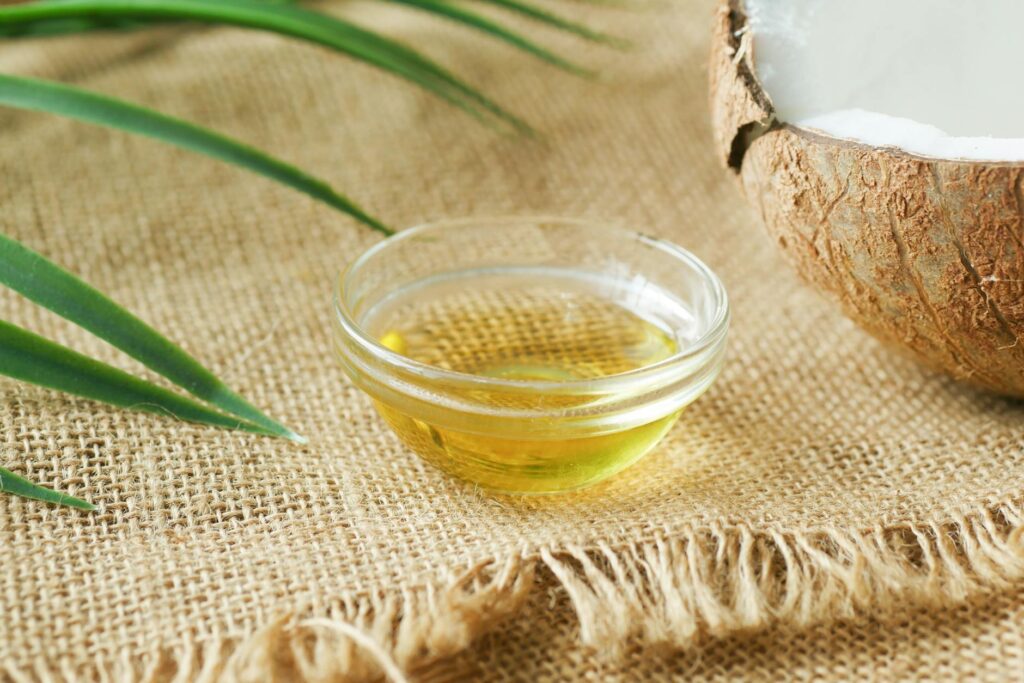
Health Benefits of Coconut Oil Blend with Essential Oils for Massage
Introduction
Coconut oil has long been celebrated for its versatility, ranging from culinary uses to skin care applications. In recent years, the fusion of coconut oil with essential oils for massage has gained popularity, particularly in the realm of holistic wellness. This article explores the health benefits, common uses, and safety considerations of coconut oil blends with essential oils for massage, providing a comprehensive understanding for those interested in this therapeutic practice.
What Is Coconut Oil Blend with Essential Oils for Massage?
Coconut oil is a natural oil extracted from the flesh of mature coconuts. It is rich in saturated fats, particularly medium-chain triglycerides (MCTs), which contribute to its health and skin-benefiting properties. When blended with essential oils—highly concentrated plant extracts known for their aromatic and therapeutic qualities—coconut oil creates a nourishing base for massage.
The combination not only enhances the glide and texture of the massage but also incorporates the unique benefits of the chosen essential oils. Common essential oils used in these blends include lavender, eucalyptus, peppermint, and tea tree, each bringing its own set of characteristics to the massage experience.
Key Benefits and Properties
Moisturizing and Nourishing
Coconut oil is renowned for its moisturizing properties, making it an ideal base for massage. It penetrates the skin effectively, providing hydration and promoting a smooth texture. Essential oils can enhance these properties, offering additional nourishment and improving skin elasticity.
Antimicrobial and Antifungal Properties
Coconut oil possesses natural antimicrobial and antifungal properties, which can help protect the skin from infections. When blended with essential oils like tea tree or lavender, the combination can further enhance these protective qualities, making it beneficial for individuals with sensitive or irritated skin.
Relaxation and Stress Relief
The soothing aroma of essential oils contributes significantly to relaxation. Oils such as lavender and chamomile are known for their calming effects, promoting mental well-being during a massage. The sensory experience of aromatherapy can help reduce stress and anxiety, creating a more peaceful atmosphere.
Improved Circulation
Massage itself is known to improve blood circulation. When combined with the nourishing qualities of coconut oil and the stimulating effects of essential oils like peppermint or rosemary, the blend can enhance circulation during the massage, promoting overall vitality and energy.
Pain Relief and Muscle Relaxation
Certain essential oils, such as eucalyptus and ginger, are known for their analgesic properties. When used in conjunction with coconut oil, these oils can help alleviate muscle tension and discomfort, making them particularly beneficial for athletes or those with chronic pain.
Common Uses
Therapeutic Massages
One of the primary uses of coconut oil blends is for therapeutic massages. The smooth texture of coconut oil allows for easy application, while the added essential oils can be tailored to meet individual needs, whether for relaxation, pain relief, or skin nourishment.
Aromatherapy Treatments
Coconut oil blends can also be used in aromatherapy treatments. When applied during practices like reflexology or acupressure, the aromatic properties of essential oils can enhance the overall experience, promoting relaxation and stress relief.
Skin and Hair Care
Beyond massage, coconut oil blends can be utilized in skin and hair care routines. The moisturizing effects can be beneficial for dry skin, while certain essential oils can contribute to hair health, making it a versatile addition to beauty regimens.
Aromatherapy Applications
Blending Techniques
When creating a coconut oil blend for massage, it is essential to understand the correct blending ratios. A general guideline is to use 1-3% essential oils in the blend. For every 1 ounce (30 mL) of coconut oil, this translates to approximately 6-18 drops of essential oil, depending on individual sensitivity and preference.
Popular Essential Oil Combinations
- Lavender and Peppermint: This combination offers a calming yet uplifting experience, ideal for reducing stress and tension.
- Eucalyptus and Rosemary: Known for their invigorating properties, this blend can help clear the mind and enhance focus.
- Tea Tree and Frankincense: This combination provides skin benefits while promoting relaxation, making it suitable for therapeutic applications.
Diffusion and Inhalation
In addition to topical application, coconut oil blends can be used in diffusers or inhaled directly for aromatherapy benefits. This method enhances the overall experience, allowing the therapeutic properties of essential oils to permeate the environment.
Safety Considerations
While coconut oil and essential oils are generally safe for topical application, it is essential to consider certain precautions:
Skin Sensitivity
Before using a new essential oil, perform a patch test to check for any allergic reactions. Apply a small amount of the blend to a discreet area of skin and wait for 24 hours. Discontinue use if irritation occurs.
Dilution Guidelines
Always dilute essential oils properly before applying them to the skin. Undiluted essential oils can cause skin irritation or sensitization.
Pregnancy and Health Conditions
Individuals who are pregnant, nursing, or have specific health conditions should consult a healthcare professional before using essential oils or coconut oil blends.
Storage and Shelf Life
To maintain the quality of coconut oil and essential oil blends, proper storage is crucial. Here are some guidelines:
Container
Use dark glass containers to protect the blend from light exposure, which can degrade the oils. Ensure that the container is airtight to prevent oxidation.
Temperature
Store the blend in a cool, dry place away from direct sunlight. High temperatures can alter the properties of both coconut oil and essential oils.
Shelf Life
Coconut oil typically has a shelf life of 1-2 years when stored properly. Essential oils vary in shelf life, but many can last several years if kept in ideal conditions. It is advisable to check for any changes in scent or appearance before use.
Frequently Asked Questions
Can I use any essential oil with coconut oil?
While many essential oils can be blended with coconut oil, it is essential to consider individual preferences and any potential sensitivities. Certain oils may interact negatively with specific skin types or conditions.
Is coconut oil safe for all skin types?
Coconut oil is generally considered safe for most skin types. However, individuals with oily or acne-prone skin may find that it clogs pores. It is advisable to conduct a patch test to confirm compatibility.
How often can I use coconut oil blends for massage?
The frequency of use can vary depending on individual needs and preferences. Many people find that regular massage with coconut oil blends can enhance relaxation and well-being.
Can I use coconut oil blends for children?
Coconut oil is generally safe for children when diluted appropriately. However, it is crucial to use child-friendly essential oils and consult a healthcare provider for guidance.
Conclusion
Coconut oil blended with essential oils for massage offers a wealth of benefits, from nourishing the skin to enhancing relaxation and promoting overall well-being. Understanding the properties, uses, and safety considerations of these blends can empower individuals to incorporate them into their wellness routines effectively. With proper knowledge and care, this natural combination can become a valuable tool in the pursuit of holistic health.