
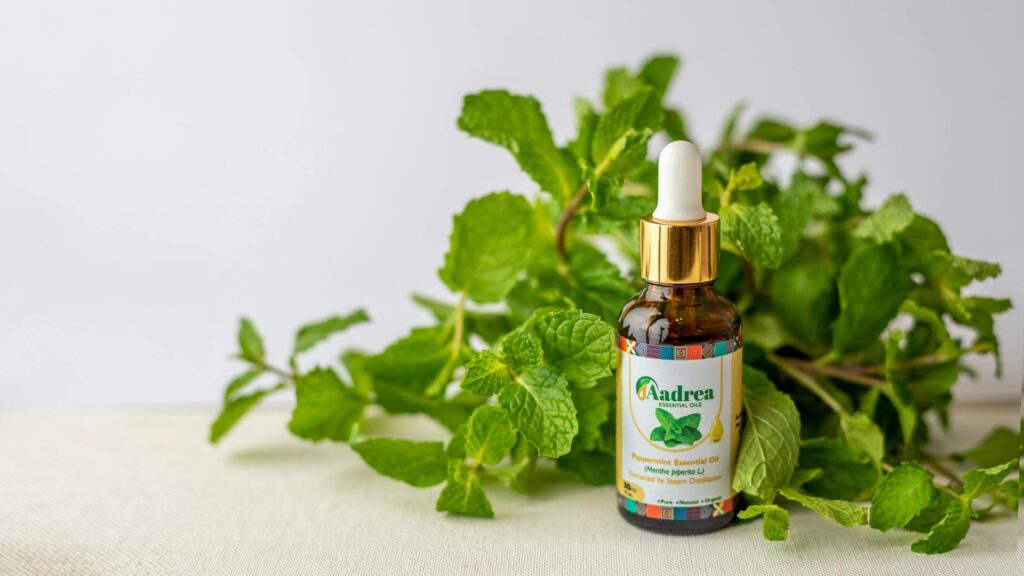
Health Benefits of Cold Infused Oils
Introduction
In recent years, the use of natural products for health and wellness has gained immense popularity. Among these, cold infused oils stand out as a versatile option, combining the benefits of carrier oils with the therapeutic properties of various herbs, flowers, and spices. This article delves into the intricacies of cold infused oils, exploring their benefits, common uses, and applications in aromatherapy.
What Is Cold Infused Oils?
Cold infused oils are made by steeping plant materials—such as herbs, flowers, or spices—in a carrier oil without the use of heat. This gentle infusion process helps to extract the essential compounds from the plant material while preserving their natural properties. Common carrier oils used in this process include olive oil, jojoba oil, and almond oil.
The infusion process typically takes several weeks, allowing the oil to gradually absorb the flavors, colors, and aromatic qualities of the botanicals. The end product is a fragrant oil rich in the beneficial properties of the infused plants, suitable for various applications.
Key Benefits and Properties
Cold infused oils are celebrated for their multitude of benefits. Some of the key properties include:
1. Nutrient-Rich
Cold infused oils capture the vitamins, antioxidants, and essential fatty acids present in the plant materials. For instance, infusing olive oil with garlic can enhance its antioxidant properties, while infusing it with rosemary can yield an oil rich in antimicrobial compounds.
2. Enhanced Aroma and Flavor
The infusion process enriches the carrier oil with the distinct scents and flavors of the herbs or flowers used. This makes cold infused oils an excellent choice for culinary uses and aromatherapy.
3. Versatile Applications
Cold infused oils can be utilized in a variety of contexts, from cooking and skincare to massage and aromatherapy. Their versatility makes them a valuable addition to any natural wellness toolkit.
4. Skin Benefits
Many infused oils possess soothing and nourishing properties for the skin. For example, lavender-infused oil is known for its calming effects, while calendula-infused oil is often used for its anti-inflammatory properties.
Common Uses
Cold infused oils have a wide range of applications that cater to different needs. Some of the most common uses include:
1. Culinary Applications
These oils can elevate culinary dishes by imparting unique flavors. Garlic-infused olive oil, for example, can enhance pasta, marinades, and dressings. Similarly, chili-infused oil can add a spicy kick to various dishes.
2. Skincare
Infused oils are popular in skincare routines. They can be used as a moisturizer, a massage oil, or a base for homemade beauty products. Oils infused with herbs like chamomile or calendula can promote skin healing and provide hydration.
3. Hair Care
Cold infused oils can nourish and strengthen hair. A rosemary-infused oil, for instance, may help stimulate hair growth and improve scalp health when massaged into the scalp.
4. Aromatherapy
The aromatic properties of cold infused oils make them suitable for use in diffusers or as massage oils. Oils infused with calming herbs like lavender or chamomile can enhance relaxation and promote emotional well-being.
Aromatherapy Applications
Aromatherapy utilizes the power of scent to influence emotional and physical well-being. Cold infused oils can be an integral part of this practice.
1. Emotional Balance
Oils infused with calming herbs like lavender or bergamot can help reduce anxiety and promote relaxation when used in diffusers or during massages. Their soothing properties can create a serene atmosphere conducive to stress relief.
2. Physical Well-being
Certain infused oils may provide relief from physical discomfort. For instance, peppermint-infused oil may be used for muscle tension, while ginger-infused oil can aid in digestion. However, it is essential to note that the efficacy of these oils can vary by individual.
3. Custom Blends
Cold infused oils can be combined with essential oils to create personalized blends for specific needs. This allows for a tailored approach to aromatherapy, enhancing the overall therapeutic experience.
Safety Considerations
While cold infused oils are generally safe for use, there are several important safety considerations to keep in mind:
1. Allergies
Individuals should be aware of potential allergies to specific herbs or plants. It is advisable to conduct a patch test on a small area of skin prior to widespread use.
2. Dilution
When using infused oils for topical applications, it is crucial to dilute them appropriately, especially for sensitive skin. A general guideline is to mix infused oils with a carrier oil in a 1:1 ratio.
3. Sensitivity to Sunlight
Some infused oils, particularly those made with citrus peels, can cause photosensitivity. It is advisable to avoid sun exposure on areas where these oils have been applied.
4. Quality of Ingredients
Using high-quality, organic ingredients is essential to ensure the safety and efficacy of the final product. Poor-quality oils can lead to skin irritation or allergic reactions.
Storage and Shelf Life
Proper storage is vital for maintaining the quality of cold infused oils. Here are some tips to ensure longevity:
1. Dark Glass Containers
Store infused oils in dark glass containers to protect them from light, which can degrade their quality. Amber or cobalt blue bottles are ideal for this purpose.
2. Cool, Dark Place
Keep the oils in a cool, dark place away from heat sources. This helps to prevent rancidity and extend shelf life.
3. Shelf Life
Generally, cold infused oils can last from 6 months to 1 year, depending on the type of carrier oil used and the storage conditions. Regularly check for any off smells or changes in appearance, which may indicate spoilage.
Frequently Asked Questions
1. Can I make my own cold infused oils at home?
Yes, making your own cold infused oils at home is a straightforward process. Select high-quality carrier oils and dried herbs or flowers, and follow a simple infusion method to create your custom blends.
2. What herbs are best for infusing oils?
The best herbs for infusing oils depend on your intended use. Common choices include lavender, rosemary, chamomile, and garlic. Each herb offers unique properties, so choose based on your needs.
3. How long does it take to infuse oils?
The infusion process typically takes 2 to 6 weeks, depending on the herbs used and the desired strength of the infusion. Be sure to shake the container every few days to encourage the infusion process.
4. Are cold infused oils safe for children?
While many infused oils are safe for children, it is essential to consult with a qualified professional and conduct patch tests before use. Some oils may not be suitable for young skin.
5. Can I use cold infused oils for cooking?
Yes, cold infused oils can be used for cooking, but it’s important to consider the flavor profile of the infused oil and how it complements your dishes.
Conclusion
Cold infused oils offer a delightful and beneficial addition to both culinary and wellness practices. With their rich flavors, aromatic qualities, and versatile applications, they provide a natural way to enhance everyday life. By understanding their properties, uses, and safety considerations, individuals can harness the power of cold infused oils to enrich their well-being and culinary experiences.