
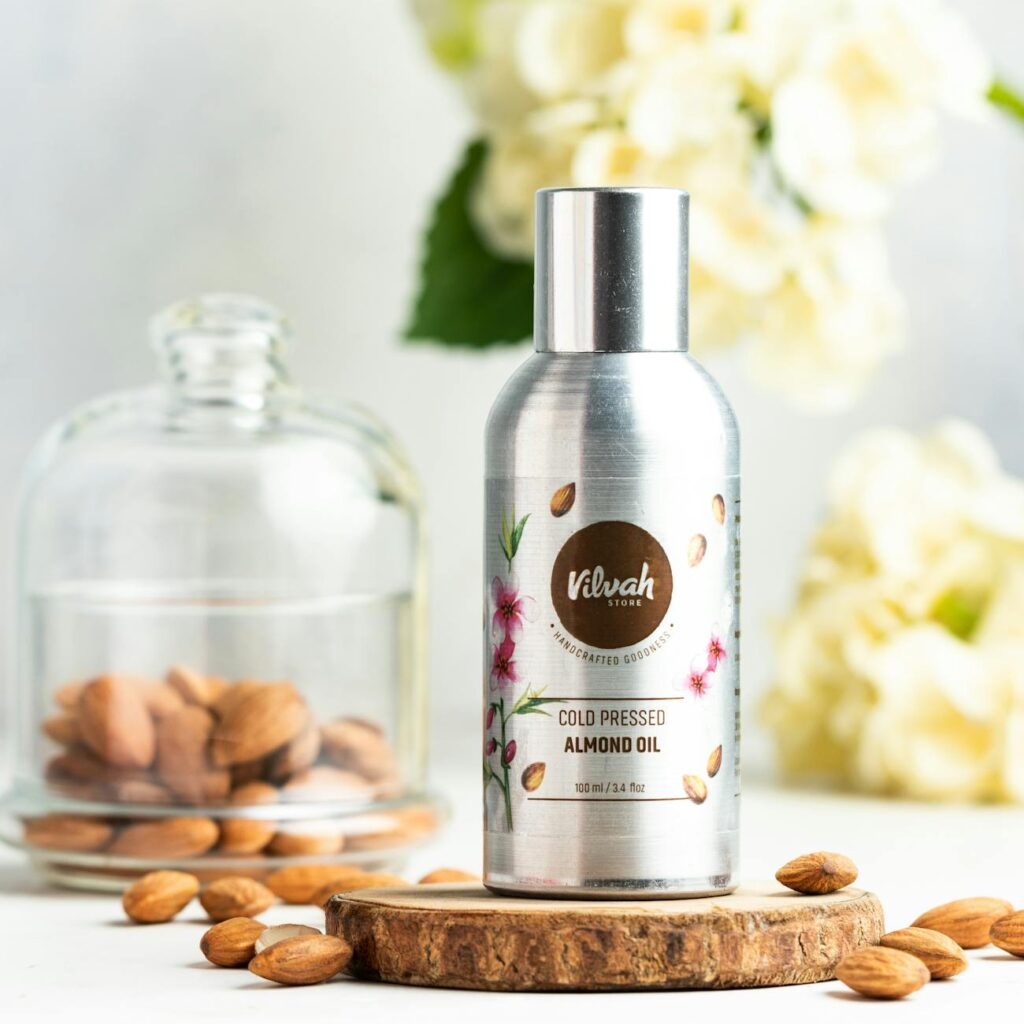
Health Benefits of Cold-Pressed Almond Oil
Introduction
Cold-pressed almond oil has gained recognition in recent years for its myriad health benefits and versatile applications. Extracted from the seeds of the Prunus dulcis tree, commonly known as the almond tree, this oil is not only a staple in culinary practices but is also highly regarded in the fields of skincare and aromatherapy. This article explores the characteristics, benefits, and applications of cold-pressed almond oil, providing a comprehensive overview for those interested in incorporating this natural oil into their lifestyle.
What Is Cold-Pressed Almond Oil?
Cold-pressed almond oil is derived from raw almonds through a mechanical extraction process that does not involve heat. This method helps retain the oil’s natural properties, flavor, and nutritional value. The almonds are first ground into a paste, and then the oil is extracted under controlled temperatures. This contrasts with refined almond oil, which may undergo heat treatment and chemical processes, leading to a loss of beneficial compounds.
The two primary types of almonds used for oil extraction are sweet almonds (Prunus dulcis var. dulcis) and bitter almonds (Prunus dulcis var. amara). Sweet almond oil is the most commonly used variety due to its pleasant flavor and numerous health benefits.
Key Benefits and Properties
Nutritional Composition
Cold-pressed almond oil is rich in various nutrients, including:
- Fatty Acids: Primarily monounsaturated fatty acids, such as oleic acid, which promote heart health.
- Vitamins: Particularly vitamin E, a powerful antioxidant that helps protect cells from oxidative stress.
- Minerals: Contains magnesium, calcium, and potassium, contributing to overall health.
- Phytosterols: Plant compounds that may help lower cholesterol levels and support heart health.
- Nut Allergies: Individuals with nut allergies should avoid almond oil, as it may trigger allergic reactions.
- Patch Test: It is advisable to conduct a patch test before using almond oil on the skin to check for potential sensitivities.
- Storage: Proper storage is essential to maintain the oil’s quality.
Skin Health
One of the most celebrated benefits of cold-pressed almond oil is its ability to nourish and hydrate the skin. Its emollient properties make it ideal for treating dry or irritated skin. The oil is easily absorbed and can enhance skin elasticity, making it a popular ingredient in moisturizers and lotions.
Hair Care
Cold-pressed almond oil can also promote healthy hair. It is known for its ability to nourish the scalp, reduce dandruff, and add shine to hair. The oil’s lightweight consistency allows it to penetrate hair strands, providing moisture without weighing the hair down.
Anti-Inflammatory Properties
Studies suggest that cold-pressed almond oil may possess anti-inflammatory properties, making it beneficial for conditions like eczema or psoriasis. The oil’s fatty acid profile can help soothe irritated skin and reduce redness.
Heart Health
Incorporating cold-pressed almond oil into a balanced diet may support cardiovascular health. The oil’s high levels of monounsaturated fats, along with its antioxidant content, may help lower bad cholesterol levels, thus reducing the risk of heart disease.
Common Uses
Culinary Applications
Cold-pressed almond oil is prized in culinary circles for its rich flavor and nutritional benefits. It can be used in salad dressings, marinades, or as a finishing oil drizzled over cooked dishes. Its high smoke point makes it suitable for light sautéing and baking, although it is best used unheated to preserve its flavor and nutrients.
Skin and Hair Care
In addition to culinary uses, cold-pressed almond oil is a popular base ingredient in skincare and hair care products. It can be applied directly to the skin to moisturize and soothe or used as a carrier oil for essential oils in massage. For hair, it can be used as a conditioner or applied to the scalp to promote health and shine.
Massage Oil
Due to its smooth texture and nourishing properties, cold-pressed almond oil is often used as a massage oil. Its ability to glide easily over the skin makes it an excellent choice for relaxation and therapeutic massage.
Aromatherapy Applications
While cold-pressed almond oil itself is not an essential oil, it serves as an effective carrier oil for essential oils in aromatherapy. Its mild scent and skin-friendly properties make it an ideal medium for diluting essential oils, allowing for safe topical application. Common essential oils that blend well with almond oil include lavender, tea tree, and eucalyptus.
Blending with Essential Oils
To create a soothing blend, combine a few drops of your chosen essential oil with cold-pressed almond oil. This mixture can be used for various purposes, including massage, skincare, or as a soothing aromatic experience when applied to pulse points.
Safety Considerations
Cold-pressed almond oil is generally safe for most individuals; however, there are some considerations to keep in mind:
Storage and Shelf Life
To maximize the shelf life of cold-pressed almond oil, store it in a cool, dark place away from direct sunlight and heat sources. Ideally, keep the oil in a glass container with a tight-fitting lid to minimize exposure to air. When stored correctly, cold-pressed almond oil can last for about 12 months.
Frequently Asked Questions
1. Is cold-pressed almond oil edible?
Yes, cold-pressed almond oil is safe for culinary use and can enhance the flavor and nutritional profile of various dishes.
2. Can I use cold-pressed almond oil on my face?
Absolutely. Cold-pressed almond oil can be applied topically to the face to moisturize and soothe dry skin. Always perform a patch test first.
3. How do I incorporate almond oil into my hair care routine?
You can apply almond oil directly to your scalp and hair, leaving it on for 30 minutes to an hour before washing it out with shampoo. This can help improve hair texture and manageability.
4. Can cold-pressed almond oil be used for massage?
Yes, cold-pressed almond oil is an excellent choice for massage due to its smooth texture and nourishing properties.
5. How can I tell if my almond oil has gone bad?
Signs that almond oil has gone rancid include an off or stale smell, a change in color, or a thicker consistency. If you notice any of these changes, it is best to discard the oil.
Conclusion
Cold-pressed almond oil is a versatile and beneficial oil that can enhance both culinary experiences and personal care routines. Its rich nutritional profile, combined with its skin-nourishing and hair-care properties, makes it a valuable addition to any natural health regimen. By understanding the benefits, uses, and safety considerations, individuals can make informed choices about incorporating cold-pressed almond oil into their daily lives. Whether used in the kitchen, as part of a skincare routine, or in aromatherapy, this oil offers a wealth of advantages that contribute to overall well-being.