
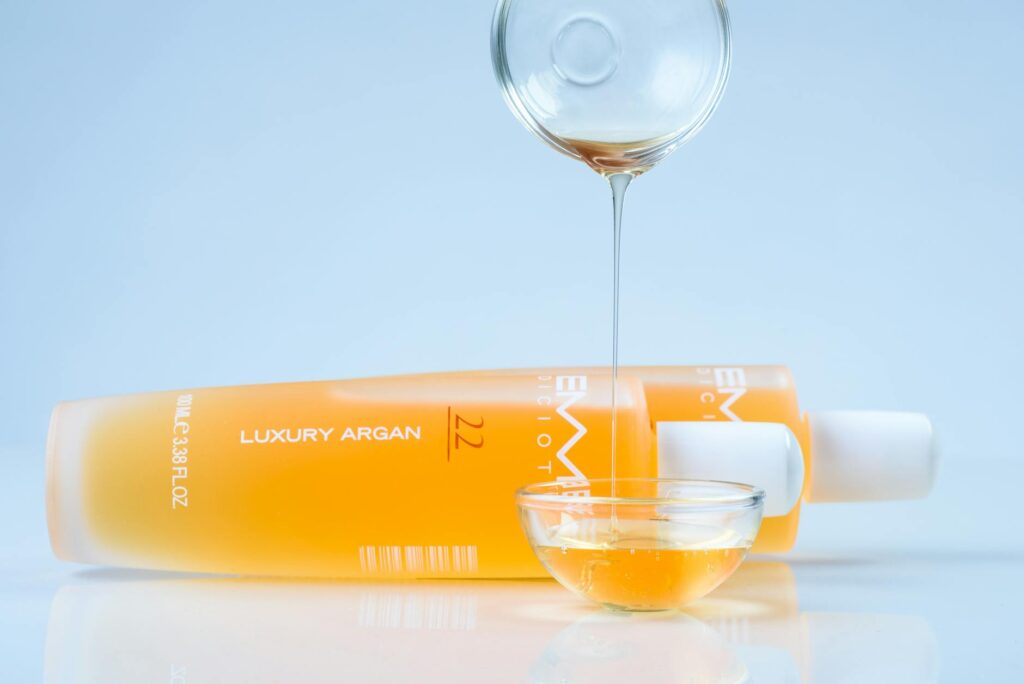
Health Benefits of Cold-Pressed Argan Oil
Introduction
Cold-pressed argan oil, derived from the nuts of the argan tree (Argania spinosa), has garnered significant attention in recent years for its numerous health and beauty benefits. This versatile oil, native to Morocco, is rich in essential fatty acids, antioxidants, and vitamins, making it a staple in both culinary and cosmetic applications. The traditional methods of extraction preserve its nutrient profile, allowing users to experience its full range of benefits. This article explores the various properties, uses, and safety considerations associated with cold-pressed argan oil.
What Is Cold-Pressed Argan Oil?
Cold-pressed argan oil is produced through a meticulous extraction process that involves mechanically crushing the argan nuts without the application of heat. This method helps retain the oil’s natural nutrients, flavors, and aroma. The argan tree is a drought-resistant species that thrives in arid regions, primarily in Morocco, where it has been cultivated for centuries. The oil can be classified into two main types: culinary argan oil, which has a nutty flavor and is used in food, and cosmetic argan oil, which is used for skin and hair care.
Extraction Process
The extraction of cold-pressed argan oil is labor-intensive. Initially, the nuts are harvested from the tree and then cracked open to remove the kernels. These kernels are then ground into a paste, which is pressed to extract the oil. The cold-pressing technique ensures that the oil retains its nutritional value and beneficial properties, unlike oils extracted through heat or chemical processes.
Key Benefits and Properties
Cold-pressed argan oil is celebrated for its rich composition, which includes:
Nutritional Profile
- Fatty Acids: Argan oil is high in oleic acid (omega-9) and linoleic acid (omega-6), which are known for their moisturizing and nourishing properties.
- Vitamins: Particularly rich in vitamin E, a potent antioxidant that helps protect the skin from oxidative stress and supports skin health.
- Phenolic Compounds: These compounds have antioxidant properties that may help reduce inflammation and promote overall health.
- Facial Moisturizer: Often used as a daily moisturizer, suitable for all skin types.
- Body Lotion: Can be applied to the whole body to combat dryness.
- Lip Care: Used in lip balms for hydration and protection.
- Hair Oil: Applied to damp or dry hair to improve texture and shine.
- Scalp Treatment: Massaged into the scalp to promote health and growth.
- Salad Dressing: Used as a flavorful base for dressings.
- Dipping Oil: Served with bread for a nutritious snack.
- Lavender: Known for its calming properties, lavender oil blends well with argan oil for a soothing massage oil.
- Tea Tree: When mixed with argan oil, tea tree oil can be used for its antibacterial properties, benefiting acne-prone skin.
- Rosemary: Often used for hair health, rosemary essential oil combined with argan oil can promote scalp circulation and hair growth.
- Keep in a dark glass bottle: Light can degrade the oil more quickly.
- Avoid heat and moisture: Store in a cool, dry location away from direct sunlight.
Skin Benefits
1. Moisturization: Argan oil is an excellent emollient, making it effective for hydrating and softening the skin.
2. Anti-Aging: The antioxidants in argan oil may help reduce the appearance of fine lines and wrinkles, promoting a youthful complexion.
3. Healing Properties: It can aid in the healing of minor skin irritations and conditions due to its anti-inflammatory properties.
Hair Benefits
1. Conditioning: Argan oil can help to condition and soften hair, making it easier to manage.
2. Frizz Control: Its moisturizing properties help tame frizz and add shine to dull hair.
3. Scalp Health: It can also nourish the scalp, promoting healthy hair growth.
Culinary Benefits
Culinary argan oil offers a unique flavor profile and is often used in traditional Moroccan dishes. It can be drizzled over salads, used in marinades, or added to dips and sauces, providing both taste and nutritional benefits.
Common Uses
The versatility of cold-pressed argan oil allows it to be used in various applications, including:
Skincare
Haircare
Cooking
Aromatherapy Applications
While argan oil is not typically used for its aromatic properties, it can serve as a carrier oil in aromatherapy. Its ability to blend well with essential oils makes it an excellent choice for diluting concentrated oils before application.
Blending with Essential Oils
When combined with essential oils, cold-pressed argan oil can enhance the benefits of the oils while providing a moisturizing base. Popular essential oils to blend with argan oil include:
Safety Considerations
Cold-pressed argan oil is generally considered safe for topical use and culinary applications. However, some individuals may be allergic to nuts, which could extend to argan oil. It is advisable to conduct a patch test before using the oil on larger skin areas to check for any adverse reactions, especially for individuals with sensitive skin.
Allergies
Individuals with known nut allergies should consult a healthcare professional before using argan oil.
Storage
For optimal use, cold-pressed argan oil should be stored in a cool, dark place to prevent oxidation and maintain its quality.
Storage and Shelf Life
Cold-pressed argan oil has a shelf life of approximately 12 to 24 months when stored properly. To extend its longevity:
Frequently Asked Questions
1. Can cold-pressed argan oil be used for cooking?
Yes, culinary argan oil can be used for cooking, particularly in salad dressings and drizzled over dishes. However, it is not recommended for high-heat cooking methods, as this can degrade its nutritional properties.
2. Is cold-pressed argan oil suitable for all skin types?
Cold-pressed argan oil is generally suitable for all skin types, including sensitive skin. It is non-comedogenic, meaning it is unlikely to clog pores.
3. How can I incorporate argan oil into my skincare routine?
Argan oil can be used as a moisturizer, added to your regular creams, or used as a facial oil. It can also be blended with other essential oils for added benefits.
4. Can I use argan oil on my hair daily?
Yes, argan oil can be used daily on hair, either as a leave-in conditioner or a styling aid. Just a few drops can help manage frizz and add shine.
5. How do I know if I have a sensitivity to argan oil?
If you have never used argan oil before, perform a patch test by applying a small amount to a discreet area of skin. Wait 24 hours to observe any reactions, such as redness or irritation.
Conclusion
Cold-pressed argan oil is a remarkable natural oil with a wide range of health benefits and applications. From skincare and haircare to culinary delights, its rich composition makes it a valuable addition to any wellness routine. By understanding its properties, uses, and safety considerations, individuals can make informed choices about incorporating this versatile oil into their daily lives. Whether you’re looking to nourish your skin, enhance your hair’s luster, or add a unique flavor to your meals, cold-pressed argan oil is a worthy consideration.