
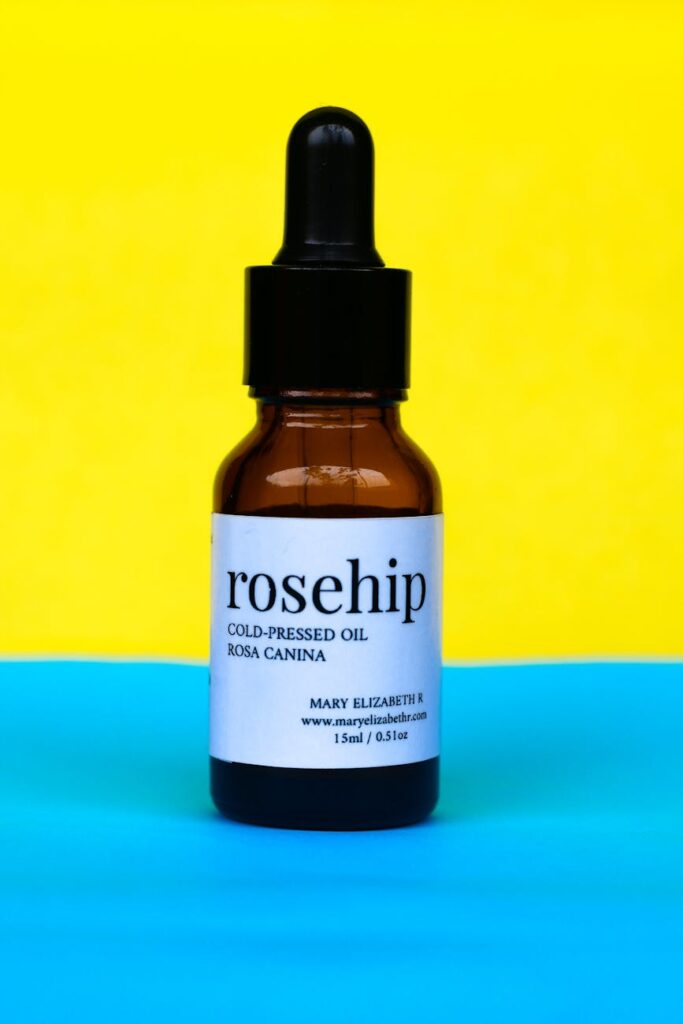
Health Benefits of Cold-Pressed Rosehip Oil
Introduction
Cold-pressed rosehip oil has gained recognition in the realm of natural skincare and aromatherapy for its rich nutrient profile and versatile applications. Derived from the seeds and fruit of the wild rose plant, particularly Rosa canina, this oil is celebrated for its ability to enhance skin health and provide various wellness benefits. This article explores the characteristics, benefits, applications, and safety considerations of cold-pressed rosehip oil, offering a comprehensive overview for those interested in its use.
What Is Cold-Pressed Rosehip Oil?
Cold-pressed rosehip oil is extracted from the seeds and the fleshy part of the rosehip fruit through a mechanical process that avoids the use of heat. This method preserves the oil’s delicate compounds, ensuring that the essential fatty acids, vitamins, and antioxidants remain intact. The oil is typically a vibrant orange or yellow hue, reflecting its rich content of carotenoids and other bioactive constituents.
Rosehip oil has been used for centuries, primarily in traditional medicine and skincare practices. Its popularity has surged in recent years as consumers increasingly seek natural alternatives to synthetic products.
Key Benefits and Properties
1. Rich in Essential Fatty Acids
Cold-pressed rosehip oil is particularly high in essential fatty acids, including omega-3 and omega-6. These fatty acids are crucial for maintaining skin integrity and elasticity, promoting hydration, and supporting overall skin health.
2. Abundant in Vitamins
This oil is a source of several vitamins, most notably vitamin C, which is known for its antioxidant properties. Vitamin A and vitamin E are also present, contributing to skin repair and rejuvenation. These vitamins help combat oxidative stress and may protect the skin from environmental damage.
3. Antioxidant Properties
Rosehip oil is rich in antioxidants, which play a vital role in neutralizing free radicals that can cause premature aging. The presence of carotenoids and polyphenols helps to strengthen the skin’s barrier, promoting a more youthful appearance.
4. Anti-inflammatory Effects
The oil’s anti-inflammatory properties make it beneficial for soothing irritated skin. It can help alleviate redness and discomfort associated with conditions such as eczema and psoriasis, promoting a more balanced complexion.
5. Skin Regeneration
Studies suggest that cold-pressed rosehip oil may support skin regeneration. It is often used to improve the appearance of scars, stretch marks, and fine lines, contributing to a smoother and more even skin texture.
Common Uses
1. Skincare
Cold-pressed rosehip oil is widely used in skincare products, often as a stand-alone oil or as an ingredient in serums, creams, and lotions. Its lightweight texture allows for easy absorption, making it suitable for various skin types, including sensitive and oily skin.
2. Hair Care
In addition to skincare, rosehip oil is also utilized in hair care formulations. It can be applied to the scalp to nourish hair follicles and improve hair texture. Its moisturizing properties help combat dryness and frizz, promoting shine and manageability.
3. Massage Oil
Due to its smooth consistency and skin-nourishing qualities, cold-pressed rosehip oil is a popular choice for massage therapy. It can be blended with essential oils to create a soothing massage medium that hydrates the skin while providing aromatherapeutic benefits.
4. Carrier Oil for Essential Oils
As a carrier oil, rosehip oil effectively dilutes essential oils for topical application. Its beneficial properties complement the therapeutic effects of essential oils, making it a preferred base for various aromatherapy blends.
Aromatherapy Applications
In aromatherapy, cold-pressed rosehip oil can play a supportive role in enhancing emotional well-being. While it may not possess strong aromatic qualities, its use as a carrier oil allows for the safe application of essential oils with potent scents.
1. Blending with Essential Oils
Rosehip oil can be blended with essential oils such as lavender, chamomile, or frankincense, which are known for their calming and restorative properties. This combination can be used in massage, skincare, or diffused in the air to create a serene environment.
2. Skin Healing Blends
For individuals seeking to address skin concerns, blending rosehip oil with essential oils like tea tree or geranium can create a synergistic effect. This combination may help to balance oily skin, promote healing, and reduce the appearance of blemishes.
Safety Considerations
While cold-pressed rosehip oil is generally considered safe for topical use, it is essential to take certain precautions:
1. Patch Test
Before applying rosehip oil to larger areas of the skin, it is advisable to perform a patch test. Apply a small amount of the oil to a discreet area and wait 24 hours to check for any adverse reactions.
2. Avoiding Ingestion
Cold-pressed rosehip oil is intended for external use and should not be ingested. Always keep it out of reach of children and consult a healthcare professional if you have specific concerns or conditions.
3. Consult a Professional
Individuals with known allergies or skin sensitivities should consult a dermatologist or healthcare provider before incorporating rosehip oil into their regimen.
Storage and Shelf Life
To maintain the quality of cold-pressed rosehip oil, proper storage is crucial:
1. Keep in a Cool, Dark Place
Store the oil in a cool, dark location away from direct sunlight and heat sources. This helps to prevent oxidation and prolongs the oil’s shelf life.
2. Use Airtight Containers
Opt for dark glass bottles with airtight seals to minimize exposure to air and light. This packaging can help preserve the oil’s beneficial properties over time.
3. Shelf Life
Cold-pressed rosehip oil typically has a shelf life of 6 to 12 months when stored properly. Always check for changes in color, odor, or consistency before use, as these may indicate spoilage.
Frequently Asked Questions
1. Can cold-pressed rosehip oil be used on all skin types?
Yes, cold-pressed rosehip oil is suitable for various skin types, including dry, oily, and sensitive skin. Its lightweight texture allows it to absorb easily without clogging pores.
2. How often should I use rosehip oil?
For optimal results, rosehip oil can be used daily or as needed. It can be applied in the morning and evening as part of your skincare routine.
3. Is rosehip oil safe during pregnancy?
While rosehip oil is generally considered safe for topical use, pregnant individuals should consult a healthcare provider before using any new products.
4. Can I mix rosehip oil with other carrier oils?
Yes, rosehip oil can be blended with other carrier oils such as jojoba, sweet almond, or coconut oil. This can enhance its benefits and create a customized skincare blend.
5. Does rosehip oil help with acne scars?
Cold-pressed rosehip oil is often used to improve the appearance of scars, including those caused by acne. Its regenerative properties may support skin healing and promote a more even skin tone.
Conclusion
Cold-pressed rosehip oil is a versatile and beneficial oil with a rich history of use in skincare and wellness. Its potent combination of essential fatty acids, vitamins, and antioxidants makes it a valuable addition to various applications, from skincare to aromatherapy. While it is essential to practice caution and consult professionals when needed, incorporating cold-pressed rosehip oil into your routine can enhance your overall skin health and contribute to a balanced approach to self-care.