
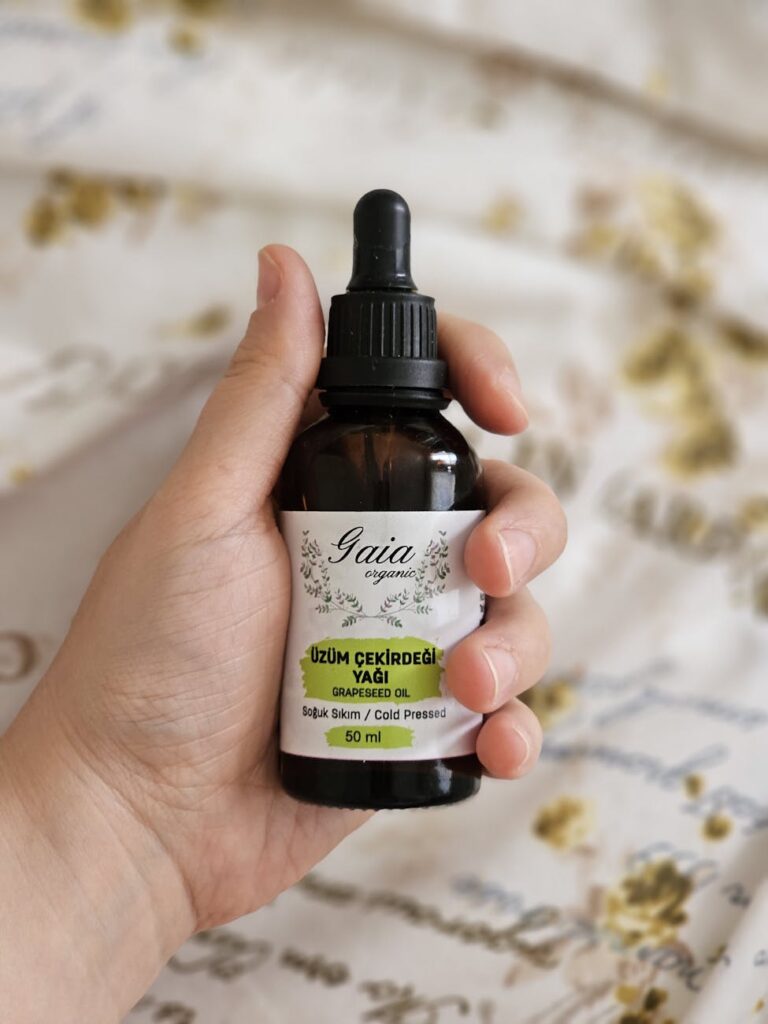
Health Benefits of Cold-Pressed Safflower Oil
Introduction
Safflower oil, derived from the seeds of the safflower plant (Carthamus tinctorius), has been utilized for centuries in culinary practices and traditional medicine. With the advent of modern extraction methods, cold-pressed safflower oil has gained popularity due to its rich nutrient profile and numerous potential health benefits. This article delves into the characteristics, benefits, common uses, and safety considerations associated with cold-pressed safflower oil.
What Is Cold-Pressed Safflower Oil?
Cold-pressed safflower oil is extracted from the seeds of the safflower plant without the application of heat. This method preserves the oil’s natural properties, flavors, and nutrients, offering a higher quality product compared to oils extracted using heat or chemical solvents. Cold pressing involves mechanically pressing the seeds to release their oil, ensuring that the beneficial compounds remain intact.
Safflower oil is primarily composed of unsaturated fatty acids, making it a heart-healthy option. It is particularly high in linoleic acid (an omega-6 fatty acid), which contributes to its potential health benefits.
Key Benefits and Properties
Rich in Unsaturated Fatty Acids
Cold-pressed safflower oil is predominantly composed of polyunsaturated fatty acids (PUFAs), specifically linoleic acid. These fatty acids are essential for maintaining overall health, as they play a crucial role in cellular function and inflammation regulation.
Heart Health
The presence of linoleic acid in safflower oil is linked to cardiovascular benefits. Research suggests that unsaturated fats can help lower bad cholesterol (LDL) levels while potentially raising good cholesterol (HDL) levels. This balance may contribute to a reduced risk of heart disease.
Anti-Inflammatory Properties
Safflower oil contains antioxidants and anti-inflammatory compounds that may help mitigate inflammation in the body. Chronic inflammation is associated with numerous health conditions, including arthritis, heart disease, and certain cancers. By incorporating safflower oil into a balanced diet, individuals may support their body’s natural inflammation response.
Skin Health
The oil’s emollient properties make it a popular choice in skincare. Cold-pressed safflower oil is easily absorbed into the skin, providing moisture and potentially aiding conditions such as dryness and eczema. Its high linoleic acid content may also help maintain the skin’s barrier function, promoting overall skin health.
Nutrient Absorption
The healthy fats in safflower oil can enhance the absorption of fat-soluble vitamins such as A, D, E, and K. Including safflower oil in meals may assist in maximizing the nutritional benefits of various foods, particularly those rich in these vitamins.
Weight Management
Some studies suggest that incorporating healthy fats, like those found in safflower oil, into the diet may support weight management. The oil may help enhance satiety and reduce cravings, contributing to a balanced approach to eating.
Common Uses
Culinary Uses
Cold-pressed safflower oil is a versatile oil suitable for various cooking methods, including sautéing, roasting, and salad dressings. Its mild flavor does not overpower dishes, making it an excellent choice for culinary applications.
Skincare Products
Due to its moisturizing properties, safflower oil is commonly found in skincare products. It is often used in lotions, creams, and serums aimed at hydrating and soothing the skin.
Hair Care
The oil is also utilized in hair care products, as it can help nourish the hair and scalp. Its ability to penetrate the hair shaft may promote shine and reduce frizz.
Aromatherapy Applications
While safflower oil is not typically classified as an essential oil, it can serve as a carrier oil in aromatherapy. Carrier oils help dilute essential oils, allowing for safe topical application. Cold-pressed safflower oil’s light texture makes it an excellent choice for blending with essential oils for massages or skin treatments.
When used in aromatherapy, safflower oil may help enhance the absorption of the essential oils it is paired with, making it a valuable addition to holistic practices. Its moisturizing properties further support skin health during aromatherapy sessions.
Safety Considerations
While cold-pressed safflower oil is generally regarded as safe for culinary and topical use, individuals should consider the following safety measures:
1. Allergic Reactions: Although rare, some people may be allergic to safflower oil. It is advisable to perform a patch test on a small area of skin before widespread use.
2. Dietary Restrictions: Individuals with specific dietary restrictions, such as those on a low-fat diet, should consult a nutritionist or healthcare professional before incorporating safflower oil into their diet.
3. Pregnancy and Breastfeeding: While safflower oil is generally considered safe, pregnant and breastfeeding individuals should consult their healthcare provider for personalized advice.
4. Interactions with Medications: Safflower oil may interact with certain medications, particularly blood thinners. It is essential to consult a healthcare professional if you are taking medications that might interact with safflower oil.
Storage and Shelf Life
Cold-pressed safflower oil should be stored in a cool, dark place to preserve its quality. Exposure to light, heat, and air can lead to rancidity. Ideally, it should be kept in a sealed glass or dark plastic container to minimize oxidation.
The shelf life of cold-pressed safflower oil varies, but it generally lasts for about 6 to 12 months if stored correctly. Regularly check for any off odors or changes in color, as these may indicate that the oil has gone rancid.
Frequently Asked Questions
1. Is cold-pressed safflower oil suitable for cooking?
Yes, cold-pressed safflower oil is suitable for various cooking methods, including sautéing, roasting, and salad dressings, due to its high smoke point and mild flavor.
2. Can safflower oil be used on sensitive skin?
Yes, safflower oil is often recommended for sensitive skin due to its moisturizing and soothing properties. However, it is advisable to conduct a patch test first.
3. What is the difference between cold-pressed and refined safflower oil?
Cold-pressed safflower oil is extracted without heat or chemicals, preserving its nutrients and flavor. Refined safflower oil undergoes additional processing, which may strip some beneficial compounds and alter its flavor.
4. Can safflower oil be used in aromatherapy?
While safflower oil is not an essential oil, it can be used as a carrier oil to dilute essential oils for topical application in aromatherapy.
5. How can I tell if safflower oil has gone bad?
Signs of rancidity include an off smell, changes in color, or a strange taste. If you notice any of these signs, it is best to discard the oil.
Conclusion
Cold-pressed safflower oil is a versatile and nutrient-rich oil that offers numerous health benefits. From culinary applications to skincare and aromatherapy, its properties make it a valuable addition to a balanced lifestyle. As with any oil, it is essential to use safflower oil mindfully and consider individual health needs and preferences. By understanding its benefits and uses, individuals can make informed choices about incorporating cold-pressed safflower oil into their daily routines.