
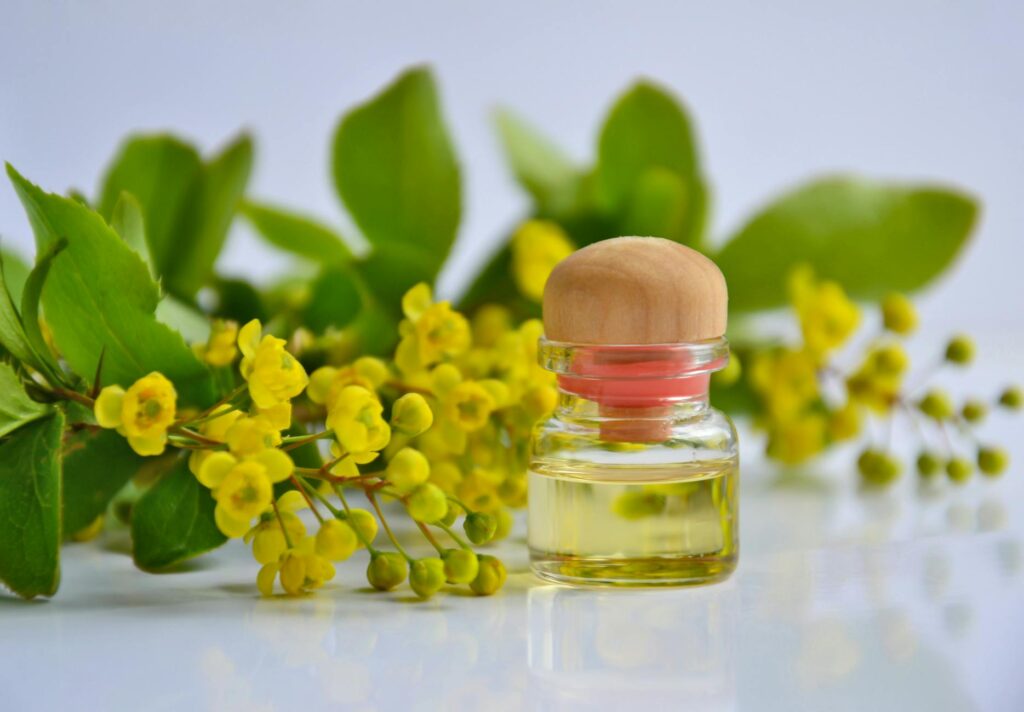
Health Benefits of Copaiba Oil
Introduction
Copaiba oil, derived from the resin of the Copaifera tree, has gained significant attention in recent years due to its potential health benefits and versatile applications in aromatherapy. This oil is not only celebrated for its unique aromatic profile but also for its rich history in traditional medicine among indigenous cultures. This article explores the origins of copaiba oil, its key benefits and properties, common uses, and considerations for safe application.
What Is Copaiba Oil?
Copaiba oil is extracted from the resin of several species of the Copaifera tree, which is native to the Amazon rainforest and other tropical regions. The essential oil is typically obtained through a process of steam distillation or solvent extraction, resulting in a thick, golden liquid with a warm, woody scent. Copaiba oil is known for its high concentration of beta-caryophyllene, a compound that contributes to many of its therapeutic properties.
The Copaifera trees are often referred to as “copaiba” or “copaiba balsam,” and their resin has been used for centuries by indigenous peoples for various medicinal purposes. In recent years, copaiba oil has emerged as a popular choice in the wellness community, particularly in the realms of aromatherapy and holistic health.
Key Benefits and Properties
Copaiba oil is celebrated for several key benefits and properties:
1. Anti-inflammatory Properties
Copaiba oil contains compounds that may help reduce inflammation. This property makes it appealing for those seeking natural alternatives to manage discomfort associated with inflammatory conditions.
2. Antimicrobial Effects
Preliminary studies suggest that copaiba oil may exhibit antimicrobial properties, potentially aiding in the fight against certain bacteria and fungi. This aspect makes it a candidate for inclusion in natural remedies for skin issues.
3. Anxiolytic Effects
Some users report that copaiba oil helps promote relaxation and reduces feelings of anxiety. This calming effect can be beneficial in aromatherapy practices aimed at stress relief.
4. Pain Relief
Due to its potential analgesic properties, copaiba oil is often explored as a natural remedy for various types of pain, including headaches, muscle strains, and joint discomfort.
5. Skin Health
Copaiba oil is often incorporated into skincare products for its soothing properties. Its ability to hydrate and nourish the skin can make it a valuable addition to natural beauty regimens.
Common Uses
Copaiba oil has a variety of applications, both in traditional contexts and modern wellness practices:
1. Topical Application
Copaiba oil can be diluted with a carrier oil and applied directly to the skin. This method is commonly used for localized pain relief or skin conditions.
2. Aromatherapy
The warm, earthy scent of copaiba oil makes it a popular choice in diffusers and aromatherapy blends. Its calming properties may enhance meditation and relaxation practices.
3. Massage Therapy
Incorporating copaiba oil into massage oil formulations can enhance the therapeutic effects of massage, particularly for clients seeking relief from tension and stress.
4. Natural Cleaning Products
Due to its antimicrobial properties, copaiba oil can be included in homemade cleaning products to enhance their effectiveness and impart a pleasant scent.
5. Personal Care Products
Copaiba oil is often found in lotions, creams, and shampoos, where it can contribute to skin hydration and overall health.
Aromatherapy Applications
In aromatherapy, copaiba oil is valued for its grounding and calming effects. It is often blended with other essential oils to create synergy in therapeutic applications. Some common blends include:
1. Relaxation Blend
Combining copaiba oil with lavender and chamomile can create a soothing atmosphere, ideal for unwinding after a long day or for use during meditation.
2. Pain Relief Blend
A blend of copaiba oil with peppermint and eucalyptus may provide a refreshing and invigorating experience while potentially aiding in pain relief.
3. Uplifting Blend
Mixing copaiba oil with citrus oils such as orange or bergamot can promote a sense of positivity and uplift the mood.
To utilize copaiba oil in aromatherapy, a few drops can be added to a diffuser, inhaled directly from the bottle, or incorporated into massage oils. It is essential to choose high-quality, pure copaiba oil to ensure the best results.
Safety Considerations
While copaiba oil is generally regarded as safe for topical use and aromatherapy, certain precautions should be observed:
1. Dilution: Always dilute copaiba oil with a carrier oil before applying it to the skin to prevent irritation. A common dilution ratio is 2-3 drops of essential oil per teaspoon of carrier oil.
2. Patch Test: Conduct a patch test on a small area of skin to check for allergic reactions or sensitivities before widespread application.
3. Consultation: If you are pregnant, nursing, or have existing health conditions, consult a healthcare professional before using copaiba oil.
4. Avoid Ingestion: Copaiba oil is not intended for internal use unless under the guidance of a qualified practitioner.
5. Children and Pets: Exercise caution when using copaiba oil around children and pets, as their sensitivities may differ from adults.
Storage and Shelf Life
Proper storage of copaiba oil is essential to maintain its quality and efficacy. Here are some guidelines:
- Container: Store copaiba oil in a dark glass bottle to protect it from light and oxidation.
- Environment: Keep the oil in a cool, dry place, away from direct sunlight and heat sources.
- Shelf Life: When stored correctly, copaiba oil can last up to 3-5 years. However, it is advisable to check for any changes in color, smell, or consistency before use.
Frequently Asked Questions
1. What does copaiba oil smell like?
Copaiba oil has a warm, woody, and slightly sweet aroma, often described as earthy and rich.
2. Can copaiba oil be used for skin conditions?
Yes, copaiba oil is commonly used in skincare products for its soothing properties. However, it should always be diluted before topical application.
3. Is copaiba oil safe for children?
While copaiba oil can be used around children, it is essential to dilute it properly and consult a healthcare professional if you have concerns.
4. How can I use copaiba oil in a diffuser?
Add a few drops of copaiba oil to your diffuser along with other complementary essential oils to create a calming atmosphere.
5. Where can I purchase high-quality copaiba oil?
Look for reputable essential oil suppliers who provide detailed information about the sourcing and quality of their oils. Always opt for oils labeled as 100% pure and therapeutic grade.
Conclusion
Copaiba oil is a versatile and valuable essential oil with a rich history of use in traditional medicine. Its potential health benefits, combined with its pleasant aroma, make it a popular choice in aromatherapy and natural wellness practices. As with any essential oil, it is crucial to use copaiba oil responsibly and with an understanding of its properties. By incorporating this unique oil into your wellness routine, you may discover new avenues for relaxation, pain relief, and overall well-being.