
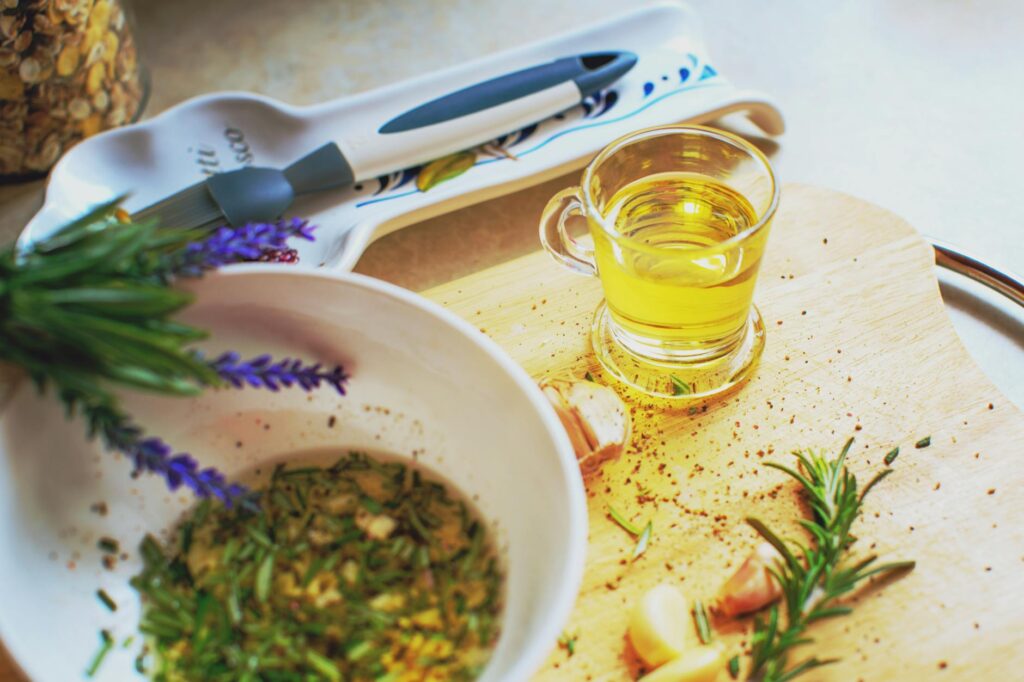
Health Benefits of Culinary Herbs
Introduction
Culinary herbs have played a vital role in human culture for centuries, not only enhancing flavors in food but also providing numerous health benefits. From the Mediterranean basil to the aromatic rosemary, these herbs are versatile in their use and rich in essential nutrients, antioxidants, and therapeutic properties. This article explores the various culinary herbs, their benefits, common uses, applications in aromatherapy, safety considerations, and storage tips.
What Are Culinary Herbs?
Culinary herbs are plants valued for their flavor, aroma, and health benefits. They are typically harvested for their leaves, flowers, or stems, distinguishing them from spices, which usually come from seeds, roots, or bark. While culinary herbs can be used fresh or dried, their potency and flavor can vary significantly based on their form and how they are processed. Some common examples of culinary herbs include:
- Basil: Often used in Italian cuisine, basil is fragrant and slightly sweet.
- Thyme: A versatile herb with a warm, earthy flavor, thyme complements a variety of dishes.
- Parsley: Known for its bright green leaves, parsley is often used as a garnish but also adds flavor.
- Cilantro: With its distinctive flavor, cilantro is commonly used in Latin American and Asian cuisines.
- Oregano: A staple in Mediterranean cooking, oregano has a robust flavor profile.
- Flavoring: Herbs are commonly used to enhance the flavor of dishes, from salads to stews. Fresh herbs can provide a vibrant taste, while dried herbs offer concentrated flavors.
- Garnishing: Fresh herbs are often used as a garnish, adding visual appeal and a burst of flavor to finished dishes.
- Infusions: Culinary herbs can be infused into oils, vinegars, or broths to create flavorful bases for dressings and marinades.
- Refrigeration: Store fresh herbs in the refrigerator. Placing them in a glass of water, similar to flowers, can help keep them fresh longer.
- Freezing: For long-term storage, fresh herbs can be frozen in ice cube trays with water or oil, preserving their flavor for later use.
- Cool, Dark Place: Store dried herbs in a cool, dark place in airtight containers. Exposure to light, heat, and moisture can degrade their quality.
- Shelf Life: Dried herbs typically last about 1 to 3 years, depending on the type. While they may still be safe to use after this period, their flavor and potency may diminish.
Key Benefits and Properties
Culinary herbs are not just for flavor enhancement; they offer a range of health benefits due to their bioactive compounds, vitamins, and minerals. Here are some key benefits:
Antioxidant Properties
Many culinary herbs, such as oregano and rosemary, are rich in antioxidants. These compounds help combat oxidative stress in the body, which can lead to chronic diseases and aging.
Anti-Inflammatory Effects
Certain herbs, like turmeric and ginger (often categorized as spices but used similarly), possess anti-inflammatory properties. These can help reduce inflammation in the body, potentially alleviating symptoms of various conditions.
Digestive Health
Herbs like peppermint and fennel are known for their ability to aid digestion. They can help soothe gastrointestinal discomfort and promote healthy digestion.
Nutrient Density
Culinary herbs are packed with vitamins and minerals, including vitamin K, vitamin C, and iron. For example, parsley is an excellent source of vitamin K, essential for maintaining bone health.
Antimicrobial Properties
Some herbs, such as thyme and sage, have natural antimicrobial properties. These can help inhibit the growth of harmful bacteria and fungi, supporting overall health.
Common Uses
Culinary herbs are used in a variety of ways, both in cooking and for their health benefits. Here are some common applications:
Cooking
Herbal Teas
Many culinary herbs can be brewed into teas. For instance, chamomile and peppermint are popular choices for their soothing properties.
Essential Oils
Some culinary herbs, like basil and thyme, can be distilled into essential oils used in aromatherapy and topical applications. These oils carry the aromatic and therapeutic properties of the herbs.
Aromatherapy Applications
Aromatherapy utilizes the scents of essential oils derived from culinary herbs to promote emotional and physical well-being. While culinary herbs might not be as commonly associated with aromatherapy as other plants, they still offer valuable benefits:
Stress Relief
Herbs like lavender and rosemary can be used in diffusers or inhalers to promote relaxation and relieve stress. Their calming scents may help ease anxiety and improve mood.
Respiratory Health
Eucalyptus and mint, though often used as essential oils, can be derived from culinary herbs. Their invigorating scents can help open airways, making them useful in soothing respiratory issues.
Enhanced Focus
The aroma of herbs like rosemary is believed to enhance mental clarity and focus, making them beneficial during study sessions or work tasks.
Safety Considerations
While culinary herbs are generally safe for consumption, there are a few considerations to keep in mind:
Allergies
Some individuals may be allergic to specific herbs. It is essential to be aware of any allergies before trying new herbs.
Interactions with Medications
Certain herbs can interact with medications, particularly blood thinners and anticoagulants. Always consult a healthcare professional if you have concerns about potential interactions.
Pregnant or Nursing Women
Pregnant or nursing women should exercise caution with certain herbs, as some can affect hormonal balance or uterine contractions. Always seek advice from a qualified professional.
Storage and Shelf Life
Proper storage is crucial for maintaining the flavor and potency of culinary herbs. Here are some tips:
Fresh Herbs
Dried Herbs
Frequently Asked Questions
1. Can I use culinary herbs for medicinal purposes?
While culinary herbs have health benefits, they should not be used as a substitute for professional medical treatment. Always consult a healthcare professional for medical advice.
2. Are dried herbs as effective as fresh herbs?
Dried herbs can be more concentrated than fresh herbs, but they may lack some of the volatile oils that give fresh herbs their full flavor profile. Both forms have their unique benefits and can be used interchangeably in recipes, depending on personal preference.
3. How can I incorporate more culinary herbs into my diet?
Experimenting with different herbs in cooking is an excellent way to increase your intake. Adding fresh herbs to salads, soups, and pasta dishes can enhance flavor while providing health benefits.
4. Are there any culinary herbs that should be avoided?
Some herbs, like pennyroyal and certain varieties of sage, can be toxic in high doses or have adverse effects. It is essential to research any herb you are unfamiliar with before using it.
5. How can I grow my own culinary herbs?
Growing your own culinary herbs is relatively easy. They can be cultivated in pots on a windowsill or in a garden. Common herbs for home gardening include basil, mint, and chives. Ensure they receive adequate sunlight and water.
Conclusion
Culinary herbs offer a wealth of benefits that extend beyond their role as flavor enhancers. With their rich nutritional profiles, medicinal properties, and versatile applications, these herbs can play a significant role in a balanced diet and healthy lifestyle. By understanding their uses, benefits, and proper care, individuals can better appreciate these remarkable plants and incorporate them into their daily routines.