
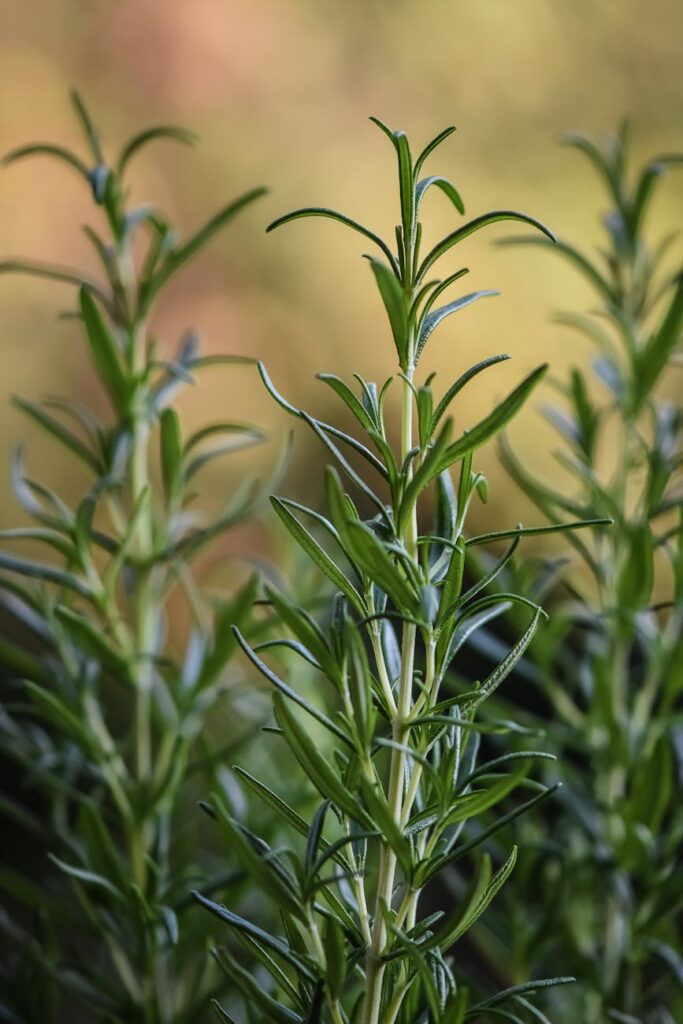
Health Benefits of Culinary Hydrosols
Introduction
Culinary hydrosols, often overlooked in the realm of natural wellness, are gaining recognition for their multifaceted benefits. These aromatic waters, produced during the steam distillation of plants, carry the essence of their botanical sources, offering a gentler alternative to essential oils. As the interest in holistic health and culinary innovation grows, understanding the properties and applications of culinary hydrosols can enhance both our cooking and wellness practices. This article explores the nature, benefits, and uses of culinary hydrosols, providing a comprehensive guide for enthusiasts and newcomers alike.
What Is Culinary Hydrosols?
Culinary hydrosols are the aqueous byproducts of the steam distillation process used to extract essential oils from various plants. During distillation, steam passes through plant materials, capturing volatile compounds. When the steam cools, it condenses back into liquid, yielding two products: essential oil and hydrosol. The hydrosol, which contains water-soluble components, retains many of the plant’s beneficial properties while being milder and safer for consumption compared to concentrated essential oils.
Common sources of culinary hydrosols include herbs, flowers, and spices. Popular examples are rose, lavender, mint, and rosemary hydrosols, each offering distinct flavors and aromas that can enhance culinary creations and wellness practices.
Key Benefits and Properties
Culinary hydrosols boast a variety of beneficial properties, making them valuable both in gastronomy and holistic wellness:
1. Flavor Enhancement
Culinary hydrosols can be used to infuse dishes with delicate flavors. They provide a subtle aromatic boost to soups, salads, dressings, and desserts without overwhelming the palate.
2. Digestive Support
Certain hydrosols, like peppermint and chamomile, are known for their digestive benefits. While not a substitute for medical treatment, they may contribute to overall digestive comfort when incorporated into meals or consumed as herbal teas.
3. Antioxidant Properties
Many culinary hydrosols contain antioxidants that can help combat oxidative stress in the body. These compounds play a role in neutralizing free radicals, potentially promoting overall health.
4. Mood Enhancement
The aromatic properties of hydrosols can influence mood and emotional well-being. Scents such as lavender and rose are often associated with relaxation, making them useful in culinary applications designed to create a calming atmosphere.
5. Hydration
Incorporating hydrosols into beverages can enhance hydration. They can be added to water or herbal teas, providing flavor without added sugars or artificial ingredients.
Common Uses
Culinary hydrosols can be utilized in a variety of ways across different culinary contexts:
1. Flavoring Foods
Hydrosols can be drizzled over salads, incorporated into marinades, or added to sauces for a unique flavor profile. For instance, orange blossom hydrosol can elevate desserts, while rosemary hydrosol can enhance savory dishes.
2. Beverage Infusion
Hydrosols can be used to flavor beverages. They can be added to cocktails, mocktails, or sparkling water, offering a refreshing twist. A few drops of mint hydrosol can transform a simple glass of water into a refreshing drink.
3. Baking
In baking, hydrosols can replace liquid ingredients in recipes, imparting a gentle flavor. For example, a cake made with lavender hydrosol can have a subtle floral note that elevates the overall experience.
4. Dressings and Marinades
Hydrosols can enhance vinaigrettes and marinades, providing a fragrant dimension. A lemon verbena hydrosol vinaigrette can brighten a summer salad with its refreshing citrus notes.
5. Culinary Garnish
Using hydrosols as a finishing touch can add visual appeal and aromatic depth to dishes. A light mist of rose hydrosol can be used to finish a dessert or a fruit platter, creating an inviting presentation.
Aromatherapy Applications
Beyond culinary uses, culinary hydrosols are valuable in aromatherapy. Their gentle nature makes them suitable for various applications:
1. Room Sprays
Hydrosols can be used as natural room sprays, providing a pleasant aroma without synthetic chemicals. Lavender and chamomile hydrosols are popular choices for creating a calming atmosphere.
2. Skin Care
Certain hydrosols, such as rose and witch hazel, can be beneficial for skin care. They can be used as facial mists, toners, or added to DIY skincare formulations. These hydrosols can soothe and hydrate the skin.
3. Bath Additives
Adding hydrosols to bathwater can enhance relaxation and provide a sensory experience. A few drops of ylang-ylang hydrosol can transform a bath into a fragrant retreat.
4. Inhalation
Inhaling the aroma of hydrosols can have a soothing effect on the mind and body. A gentle mist of eucalyptus hydrosol can be used to promote feelings of clarity and openness.
Safety Considerations
While culinary hydrosols are generally considered safe for consumption and topical use, there are some important safety considerations:
1. Quality and Purity: Always choose high-quality, food-grade hydrosols from reputable sources to ensure safety and efficacy.
2. Allergies: Individuals with allergies or sensitivities to certain plants should exercise caution and consult with a knowledgeable source before use.
3. Dilution: Although hydrosols are milder than essential oils, they should still be used judiciously. It’s advisable to start with small quantities in culinary applications.
4. Pregnancy and Nursing: Pregnant or nursing individuals should consult a healthcare provider before using any hydrosols, as reactions can vary.
Storage and Shelf Life
Culinary hydrosols have a relatively short shelf life compared to essential oils. Their longevity can be influenced by factors such as storage conditions and the presence of preservatives. Here are some guidelines for optimal storage:
1. Cool, Dark Environment: Store hydrosols in a cool, dark place to minimize exposure to light and heat, which can degrade their quality.
2. Refrigeration: For extended freshness, consider refrigerating hydrosols. This can help prolong their shelf life and preserve their aromatic qualities.
3. Sealed Containers: Keep hydrosols in tightly sealed glass containers to prevent contamination and evaporation.
4. Expiration Date: Always check for expiration dates and discard any hydrosols that show signs of spoilage, such as changes in color, odor, or clarity.
Frequently Asked Questions
1. Can I use culinary hydrosols in cooking?
Yes, culinary hydrosols are safe for cooking and can enhance the flavor of various dishes.
2. How do I choose the right hydrosol for my needs?
Consider the flavor profile and properties of the hydrosol. For flavor enhancement, choose hydrosols that complement the dish you are preparing.
3. Are culinary hydrosols safe for children?
In moderation, many culinary hydrosols can be safe for children. However, it is essential to consult with a knowledgeable source regarding appropriate usage.
4. How long do culinary hydrosols last?
Typically, culinary hydrosols have a shelf life of 6 months to 2 years, depending on storage conditions and the specific hydrosol.
5. Can I use hydrosols in beauty products?
Yes, culinary hydrosols can be incorporated into DIY beauty products, such as facial mists and toners.
Conclusion
Culinary hydrosols represent a delightful intersection of flavor and wellness, providing a range of benefits for both culinary enthusiasts and those seeking natural alternatives in their daily lives. Understanding their properties and applications can enhance not only our culinary experiences but also our overall well-being. As the interest in holistic and sustainable practices continues to grow, culinary hydrosols are poised to take a prominent place in kitchens and wellness routines worldwide.