
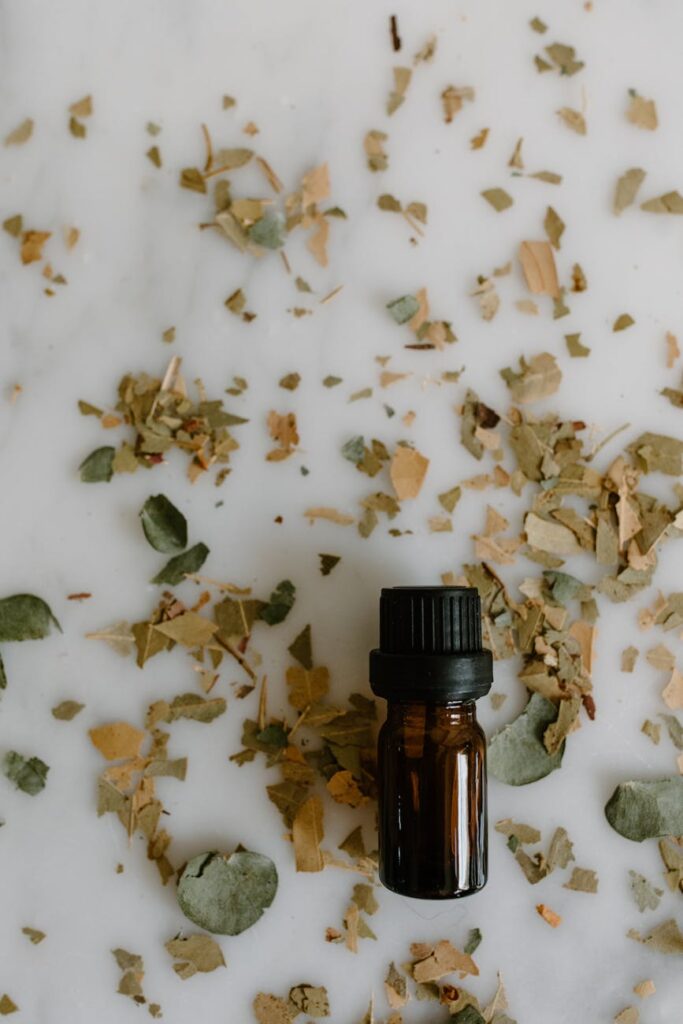
Health Benefits of DIY Aromatherapy Recipes for Balancing Hormones with Essential Oils
Introduction
Aromatherapy, the practice of using essential oils for therapeutic purposes, has gained significant popularity in recent years. Among its many applications, one of the most intriguing is the use of essential oils to help balance hormones. Hormonal imbalances can lead to a variety of health issues, including mood swings, fatigue, and disrupted menstrual cycles. Many individuals are turning to DIY aromatherapy recipes as a natural and holistic approach to support hormonal health. This article explores the fundamentals of DIY aromatherapy for balancing hormones, its benefits, common uses, and safety considerations.
What Is DIY Aromatherapy Recipes for Balancing Hormones with Essential Oils?
DIY aromatherapy recipes involve the use of essential oils, which are concentrated extracts derived from plants, to create blends that can aid in promoting emotional and physical well-being. When it comes to hormonal balance, certain essential oils are believed to possess properties that may help support the endocrine system, which regulates hormones in the body.
Commonly used essential oils for hormonal balance include:
- Clary Sage: Known for its potential to ease menstrual discomfort and balance estrogen levels.
- Lavender: Often recognized for its calming properties, which may help reduce stress-related hormonal imbalances.
- Geranium: Believed to support emotional stability and balance hormones associated with mood.
- Peppermint: Sometimes used to help alleviate fatigue and improve energy levels.
- Ylang Ylang: Often associated with promoting relaxation and reducing anxiety, which can affect hormonal balance.
- Diffusion: Adding essential oils to a diffuser can help disperse the aroma throughout a room, promoting a calming environment.
- Topical Application: Blending essential oils with a carrier oil, such as jojoba or coconut oil, allows for safe skin application. Target areas may include the wrists, neck, and abdomen.
- Bath Soaks: Adding essential oils to bathwater can create a soothing experience, promoting relaxation and stress relief.
- Inhalation: Inhaling essential oils directly from the bottle or through a tissue can provide immediate benefits, especially during moments of stress or anxiety.
- Ingredients:
- 5 drops of Lavender essential oil
- 5 drops of Geranium essential oil
- 2 tablespoons of carrier oil (e.g., jojoba oil)
- Instructions:
- Ingredients:
- 4 drops of Clary Sage essential oil
- 4 drops of Ylang Ylang essential oil
- 2 tablespoons of carrier oil
- Instructions:
- Ingredients:
- 3 drops of Peppermint essential oil
- 3 drops of Sweet Orange essential oil
- 2 tablespoons of carrier oil
- Instructions:
- Keep In Original Bottles: Essential oils should remain in their original amber or cobalt blue bottles to protect them from light.
- Seal Tightly: Ensure that the caps are tightly sealed to prevent evaporation and contamination.
- Avoid Heat: Store oils in a cool, dry place, away from heat sources like stoves or direct sunlight.
By blending these essential oils with carrier oils or other bases, individuals can create personalized recipes tailored to their specific needs.
Key Benefits and Properties
The potential benefits of using essential oils for hormonal balance are numerous:
1. Stress Reduction: Many essential oils, such as lavender and ylang ylang, are renowned for their calming effects. Reducing stress is vital for hormonal balance, as stress can lead to increased cortisol levels, which may disrupt other hormones.
2. Emotional Support: Essential oils like geranium can help stabilize mood, providing emotional support during times of hormonal change, such as premenstrual syndrome (PMS) or menopause.
3. Physical Comfort: Certain essential oils, such as clary sage, are traditionally used to alleviate menstrual discomfort and support reproductive health.
4. Energy Boost: Oils like peppermint may enhance energy and reduce fatigue, which can be beneficial during hormonal fluctuations.
5. Holistic Approach: DIY aromatherapy allows individuals to take a proactive role in their health, using natural ingredients without the side effects often associated with pharmaceuticals.
Common Uses
DIY aromatherapy recipes can be utilized in various ways to support hormonal balance:
Aromatherapy Applications
DIY Blends for Hormonal Balance
Here are some simple DIY recipes that individuals can create at home:
1. Relaxing Lavender and Geranium Blend
1. In a small glass bottle, combine the essential oils with the carrier oil.
2. Shake gently to mix.
3. Apply to pulse points or massage into the abdomen.
2. Uplifting Clary Sage and Ylang Ylang Blend
1. Blend the essential oils with the carrier oil in a small glass container.
2. Use in a diffuser or apply topically as needed.
3. Energizing Peppermint and Citrus Blend
1. Mix the essential oils with the carrier oil.
2. Inhale from the bottle for an energy boost, or apply to the wrists.
Safety Considerations
While essential oils are generally considered safe when used properly, it is essential to take certain precautions:
1. Dilution: Always dilute essential oils with a carrier oil before applying them to the skin to prevent irritation.
2. Patch Test: Conduct a patch test by applying a small amount of the diluted blend to a discreet area of skin to check for any adverse reactions.
3. Pregnancy and Nursing: Some essential oils may not be suitable during pregnancy or breastfeeding. Consult a healthcare professional for guidance.
4. Allergies and Sensitivities: Individuals with allergies or sensitivities may need to avoid certain oils. Always read labels and do research before use.
5. Storage: Store essential oils in a cool, dark place, away from direct sunlight, to maintain their potency.
Storage and Shelf Life
Proper storage is crucial for maintaining the quality of essential oils. Most essential oils have a shelf life of 1-3 years, depending on the type. To preserve their properties:
Frequently Asked Questions
1. Can I use essential oils for hormonal balance if I have a medical condition?
While many people find benefit in using essential oils, it is important to consult with a healthcare professional if you have existing medical conditions or are taking medications.
2. How often can I use DIY aromatherapy recipes?
The frequency of use can vary based on individual preferences and sensitivities. It’s generally safe to use these blends daily, but if you experience any irritation or discomfort, discontinue use.
3. Are there any essential oils I should avoid?
Certain essential oils, such as sage and rosemary, may not be suitable for everyone, especially pregnant individuals. It’s advisable to do thorough research or seek professional advice.
4. Can I combine different essential oils?
Yes, blending essential oils can enhance their properties and create unique blends tailored to your needs. Just be sure to research compatibility and dilution guidelines.
5. How can I enhance the effectiveness of my aromatherapy practices?
Incorporating other wellness practices, such as mindfulness, meditation, and regular exercise, can complement your aromatherapy efforts for a holistic approach to hormonal balance.
Conclusion
DIY aromatherapy recipes using essential oils can serve as a valuable tool for those seeking to support hormonal balance naturally. With a variety of essential oils available, individuals can customize their blends to address their specific needs. By understanding the benefits, applications, and safety considerations, you can embark on a fragrant journey towards better hormonal health. Remember, aromatherapy is a complementary practice that can enhance overall well-being, but it should be approached with care and knowledge.