
Health Benefits of DIY Aromatherapy Recipes for Balancing Mood with Patchouli Oil
Introduction
In recent years, the popularity of essential oils and aromatherapy has surged, with many individuals seeking natural alternatives to enhance their emotional well-being. Among the diverse range of essential oils, patchouli oil is particularly revered for its rich, earthy scent and its purported mood-balancing properties. This article delves into the health benefits of creating DIY aromatherapy recipes with patchouli oil, enabling individuals to harness its unique qualities for emotional balance and overall well-being.
What Is DIY Aromatherapy Recipes for Balancing Mood with Patchouli Oil?
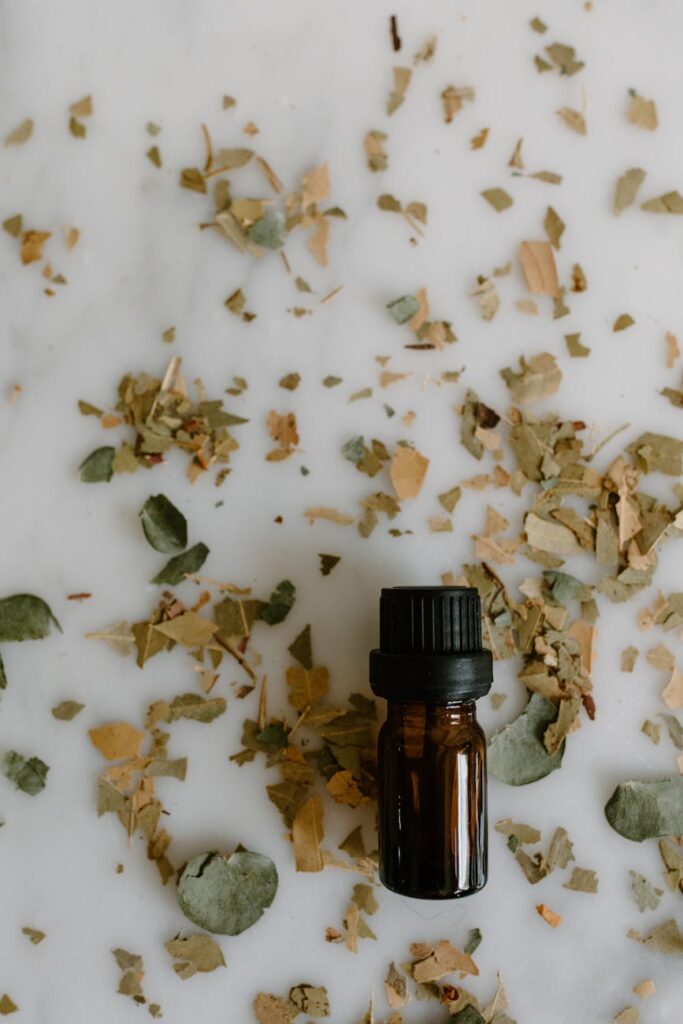
DIY (Do It Yourself) aromatherapy involves blending essential oils to create personalized formulations that cater to individual needs. Patchouli oil, derived from the leaves of the Pogostemon cablin plant, has been used for centuries in traditional medicine and perfumery. The oil is extracted through steam distillation, resulting in a thick, amber-hued liquid with a distinct, musky fragrance.
In the context of mood balancing, DIY aromatherapy recipes utilizing patchouli oil can be tailored to address various emotional states, such as stress, anxiety, and emotional fatigue. By integrating patchouli oil with other complementary essential oils, individuals can craft unique blends that resonate with their personal preferences and emotional requirements.
Key Benefits and Properties
Patchouli oil is renowned for its myriad of beneficial properties. Here are some of the key benefits associated with its use in aromatherapy:
1. Mood Enhancer
Patchouli oil is often considered an uplifting oil, capable of promoting feelings of tranquility and relaxation. Its rich scent can evoke a sense of grounding, helping to alleviate feelings of anxiety and stress.
2. Antidepressant Qualities
Some studies suggest that patchouli oil may possess antidepressant properties, which can aid in elevating mood and reducing feelings of sadness or hopelessness. Its complex aroma can stimulate the limbic system, the part of the brain involved in emotional regulation.
3. Stress Relief
The calming effects of patchouli oil may assist in reducing stress levels. Inhaling its aroma can create a serene environment, fostering a sense of peace and helping to alleviate the pressures of daily life.
4. Grounding Effects
Patchouli oil has grounding properties that can help individuals connect with their emotions and surroundings. This quality makes it particularly beneficial for those experiencing feelings of disconnection or overwhelm.
Common Uses
Patchouli oil can be employed in various ways to enhance mood and promote emotional well-being. Here are some common uses:
1. Diffusion
Using a diffuser, patchouli oil can be dispersed into the air, allowing its aroma to fill a room. This method is ideal for creating a calming atmosphere during meditation or relaxation sessions.
2. Inhalation
Inhaling patchouli oil directly from the bottle or applying a diluted version to the wrists can provide immediate mood-enhancing effects. This method allows for quick access to its grounding properties.
3. Bathing
Adding patchouli oil to bathwater can create a luxurious and soothing experience. The warm water helps to disperse the oil, allowing for a relaxing soak that can elevate mood and reduce stress.
4. Massage
Incorporating patchouli oil into massage oils can enhance the therapeutic benefits of touch. The oil’s calming scent combined with physical relaxation can create a holistic approach to emotional balance.
Aromatherapy Applications
Creating DIY aromatherapy recipes with patchouli oil can be rewarding and therapeutic. Here are several recipes that highlight its mood-balancing properties:
1. Calming Diffuser Blend
Ingredients:
- 5 drops of patchouli oil
- 3 drops of lavender oil
- 2 drops of bergamot oil
- 5 drops of patchouli oil
- 5 drops of sweet orange oil
- 1 cup of Epsom salt
- 2 tablespoons of carrier oil (such as sweet almond or jojoba oil)
- 4 drops of patchouli oil
- 4 drops of ylang-ylang oil
- 10 drops of patchouli oil
- 5 drops of peppermint oil
- Inhaler sticks
Instructions:
Combine the oils in a diffuser. Fill the diffuser with water according to the manufacturer’s instructions and enjoy the calming effects.
2. Relaxing Bath Soak
Ingredients:
Instructions:
Mix the essential oils with Epsom salt in a bowl. Add the mixture to warm bathwater. Soak for at least 20 minutes to experience full relaxation.
3. Mood-Boosting Massage Oil
Ingredients:
Instructions:
Blend the ingredients in a small bottle. Use this mixture for a soothing massage, focusing on areas of tension.
4. Mood-Enhancing Inhaler
Ingredients:
Instructions:
Add the essential oils to the inhaler stick. Inhale deeply whenever a mood boost is needed.
Safety Considerations
While patchouli oil is generally considered safe for use in aromatherapy, there are some important safety considerations to keep in mind:
1. Dilution
Essential oils are highly concentrated and should always be diluted before topical application. A common dilution ratio is 2-3 drops of essential oil per teaspoon of carrier oil.
2. Skin Sensitivity
Before applying patchouli oil to the skin, conduct a patch test to check for any allergic reactions. Apply a small amount of diluted oil on a less sensitive area of skin and wait 24 hours.
3. Pregnancy and Nursing
Pregnant or nursing individuals should consult a healthcare professional before using patchouli oil or any other essential oils, as some may not be suitable during these periods.
4. Interactions
Patchouli oil may interact with certain medications. It is advisable to consult with a healthcare provider if you are on medication or have medical conditions.
Storage and Shelf Life
To ensure the longevity of patchouli oil, proper storage is essential. Here are some tips:
1. Storage Conditions
Store patchouli oil in a cool, dark place, away from direct sunlight and heat sources. This will help preserve its aromatic properties and efficacy.
2. Container
Use a dark glass bottle for storage, as this helps protect the oil from light degradation. Ensure the bottle is tightly sealed to prevent oxidation.
3. Shelf Life
When stored properly, patchouli oil can last for several years. However, it is advisable to check for any changes in scent or consistency before use, as these may indicate that the oil has degraded.
Frequently Asked Questions
1. Can patchouli oil be used for children?
Patchouli oil can be used for children, but it should be heavily diluted and used with caution. It is recommended to consult a healthcare professional for guidance on safe use.
2. How often can I use patchouli oil for mood balancing?
Patchouli oil can be used daily, but it is essential to listen to your body and adjust usage according to personal comfort levels. Moderation is key.
3. Is patchouli oil safe for pets?
Patchouli oil should be used with caution around pets. Some essential oils can be toxic to animals. Always consult with a veterinarian before using essential oils in homes with pets.
4. Can I combine patchouli oil with other oils?
Yes, patchouli oil blends well with a variety of other essential oils, including lavender, sandalwood, and citrus oils. Experimenting with different combinations can yield delightful results.
Conclusion
DIY aromatherapy recipes with patchouli oil offer an accessible and enjoyable way to enhance emotional well-being and balance mood. By understanding the properties and applications of patchouli oil, individuals can create personalized blends that cater to their unique needs. As with any essential oil, mindfulness about safety and proper usage is paramount. Through careful exploration and creativity, patchouli oil can become a cherished part of one’s self-care routine, contributing to a more balanced and harmonious life.