
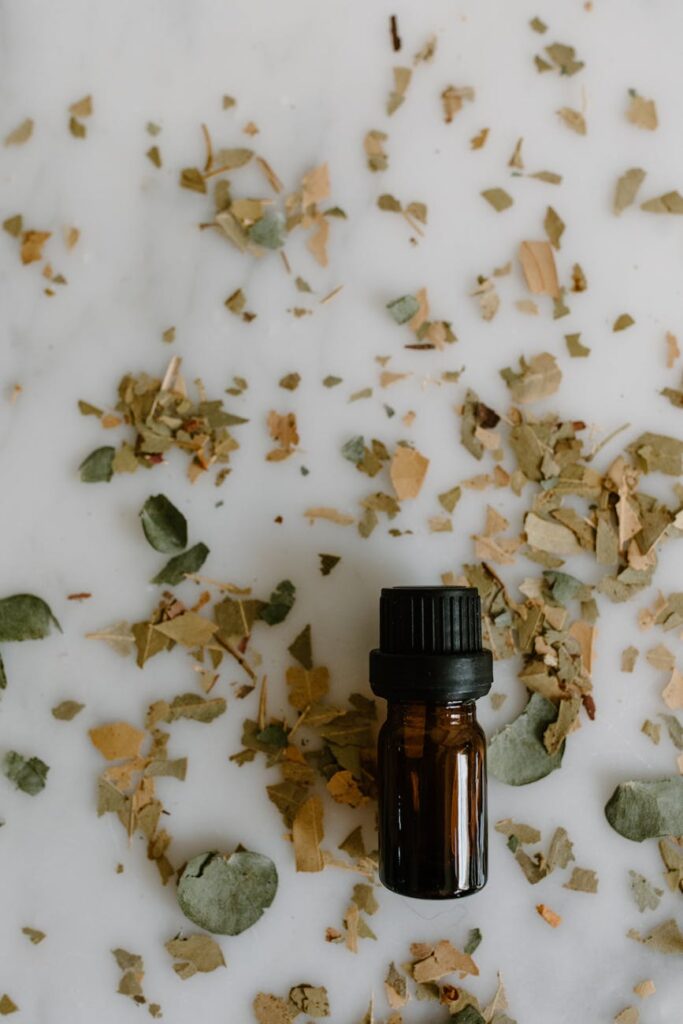
Health Benefits of DIY Aromatherapy Recipes for Digestive Support
Introduction
Aromatherapy has gained considerable recognition for its potential to enhance well-being through the use of essential oils. Among its various applications, digestive support is a significant area where aromatherapy can offer benefits. This article explores the concept of DIY aromatherapy recipes specifically crafted to support digestive health. We will delve into what these recipes entail, their key benefits, common uses, and safety considerations to ensure you can create your own beneficial blends safely and effectively.
What Is DIY Aromatherapy Recipes for Digestive Support?
DIY aromatherapy recipes for digestive support involve the use of essential oils—highly concentrated plant extracts—blended in specific ways to promote digestive health. These recipes typically combine essential oils known for their properties that may assist in alleviating digestive discomfort, enhancing digestion, or fostering a sense of overall well-being. By formulating these oils into various applications, individuals can create personalized blends tailored to their specific needs.
Key Benefits and Properties
Essential oils contain various chemical compounds that confer specific properties beneficial for digestive health. Some of the primary benefits include:
1. Antispasmodic Effects: Certain oils, such as peppermint and chamomile, are known for their ability to relax muscles in the gastrointestinal tract, potentially alleviating discomfort caused by spasms.
2. Carminative Properties: Oils like fennel and ginger may aid in reducing gas and bloating, promoting overall digestive comfort.
3. Stimulation of Digestive Enzymes: Some essential oils can stimulate the production of digestive enzymes, enhancing the digestive process. For instance, citrus oils like lemon and lime can invigorate digestion.
4. Anti-inflammatory Effects: Oils such as lavender and frankincense might help reduce inflammation in the digestive tract, contributing to better digestive health.
5. Stress Reduction: Aromatherapy, in general, is renowned for its ability to reduce anxiety and stress, which can have a direct impact on digestive health. Oils like bergamot and ylang-ylang are particularly noted for their calming effects.
Common Uses
DIY aromatherapy recipes for digestive support can be utilized in various ways. Here are some common applications:
1. Inhalation: Simple inhalation of essential oils can provide immediate relief. A few drops of an essential oil can be placed on a tissue or in a diffuser to promote a calming atmosphere.
2. Topical Application: Diluting essential oils in a carrier oil and applying them to the abdomen can target digestive discomfort directly. This method can be especially beneficial for easing muscle spasms and promoting relaxation.
3. Bath Blends: Incorporating essential oils into a warm bath can provide a soothing experience, allowing for the absorption of beneficial compounds through the skin while simultaneously promoting relaxation.
4. Massage Oils: Creating a massage blend with essential oils can not only help alleviate physical discomfort but also foster mental relaxation, which is essential for overall digestive health.
5. Ingestible Blends: While certain essential oils are safe for consumption in small amounts, it’s vital to consult with a qualified professional before ingesting any essential oil.
Aromatherapy Applications
When crafting DIY recipes for digestive support, the following essential oils are commonly used:
1. Peppermint Oil: Known for its antispasmodic and cooling effects, peppermint oil is often used to ease symptoms of indigestion and bloating.
2. Ginger Oil: Renowned for its ability to support digestion, ginger oil may help reduce nausea and promote overall digestive health.
3. Fennel Oil: Fennel oil is often used for its carminative properties, helping to alleviate gas and bloating.
4. Chamomile Oil: With its calming and soothing characteristics, chamomile oil can help ease digestive discomfort and promote relaxation.
5. Lemon Oil: This uplifting oil can stimulate digestive enzymes and is often used in blends for its fresh scent and invigorating properties.
Sample DIY Recipes
1. Digestive Relief Blend
- Ingredients: 3 drops peppermint oil, 3 drops ginger oil, 2 drops chamomile oil, 1 tablespoon carrier oil (such as sweet almond or jojoba).
- Application: Mix the oils and apply to the abdomen in a circular motion.
- Ingredients: 5 drops lavender oil, 4 drops chamomile oil, 4 drops lemon oil, 1 cup Epsom salt.
- Application: Add the mixture to a warm bath and soak for at least 20 minutes.
- Ingredients: 2 drops lemon oil, 2 drops ginger oil, 2 drops peppermint oil.
- Application: Add to a diffuser and enjoy the aroma for digestive support and relaxation.
- Store oils in dark glass bottles to protect them from light.
- Keep them in a cool, dark place, away from heat sources.
- Always ensure that bottles are tightly sealed after use to prevent oxidation.
2. Calming Bath Blend
3. Uplifting Diffuser Blend
Safety Considerations
While essential oils can be beneficial, it is essential to observe safety precautions:
1. Dilution: Always dilute essential oils with a carrier oil before topical application to prevent skin irritation.
2. Patch Test: Conduct a patch test on a small area of skin to check for any allergic reactions prior to wider use.
3. Quality of Oils: Use high-quality, pure essential oils from reputable sources. Adulterated oils may not provide the desired benefits and could pose health risks.
4. Pregnancy and Health Conditions: Certain essential oils may not be suitable for pregnant individuals or those with specific health conditions. Always consult with a qualified professional if unsure.
5. Storage: Proper storage of essential oils is crucial to maintain their effectiveness. Store oils in dark glass bottles away from direct sunlight and heat.
Storage and Shelf Life
The shelf life of essential oils varies, but most oils can last for several years when stored correctly. To prolong their lifespan:
As a general guideline, citrus oils may last about 1-2 years, while woody or resinous oils like cedarwood or frankincense can last up to 5 years or more.
Frequently Asked Questions
Can I use essential oils directly on my skin?
It is not recommended to apply essential oils directly to the skin without dilution. Always mix with a carrier oil to prevent skin irritation.
Are there any essential oils I should avoid for digestive support?
Certain oils, such as wintergreen and eucalyptus, may not be suitable for topical or internal use without professional guidance. Always research or consult a professional before use.
How often can I use DIY recipes for digestive support?
You can use these recipes as needed, but it’s advisable to listen to your body and avoid overuse. If symptoms persist, consult a qualified professional.
Can children use these recipes?
Yes, but caution is advised. Always dilute essential oils further for children and consult a healthcare provider to determine safe options.
Are DIY aromatherapy recipes a substitute for medical treatment?
No, while DIY aromatherapy can provide comfort and support, it should not replace professional medical care. Always seek guidance from a healthcare provider for persistent or severe digestive issues.
Conclusion
DIY aromatherapy recipes for digestive support offer an accessible and personalized way to harness the benefits of essential oils. By understanding the properties of various oils and their applications, individuals can create blends that promote digestive health and overall well-being. Remember to prioritize safety and quality when using essential oils, ensuring a positive and enriching experience with this holistic approach.