
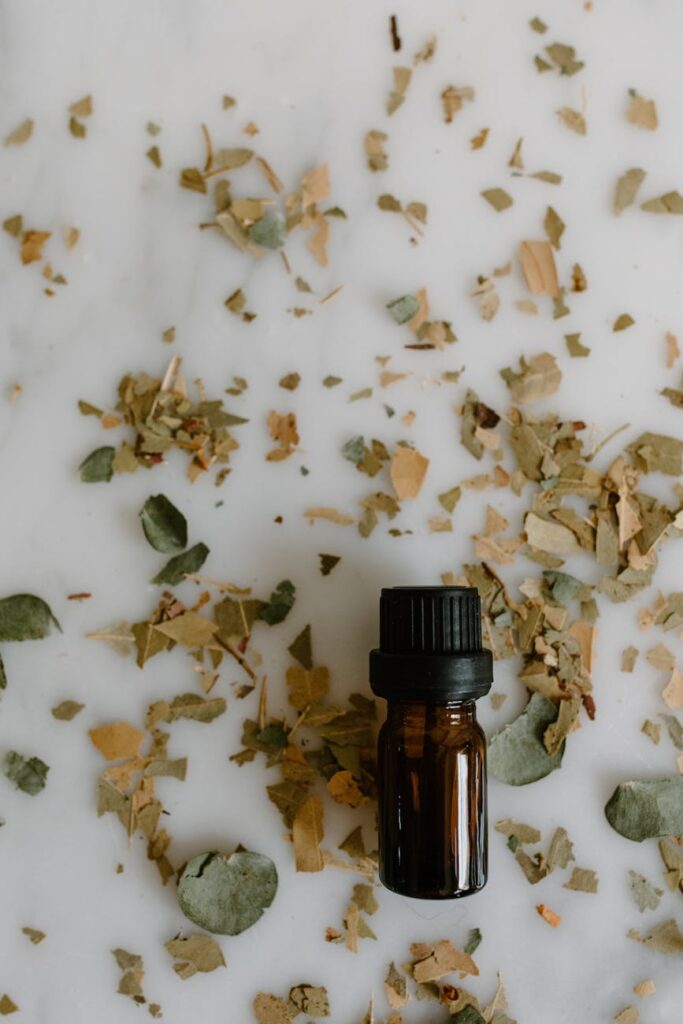
Health Benefits of DIY Aromatherapy Recipes for Energy Boosting
Introduction
In today’s fast-paced world, maintaining energy levels is essential for productivity and overall well-being. Aromatherapy, the practice of using essential oils for therapeutic benefits, has gained popularity as a natural method to invigorate the senses and enhance vitality. This article explores the benefits of DIY aromatherapy recipes specifically designed for energy boosting, discussing their properties, common uses, and safety considerations.
What Is DIY Aromatherapy Recipes for Energy Boosting?
DIY aromatherapy recipes for energy boosting involve the formulation of essential oil blends aimed at stimulating the mind and body. Essential oils are concentrated extracts obtained from various parts of plants, including leaves, flowers, roots, and bark. When properly blended and used, these oils can help elevate mood, combat fatigue, and promote mental clarity.
DIY recipes allow individuals to tailor blends to their personal preferences and specific energy needs. This customization can enhance the overall experience of using essential oils, making it a more engaging and effective practice.
Key Benefits and Properties
The energy-boosting properties of essential oils are rooted in their chemical composition. Here are some of the key benefits associated with popular energy-enhancing essential oils:
1. Citrus Oils
- Examples: Lemon, orange, grapefruit
- Benefits: Known for their uplifting scent, citrus oils can enhance mood and stimulate mental alertness. They may help alleviate feelings of stress and fatigue.
- Benefits: This oil has a refreshing aroma that can invigorate the mind and body. It is often used to enhance concentration and improve cognitive performance.
- Benefits: With its fresh, clean scent, eucalyptus oil can help clear mental fatigue and promote a sense of clarity and focus.
- Benefits: Rosemary is traditionally associated with enhancing memory and cognitive function. Its stimulating properties make it a popular choice for energy-boosting blends.
- Benefits: Often used to reduce anxiety, bergamot oil can also uplift mood and provide a sense of energy and vitality.
- Benefits: Ginger oil is known for its warming properties and can stimulate circulation, which may help combat feelings of sluggishness.
2. Peppermint Oil
3. Eucalyptus Oil
4. Rosemary Oil
5. Bergamot Oil
6. Ginger Oil
These oils can be combined in various ways to create unique blends tailored to individual preferences and needs.
Common Uses
DIY energy-boosting aromatherapy recipes can be utilized in various settings, including:
1. Workplace
Incorporating essential oils into the workplace can enhance productivity and focus. Diffusing energizing blends during work hours can help reduce fatigue and maintain mental clarity.
2. Home Environment
Using these recipes at home can create a lively atmosphere, especially during gatherings or when engaging in creative activities.
3. During Exercise
Aromatherapy can enhance physical performance. Inhaling invigorating scents before or during exercise may help increase stamina and motivation.
4. Travel
Essential oils can serve as natural pick-me-ups during long journeys, helping to alleviate feelings of tiredness and drowsiness.
Aromatherapy Applications
There are several methods for applying essential oils to experience their energy-boosting benefits:
1. Diffusion
Using an essential oil diffuser is one of the most popular methods. Simply add water and a few drops of your chosen energy-boosting essential oils to the diffuser. The aroma will fill the room, creating an uplifting and invigorating atmosphere.
2. Topical Application
For a more direct approach, essential oils can be blended with a carrier oil and applied to pulse points, such as wrists and temples. This method allows for a more personalized experience, as the scent is in closer proximity to the user.
3. Inhalation
Simply inhaling the aroma of essential oils directly from the bottle or using an inhaler stick can provide an instant energy boost. This method is particularly effective when you need a quick pick-me-up.
4. Bathing
Adding essential oils to a warm bath can create a refreshing and energizing experience. Mix a few drops of essential oils with a carrier oil or bath salt before adding them to the water.
5. Room Sprays
Creating a room spray with essential oils can instantly refresh your space and uplift your mood. Combine essential oils with distilled water in a spray bottle for a quick energy boost.
Safety Considerations
While essential oils are generally considered safe when used correctly, it is essential to take certain precautions:
1. Dilution
Always dilute essential oils with a carrier oil before applying them to the skin. This reduces the risk of irritation or allergic reactions.
2. Patch Test
Conduct a patch test on a small area of skin before using a new essential oil blend topically. This helps to identify any potential sensitivities.
3. Quality of Oils
Select high-quality, pure essential oils from reputable sources. Adulterated or synthetic oils may not provide the desired benefits and could cause adverse effects.
4. Pregnancy and Nursing
Consult a healthcare professional before using essential oils during pregnancy or while nursing, as some oils may not be safe during these periods.
5. Children and Pets
Certain essential oils are not suitable for children or pets. Research specific oils to confirm their safety for use around these populations.
Storage and Shelf Life
Proper storage of essential oils is crucial for maintaining their efficacy and longevity. Follow these guidelines:
1. Containers
Store essential oils in dark glass bottles to protect them from light and degradation. Avoid plastic containers, as they may interact with the oils.
2. Temperature
Keep essential oils in a cool, dry place, away from direct sunlight and heat sources. High temperatures can alter their chemical composition and effectiveness.
3. Shelf Life
The shelf life of essential oils varies by type. Generally, citrus oils have a shorter shelf life (1-2 years), while oils like sandalwood and patchouli can last for several years if stored properly. Regularly check for changes in scent or color, as these may indicate that the oil has gone bad.
Frequently Asked Questions
1. Can I mix different essential oils for a custom blend?
Yes, mixing different essential oils is encouraged. Experimenting with various combinations can lead to unique and effective blends tailored to your energy-boosting needs.
2. How many drops of essential oil should I use in a diffuser?
Typically, 3-5 drops of essential oil per 100 ml of water is a good starting point, but you may adjust this based on personal preference and the strength of the oil.
3. Is it safe to use essential oils while pregnant?
Some essential oils are not recommended during pregnancy. Consult a healthcare professional for guidance on which oils are safe to use.
4. How often can I use aromatherapy for energy boosting?
Aromatherapy can be used as often as needed. However, it is advisable to take breaks and not rely on it as a sole method for increasing energy.
5. Do essential oils lose potency over time?
Yes, essential oils can lose potency over time, especially if not stored correctly. Be sure to check the expiration dates and store them properly to maximize their shelf life.
Conclusion
DIY aromatherapy recipes for energy boosting offer a natural and customizable approach to enhancing vitality and mental clarity. By understanding the properties and applications of various essential oils, individuals can create blends that suit their unique needs. As with any wellness practice, it is essential to prioritize safety and proper usage to fully enjoy the benefits that aromatherapy can provide. Embrace the art of aromatherapy and discover the invigorating power of essential oils in your daily life.