
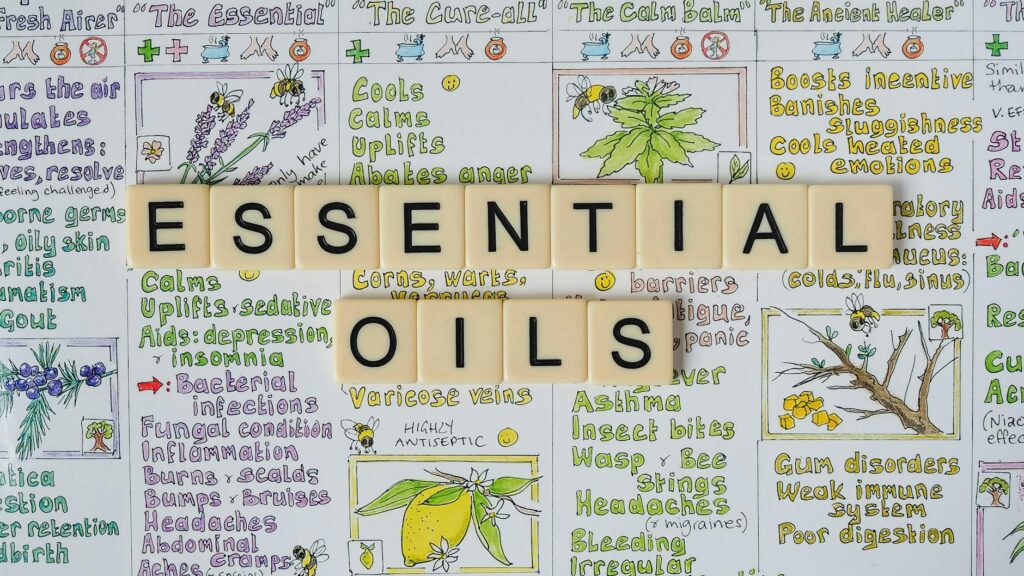
Health Benefits of DIY Aromatherapy Recipes for Meditation and Mindfulness
Introduction
Aromatherapy, the practice of using essential oils for therapeutic benefits, has gained popularity for its potential to enhance well-being and promote relaxation. Among its many applications, DIY aromatherapy recipes for meditation and mindfulness have emerged as a powerful way to cultivate a deeper sense of peace and focus. This article explores the fundamentals of creating your own aromatherapy blends, their benefits, common uses, and safety considerations.
What Is DIY Aromatherapy Recipes for Meditation and Mindfulness?
DIY aromatherapy recipes involve the blending of essential oils to create customized scents that can enhance meditation and mindfulness practices. These recipes often combine various essential oils known for their calming, uplifting, or centering properties. The process of crafting these blends allows individuals to tailor scents to their personal preferences, fostering a more meaningful and effective experience during meditation or mindfulness exercises.
Meditation often involves quieting the mind and enhancing the awareness of the present moment, while mindfulness emphasizes being fully engaged in the here and now. Incorporating aromatherapy into these practices can amplify their effects, creating a multi-sensory experience that supports emotional balance and mental clarity.
Key Benefits and Properties
The use of essential oils in aromatherapy can yield numerous benefits for mental and emotional well-being. Some key properties of commonly used essential oils include:
1. Calming and Relaxation: Oils such as lavender, chamomile, and cedarwood are renowned for their calming properties. They can help reduce feelings of anxiety and promote relaxation, making them ideal for meditation.
2. Focus and Clarity: Essential oils like peppermint and rosemary are known to enhance concentration and mental clarity. These oils can be beneficial for mindfulness practices that require heightened awareness.
3. Mood Enhancement: Citrus oils, such as bergamot and sweet orange, are often used to uplift the spirit and promote positive emotions. Their invigorating scents can help combat feelings of sadness or lethargy.
4. Grounding and Centering: Oils like vetiver and frankincense are known for their grounding properties, providing a sense of stability and connection to the earth. These oils can help deepen the meditative experience by fostering a sense of presence.
5. Spiritual Connection: Certain oils, such as sandalwood and myrrh, have been used for centuries in spiritual practices. Their rich, earthy scents can enhance spiritual awareness and connection during meditation.
Common Uses
DIY aromatherapy recipes can be incorporated into various aspects of meditation and mindfulness practices:
1. Meditation Rooms: Diffusing essential oils in a designated meditation space can create a calming atmosphere conducive to deep introspection.
2. Personal Inhalers: Crafting portable inhalers allows individuals to carry their favorite scents with them, providing a quick way to center themselves during stressful moments.
3. Massage Blends: Combining essential oils with a carrier oil can create a soothing massage blend that promotes relaxation during self-massage or partner massage.
4. Bathing Rituals: Adding essential oils to a warm bath can create a serene environment, facilitating a meditative state while bathing.
5. Meditative Tools: Incorporating essential oils into candles, incense, or prayer beads can enhance their effectiveness during meditation sessions.
Aromatherapy Applications
The application of essential oils in meditation and mindfulness can take various forms. Below are some popular methods:
1. Diffusion: Essential oils can be diffused into the air using a diffuser, allowing the scents to fill the space. This method is particularly effective for creating a calming environment.
2. Topical Application: When diluted with a carrier oil, essential oils can be applied to pulse points, such as wrists and temples, to facilitate personal inhalation and absorption.
3. Inhalation: Simply inhaling the scent of essential oils directly from the bottle or using an inhaler can provide immediate benefits, making it a convenient option for on-the-go mindfulness.
4. Bathing: Adding essential oils to bathwater can enhance relaxation and promote a meditative state. It’s essential to mix oils with a dispersant (like milk or a bath gel) to prevent skin irritation.
5. Sprays: Creating an aromatherapy spray by mixing essential oils with water can provide a refreshing mist that can be used in personal spaces or on linens.
Safety Considerations
While the benefits of aromatherapy are numerous, safety is paramount. Here are some important considerations:
1. Dilution: Essential oils are highly concentrated and should always be diluted with a carrier oil before topical application to avoid skin irritation.
2. Patch Test: Conducting a patch test prior to using a new essential oil is advisable to check for any allergic reactions or sensitivities.
3. Quality of Oils: Always choose high-quality, pure essential oils from reputable suppliers to ensure safety and efficacy.
4. Contraindications: Certain essential oils may not be suitable for specific populations, including pregnant individuals, children, or those with certain medical conditions. It is essential to research individual oils and their contraindications.
5. Storage: Proper storage of essential oils is crucial to maintain their potency and effectiveness.
Storage and Shelf Life
Essential oils should be stored in dark glass bottles to protect them from light and heat, which can degrade their quality. Keeping them in a cool, dry place will further extend their shelf life. Most essential oils have a shelf life of 1 to 3 years, although some oils, like sandalwood, can last longer. Always check for any changes in scent or consistency before use, as these may indicate that the oil has expired.
Frequently Asked Questions
What are the best essential oils for meditation and mindfulness?
Popular choices include lavender for relaxation, frankincense for grounding, and citrus oils like bergamot for uplifting the mood.
How can I create my own aromatherapy blend?
Start with a base oil, such as jojoba or sweet almond oil, and add a few drops of your selected essential oils. Experiment with different ratios to find a blend that resonates with you.
How do I use essential oils during meditation?
You can diffuse oils in your meditation space, apply them to pulse points, or create a personal inhaler to use while meditating.
Can aromatherapy replace professional mental health treatment?
Aromatherapy is a complementary practice and should not be considered a substitute for professional mental health treatment. Always consult with a healthcare provider for mental health concerns.
How often can I use essential oils?
You can use essential oils daily, but it is important to practice moderation and listen to your body’s responses. If irritation occurs, discontinue use.
Conclusion
DIY aromatherapy recipes for meditation and mindfulness offer an accessible and customizable approach to enhancing mental and emotional well-being. By understanding the benefits, properties, and applications of essential oils, individuals can create personalized experiences that support their meditation and mindfulness practices. As always, prioritizing safety and quality will ensure the best results in this enriching journey towards greater self-awareness and tranquility.