
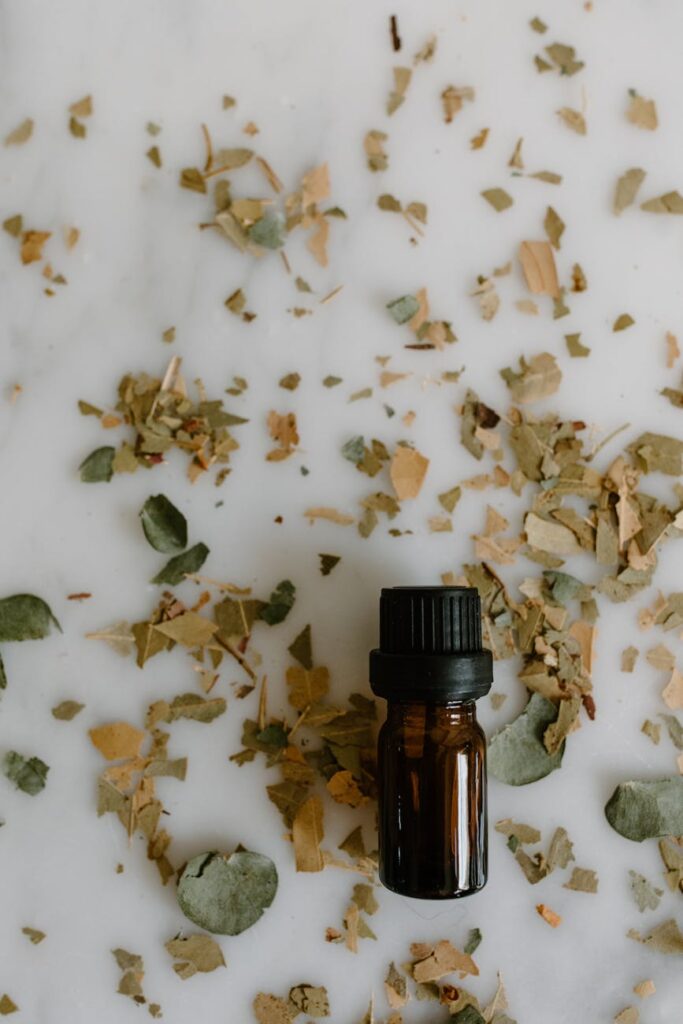
Health Benefits of DIY Aromatherapy Recipes for Mood Upliftment
Introduction
Aromatherapy, a holistic healing practice that utilizes the natural fragrances of essential oils, has garnered increasing interest in recent years. Among its many applications, the use of DIY aromatherapy recipes for mood upliftment stands out as a popular and accessible option for individuals seeking to enhance their emotional well-being. This article explores the essence of DIY aromatherapy recipes, their benefits, common uses, applications, safety considerations, and storage practices.
What Is DIY Aromatherapy Recipes for Mood Upliftment?
DIY aromatherapy recipes involve the blending of essential oils to create customized mixtures that can positively influence mood and emotional states. By harnessing the power of aromatic compounds found in plants, individuals can create their own blends tailored to their specific needs and preferences. These recipes can be used in various settings, including personal care routines, home environments, and therapeutic practices.
Key Benefits and Properties
The health benefits of DIY aromatherapy recipes for mood upliftment can be attributed to the unique properties of essential oils. The following are key benefits associated with mood-enhancing essential oils:
1. Stress Reduction: Many essential oils possess calming properties that can help alleviate feelings of stress and anxiety. Oils such as lavender and bergamot are often used for their soothing effects.
2. Emotional Balance: Essential oils can support emotional equilibrium, assisting in the management of mood swings and promoting feelings of stability. Oils like ylang-ylang and frankincense are celebrated for their ability to promote emotional clarity.
3. Increased Energy: Certain essential oils, such as citrus oils, are invigorating and can help boost energy levels, enhancing alertness and motivation. Oils like lemon and peppermint are popular choices for this purpose.
4. Improved Sleep Quality: Some essential oils may aid in promoting better sleep, which is crucial for overall emotional health. Oils like chamomile and sandalwood are often used to create calming bedtime rituals.
5. Enhanced Creativity and Focus: Specific blends can stimulate creativity and concentration, making them useful for individuals engaged in creative endeavors or needing mental clarity. Oils such as rosemary and basil are known for their cognitive-enhancing properties.
Common Uses
DIY aromatherapy recipes for mood upliftment can be employed in various ways, making them versatile tools for enhancing emotional well-being. Some common uses include:
- Diffusion: Essential oil diffusers can disperse aromatic compounds into the air, creating an uplifting ambiance in homes or workspaces. Diffusion is one of the simplest and most effective methods of experiencing the benefits of aromatherapy.
- Topical Application: Diluting essential oils with carrier oils allows for direct application to the skin. This method can be beneficial for localized stress relief, particularly when massaged onto pulse points or areas of tension.
- Bathing: Adding essential oils to bathwater can create a rejuvenating and calming experience. This practice not only envelops the individual in soothing aromas but also allows for relaxation through warm water immersion.
- Inhalation: Direct inhalation of essential oils can provide immediate mood-enhancing effects. Placing a few drops on a tissue or using an inhaler can facilitate quick access to the uplifting properties of the oils.
- Massage: Incorporating essential oils into massage oils can enhance the benefits of touch therapy, promoting relaxation and emotional release during the massage experience.
- 5 drops of sweet orange essential oil
- 3 drops of lemon essential oil
- 2 drops of grapefruit essential oil
- 4 drops of lavender essential oil
- 3 drops of bergamot essential oil
- 2 drops of frankincense essential oil
- 4 drops of peppermint essential oil
- 3 drops of rosemary essential oil
- 2 drops of eucalyptus essential oil
- 3 drops of cedarwood essential oil
- 2 drops of sandalwood essential oil
- 2 drops of vetiver essential oil
- Dilution: Always dilute essential oils with a carrier oil before applying them to the skin to minimize the risk of irritation or allergic reactions.
- Patch Test: Conduct a patch test on a small area of skin before using a new essential oil blend to ensure there are no adverse reactions.
- Age Considerations: Some essential oils may not be suitable for children, pregnant women, or individuals with specific health conditions. It is advisable to research and consult reputable sources before using any new oils.
- Quality of Oils: Use high-quality, pure essential oils from trusted suppliers to ensure safety and efficacy.
- Avoid Ingestion: Essential oils should not be ingested unless under the guidance of a qualified professional.
- Cool, Dark Place: Store essential oils in a cool, dark area away from direct sunlight and heat sources to prevent degradation.
- Amber or Cobalt Bottles: Use dark-colored glass containers to protect oils from light exposure.
- Tight Sealing: Ensure that bottles are tightly sealed to prevent evaporation and contamination.
- Shelf Life: Most essential oils have a shelf life of 1 to 3 years, depending on the type. Citrus oils tend to have a shorter shelf life compared to oils like patchouli or sandalwood.
Aromatherapy Applications
Creating your own DIY aromatherapy recipes can be an enjoyable and fulfilling process. Here are some popular blends that can help uplift mood:
1. Citrus Bliss Blend
Ingredients:
Application: Diffuse in the morning to promote energy and positivity.
2. Calming Lavender Blend
Ingredients:
Application: Apply diluted in a carrier oil on pulse points or diffuse before bedtime for relaxation.
3. Invigorating Mint Blend
Ingredients:
Application: Inhale directly from the bottle or diffuse to enhance focus and alertness.
4. Grounding Woodsy Blend
Ingredients:
Application: Use in a diffuser during meditation or yoga for a grounding experience.
Safety Considerations
While DIY aromatherapy offers numerous benefits, it is essential to be mindful of safety precautions:
Storage and Shelf Life
Proper storage of essential oils is critical to maintaining their potency and effectiveness. Here are some guidelines:
Frequently Asked Questions
1. Can I use essential oils if I have allergies?
While some individuals with allergies may benefit from certain essential oils, it is crucial to consult with a healthcare professional if you have known sensitivities. Always perform a patch test before use.
2. How often can I use DIY aromatherapy recipes?
The frequency of use depends on individual preferences and the specific oils used. As a general guideline, using aromatherapy blends a few times daily can be beneficial, but personal tolerance should be considered.
3. Are there specific essential oils to avoid during pregnancy?
Certain essential oils, such as rosemary and clary sage, are often advised to be avoided during pregnancy. It is important to consult a healthcare professional or a certified aromatherapist for guidance tailored to your situation.
4. Can essential oils interact with medications?
Some essential oils may interact with medications, particularly those affecting the central nervous system. It is advisable to consult a healthcare professional if you are taking any medications.
5. Are there any specific recipes for anxiety relief?
Yes, blends containing oils such as lavender, chamomile, and bergamot are popular for promoting relaxation and alleviating anxiety. However, individual responses can vary, so it’s essential to find what works best for you.
Conclusion
DIY aromatherapy recipes for mood upliftment offer an accessible and enjoyable way to enhance emotional well-being. By harnessing the fragrant properties of essential oils, individuals can create personalized blends that cater to their unique needs. Understanding the key benefits, common applications, and safety considerations associated with aromatherapy empowers individuals to utilize these natural remedies effectively. Whether through diffusion, topical application, or inhalation, the world of DIY aromatherapy presents a wealth of possibilities for those seeking to uplift their mood and enrich their lives.