
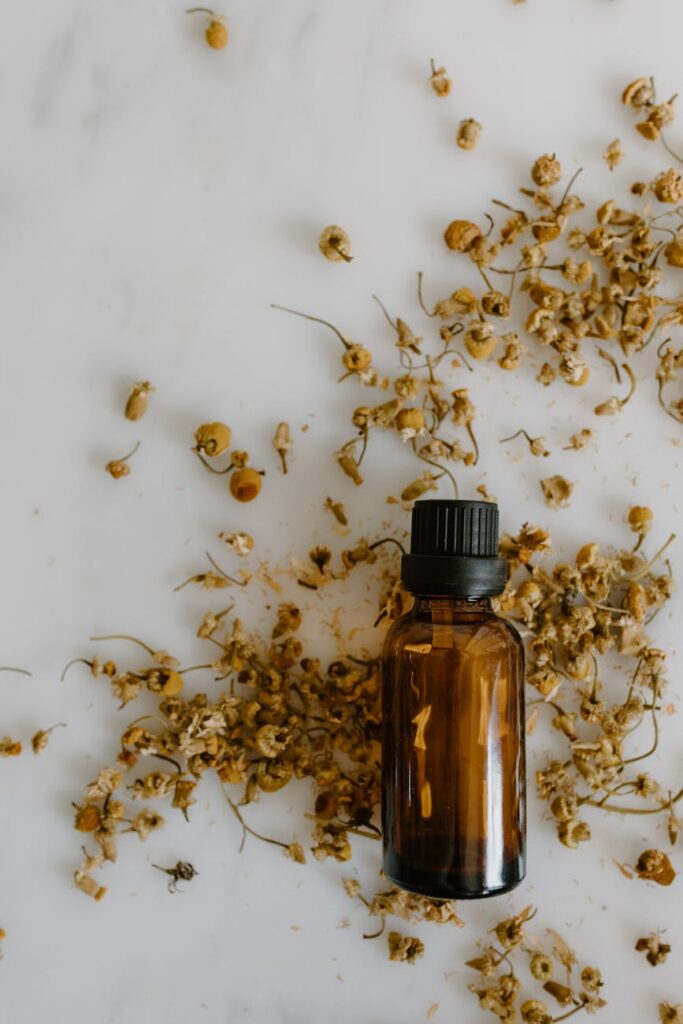
Health Benefits of DIY Aromatherapy Recipes for Relaxation with Chamomile and Ylang Ylang Oils
Introduction
Aromatherapy, the use of essential oils for therapeutic purposes, has gained popularity as a natural approach to promoting relaxation and well-being. Among the myriad of essential oils available, chamomile and ylang ylang stand out for their calming properties. This article will explore the benefits of incorporating these oils into DIY aromatherapy recipes specifically designed for relaxation.
What Is DIY Aromatherapy Recipes for Relaxation with Chamomile and Ylang Ylang Oils?
DIY aromatherapy recipes involve creating personalized blends of essential oils that cater to individual preferences and therapeutic needs. Chamomile oil, extracted from the flowers of the Matricaria chamomilla plant, is renowned for its soothing effects. Ylang ylang oil, derived from the flowers of the Cananga odorata tree, is celebrated for its sweet, floral aroma and mood-enhancing properties. Together, these oils create a harmonious blend that promotes relaxation and emotional balance.
Chamomile Oil
Chamomile oil is often used to alleviate stress and anxiety. It is characterized by its gentle, floral scent and is believed to help ease tension, making it a popular choice in relaxation recipes.
Ylang Ylang Oil
Ylang ylang oil has a rich, exotic fragrance that can uplift the mood while simultaneously promoting a sense of calm. Its balancing effects on emotions make it a valuable addition to any relaxation-focused essential oil blend.
Key Benefits and Properties
Both chamomile and ylang ylang oils possess unique properties that contribute to their effectiveness in promoting relaxation:
Chamomile Oil Benefits
1. Anxiolytic Effects: Chamomile is often associated with a reduction in anxiety and stress levels.
2. Sleep Aid: The calming nature of chamomile oil can potentially help improve sleep quality.
3. Anti-inflammatory Properties: Chamomile may help reduce inflammation, contributing to overall physical comfort.
Ylang Ylang Oil Benefits
1. Mood Enhancement: Ylang ylang is known for its ability to uplift mood and reduce feelings of sadness.
2. Hormonal Balance: Some studies suggest that ylang ylang may help balance hormones, which can be beneficial in times of emotional distress.
3. Relaxation: Its soothing fragrance can lower heart rate and promote a sense of tranquility.
Common Uses
Chamomile and ylang ylang oils can be utilized in various ways to enhance relaxation:
- Diffusion: Adding a few drops of each oil to a diffuser can create a serene atmosphere.
- Massage: Blending these oils with a carrier oil for a soothing massage can help alleviate tension in the body.
- Bath: Incorporating these oils into a warm bath can enhance the calming experience.
- Inhalation: Direct inhalation of the oils can provide immediate relief from stress.
- 5 drops chamomile oil
- 5 drops ylang ylang oil
- 2 tablespoons carrier oil (such as jojoba or sweet almond oil)
- 3 drops chamomile oil
- 3 drops ylang ylang oil
- 1 cup Epsom salt
- 10 drops chamomile oil
- 10 drops ylang ylang oil
- 2 ounces distilled water
- 1 ounce witch hazel or vodka
- Patch Test: Always conduct a patch test before using a new essential oil to check for allergic reactions.
- Dilution: Essential oils should be diluted with a carrier oil before applying to the skin to prevent irritation.
- Pregnancy and Nursing: Pregnant or nursing individuals should consult a healthcare provider before using essential oils.
- Children: Use caution when applying essential oils around children and consult a healthcare professional for age-appropriate guidelines.
- Dark Glass Containers: Store oils in dark glass bottles to protect them from light degradation.
- Cool, Dry Place: Keep oils in a cool, dry area away from direct sunlight and heat sources.
- Shelf Life: Chamomile oil typically has a shelf life of 1-2 years, while ylang ylang oil lasts about 5 years when stored properly.
Aromatherapy Applications
Creating DIY aromatherapy recipes with chamomile and ylang ylang oils allows for versatile applications. Here are some popular recipes:
Relaxation Blend
Ingredients:
Instructions:
1. Combine the oils in a small glass bottle.
2. Shake gently to mix.
3. Use as a massage oil or apply to pulse points for an immediate calming effect.
Calming Bath Soak
Ingredients:
Instructions:
1. Mix the essential oils with Epsom salt in a bowl.
2. Add the mixture to a warm bath.
3. Soak for at least 20 minutes for maximum relaxation benefits.
Sleep Aid Pillow Spray
Ingredients:
Instructions:
1. Combine all ingredients in a spray bottle.
2. Shake well before each use.
3. Lightly mist your pillow and bedding before sleep.
Safety Considerations
While chamomile and ylang ylang are generally regarded as safe, it is essential to observe certain precautions:
Storage and Shelf Life
To ensure the longevity of your essential oils, follow these storage guidelines:
Frequently Asked Questions
Can I use chamomile and ylang ylang oils together in a diffuser?
Yes, combining chamomile and ylang ylang oils in a diffuser creates a relaxing atmosphere that can help alleviate stress and promote tranquility.
Are there any contraindications for using these oils?
While chamomile and ylang ylang oils are generally safe, individuals with allergies to plants in the Asteraceae family (like chamomile) or those on certain medications should consult a healthcare provider before use.
How often can I use these oils for relaxation?
There is no strict guideline for usage frequency, but it is advisable to listen to your body and use the oils as needed.
Can I use these oils in cooking or food?
Essential oils are highly concentrated and not typically intended for culinary use. Always consult an expert before ingesting any essential oils.
What is the best way to experience the benefits of chamomile and ylang ylang oils?
The best way to experience their benefits is through a combination of methods: diffusion, topical application, and inhalation. Experiment to find which method works best for you.
Conclusion
Incorporating chamomile and ylang ylang oils into DIY aromatherapy recipes offers a natural pathway to relaxation. By understanding their benefits, uses, and safety considerations, individuals can create personalized blends that enhance emotional well-being and promote tranquility. As with any holistic practice, it is essential to approach aromatherapy with mindfulness, ensuring that these natural remedies serve as complementary tools for a balanced lifestyle.